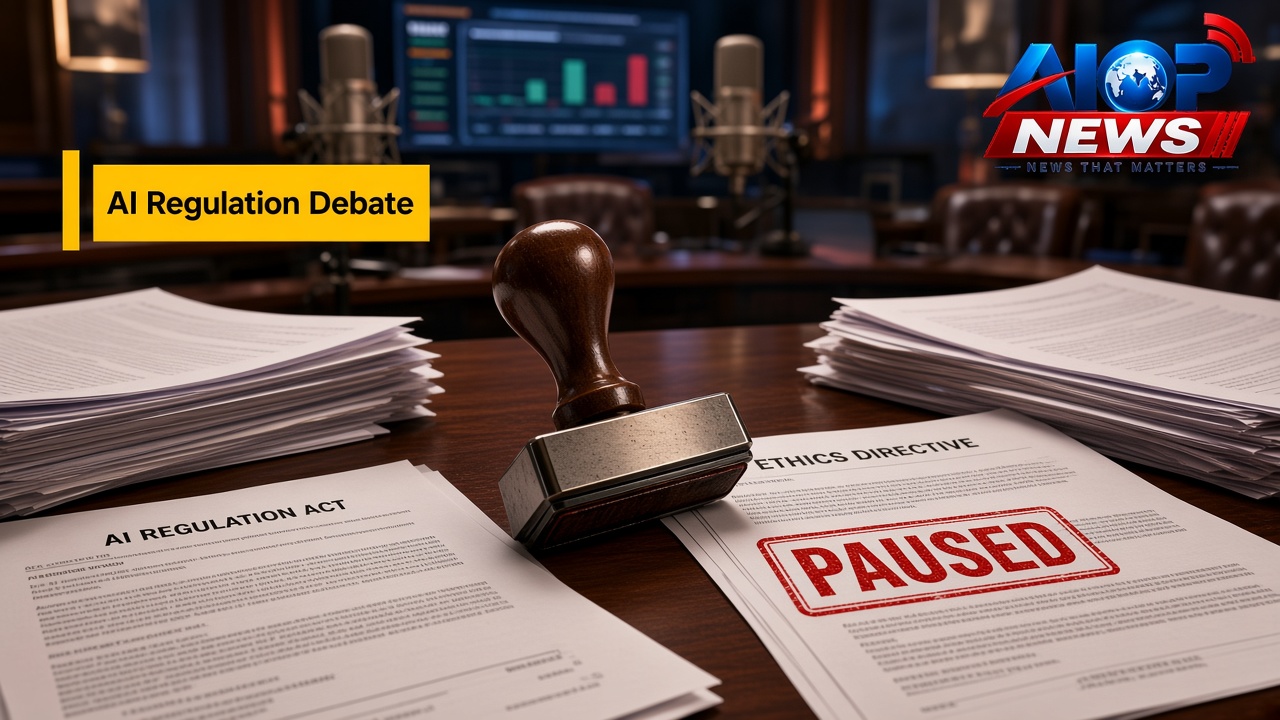
Andrew Bailey Warns Against Rushing Artificial Intelligence Regulation
As the rapid adoption of artificial intelligence (AI) continues to transform industries worldwide, policymakers are grappling with how best to govern the technology. Recently, Bank of England Governor Andrew Bailey weighed in on the debate, asserting that jumping straight into strict AI regulation is "not the right place to start."
Speaking on the evolving landscape of digital innovation, Bailey emphasized the importance of understanding the technology's implications before imposing rigid legal frameworks. This perspective adds a significant voice to the ongoing global discourse balancing technological advancement against systemic risk.
Navigating Technological Risks in Finance
The financial sector has increasingly integrated machine learning and automated decision-making tools to enhance efficiency, fraud detection, and customer service. However, these advancements also introduce complex challenges, including algorithmic bias, cybersecurity vulnerabilities, and operational resilience.
Despite these risks, Bailey suggests that existing regulatory frameworks may already cover many of the potential pitfalls associated with AI implementation. According to insights reported by the BBC, regulators should focus on outcome-based supervision rather than prematurely legislating the technology itself. For more developments in the digital landscape, visit our Technology section.
Balancing Innovation and Safety in the Tech Sector
The debate over how to govern emerging technologies divides policymakers and industry experts alike. Proponents of early regulation argue that proactive guardrails are essential to protect consumers and prevent market manipulation. Conversely, tech industry leaders often warn that burdensome compliance costs could hinder competitiveness and innovation, particularly for smaller startups.
- Risk-Based Approach: Focusing on high-impact use cases rather than blanket rules.
- Existing Frameworks: Leveraging current financial and data protection laws.
- Industry Collaboration: Engaging with developers to understand capability limits.
Bailey's remarks highlight a pragmatic path forward, urging regulators to maintain a flexible stance as the technology matures. By prioritizing dialogue and adaptability, policymakers hope to harness the economic benefits of AI while safeguarding financial stability.
Conclusion
Andrew Bailey's cautious stance on artificial intelligence regulation underscores the delicate balance required in modern governance. As the intersection of finance and technology deepens, the approach taken by central banks and regulatory bodies will play a pivotal role in shaping the future of global innovation. Stakeholders will continue watching closely to see how these policy discussions translate into actionable oversight.