Avanti West Coast Services to be Nationalised from March
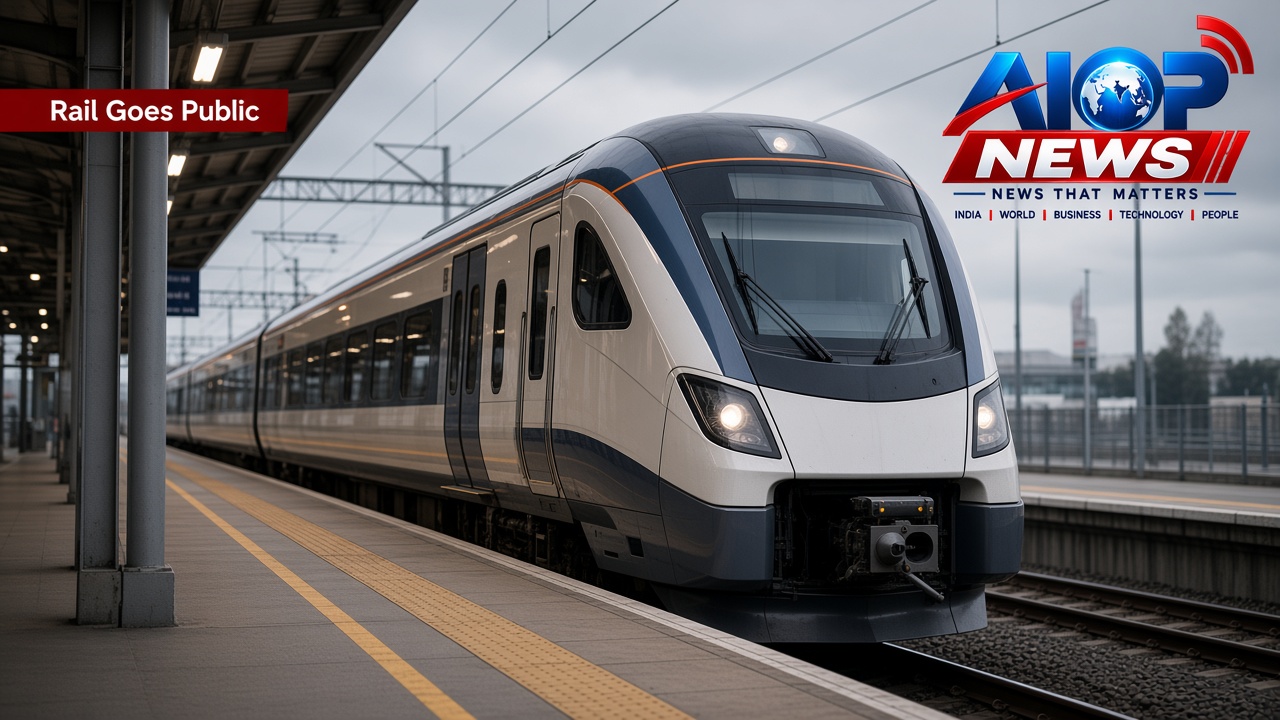
In a major development for the UK transport sector, Avanti West Coast services are officially scheduled to be brought into public ownership starting this March. The decision marks a critical turning point for the rail operator, which has faced intense scrutiny over its performance, scheduling, and passenger services in recent years. As the government continues to reshape the nation's rail infrastructure, this transition highlights a broader trend toward state-run public transport.
According to reports originating from the BBC News, the move will see the Department for Transport assume direct operational control. Industry analysts are closely monitoring the financial and operational implications of this corporate restructuring, which touches upon key debates within Business circles regarding private versus public management of critical national infrastructure.
What the Takeover Means for Passengers
For everyday commuters and long-distance travellers who rely on the West Coast Main Line connecting London, the West Midlands, North West England, and Scotland, the transition brings promises of greater accountability. Past months have seen frequent criticism regarding timetable reductions and cancellations, prompting regulatory intervention.
Under public ownership, the Department for Transport aims to streamline operations and improve reliability. While day-to-day branding may remain familiar to passengers in the short term, the underlying corporate structure will shift entirely to an Operator of Last Resort model. This ensures that profit motives take a backseat to service delivery and network efficiency.
Economic and Corporate Impact on the Rail Sector
The decision to nationalise Avanti West Coast is not happening in a vacuum. It reflects a wider evolution in UK transport economics, where the traditional franchise model is increasingly giving way to management contracts and direct state oversight. Investors and transport executives are reassessing risk portfolios as government intervention becomes more prevalent across the rail network.
Financial experts suggest that while private sector innovation has historically driven technological advancements in ticketing and fleet upgrades, persistent operational bottlenecks have forced policymakers to re-evaluate how rail services are managed. The coming months will be crucial in determining whether public stewardship can successfully resolve the systemic challenges that have plagued the route.
Looking Ahead: The Future of UK Rail Governance
As March approaches, all eyes will be on the Department for Transport and the incoming management team to see how smoothly the handover is executed. Ensuring continuity for passengers while implementing long-term structural reforms will be the primary objective.
Conclusion
The upcoming nationalisation of Avanti West Coast represents a watershed moment for the UK rail industry and corporate policy alike. By bringing this vital arterial route back into public hands, the government aims to restore passenger confidence and establish a more stable operational framework. Stakeholders across the Business landscape will be watching closely to see if this public ownership model sets a definitive precedent for the future of British transportation.