The Missing Link in the Science of Reading
As schools across the nation pivot toward the "Science of Reading," much of the public conversation has centered on phonics and the mechanics of decoding. However, a growing chorus of literacy experts is raising a vital concern: we must not forget the power of oral language. While teaching children to sound out words is essential, the ability to understand those words depends heavily on the linguistic foundation built through speaking and listening.
According to recent reports, including insights from Education Week, oral language serves as the primary engine for long-term reading comprehension. Without a robust oral vocabulary and an understanding of complex sentence structures, students may become proficient decoders who can read a page aloud but fail to grasp the meaning of the text.
Understanding the Oral-to-Literacy Connection
Oral language is often described as the "bedrock" of literacy. It encompasses a wide range of skills, including vocabulary knowledge, grammatical processing, and the ability to follow a narrative. In the field of Education, researchers emphasize that children who enter school with strong verbal skills have a significant head start in reading development.
The Role of Vocabulary and Syntax
When a child encounters a new word in a book, their ability to recognize it is vastly improved if that word is already part of their oral vocabulary. If a student has heard the word "enormous" used in conversation, they can more easily map the printed letters to a known concept. Conversely, if the word is entirely foreign to their ears, the cognitive load of both decoding and defining the word can lead to frustration.
Furthermore, syntax—the way words are put together to form sentences—is learned first through listening. Exposure to sophisticated speech patterns helps students anticipate the structure of written language, making the transition to complex texts smoother in later grades.
Classroom Strategies for Oral Language Development
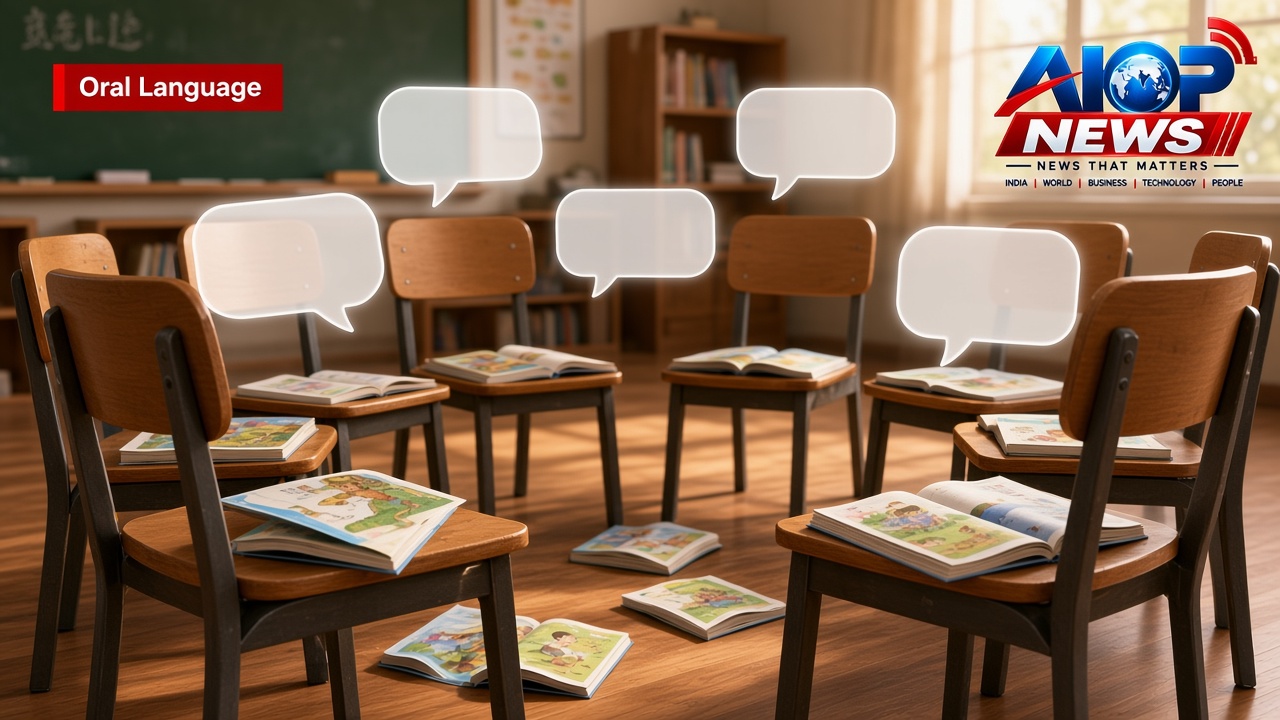
Educators are now looking for ways to integrate more oral engagement into the daily curriculum. Experts suggest that literacy instruction should not be a silent activity. Instead, classrooms should be "noisy" in a productive, structured way.
Accountable Talk and Group Discussion
One effective strategy is "accountable talk," where students are encouraged to build on one another's ideas during class discussions. By requiring students to use complete sentences and specific academic language, teachers help them internalize the formal structures of English. Collaborative learning environments allow students to practice explaining their thought processes, which directly mirrors the analytical skills needed for reading comprehension.
Storytelling and Read-Alouds
Interactive read-alouds remain one of the most powerful tools in an educator's arsenal. When a teacher stops to discuss a character's motives or predict a plot twist, they are modeling the internal monologue of a skilled reader. This practice helps bridge the gap between spoken language and the more formal language found in books.
Why Early Intervention Matters
The gap in oral language exposure often begins long before a child reaches the classroom. Students from language-rich environments may hear millions more words than their peers by age four. To combat this, early childhood education programs are prioritizing "serve and return" interactions—back-and-forth exchanges between adults and children that build neural pathways for language processing.
Reading experts argue that intervention should not wait until a child struggles with a standardized test. By screening for oral language delays in kindergarten and first grade, schools can provide targeted support that prevents future reading difficulties.
Summary: A Balanced Approach to Literacy
In conclusion, while the emphasis on phonemic awareness and phonics is a necessary correction in literacy instruction, it is only half of the equation. To create truly proficient readers, educators must prioritize oral language development with equal vigor. By fostering environments where students are encouraged to talk, debate, and listen, we ensure that they possess the linguistic tools necessary to unlock the full meaning of the printed word. The message from experts is clear: if we want children to be better readers, we must first help them become better speakers.