The Shifting Tide of Technology in the Classroom
For years, the battle over cellphones in schools has been framed as a conflict between administrators and a generation of students who view their devices as essential extensions of themselves. However, a significant shift in perspective is beginning to emerge. According to a new survey highlighting trends in K-12 education, the initial outrage over device restrictions is giving way to a surprising sense of relief among many teenagers.
As school districts across the country implement more stringent policies to combat digital distraction, educators are closely monitoring how these changes affect the student body. The latest data, originally reported by EdWeek, provides a nuanced look at why the "phone-free" movement is gaining traction even among the most tech-savvy demographics.
A Surprising Shift in Student Sentiment
While it may seem counterintuitive, the survey indicates that a growing number of students are starting to accept—and even appreciate—the boundaries set by school cellphone bans. When asked about their experiences, many teens noted that the pressure to be "constantly connected" during school hours was a significant source of stress. Without the buzzing of notifications, the classroom environment transforms into a space where academic performance and genuine human connection can take center stage.
This trend is particularly relevant within the broader Education sector, where the focus has recently pivoted from simply integrating technology to managing its psychological impact on young learners. The survey found that while 80% of students were initially opposed to bans, nearly half now report that they find it easier to concentrate on their lessons without their devices within reach.
The Psychology of the "Phone-Free" Break
Psychologists and educational experts suggest that the acceptance of these bans stems from a collective exhaustion with social media maintenance. Student well-being is often compromised by the constant need to check likes, respond to messages, and monitor social hierarchies in real-time. By removing the device, schools are effectively removing the pressure of FOMO (Fear Of Missing Out).
"It’s like a forced detox," says one high school junior quoted in the study. "At first, I hated it. But now, lunch feels different. People are actually looking at each other and talking instead of just staring at their laps."
Impacts on Academic Performance and Social Skills
The primary driver for these policies from an administrative standpoint has always been classroom management and academic integrity. Teachers have long argued that cellphones are the ultimate distraction, making it nearly impossible to maintain a cohesive learning environment. The new survey data supports this, showing a correlation between phone bans and higher levels of engagement during lectures and group activities.
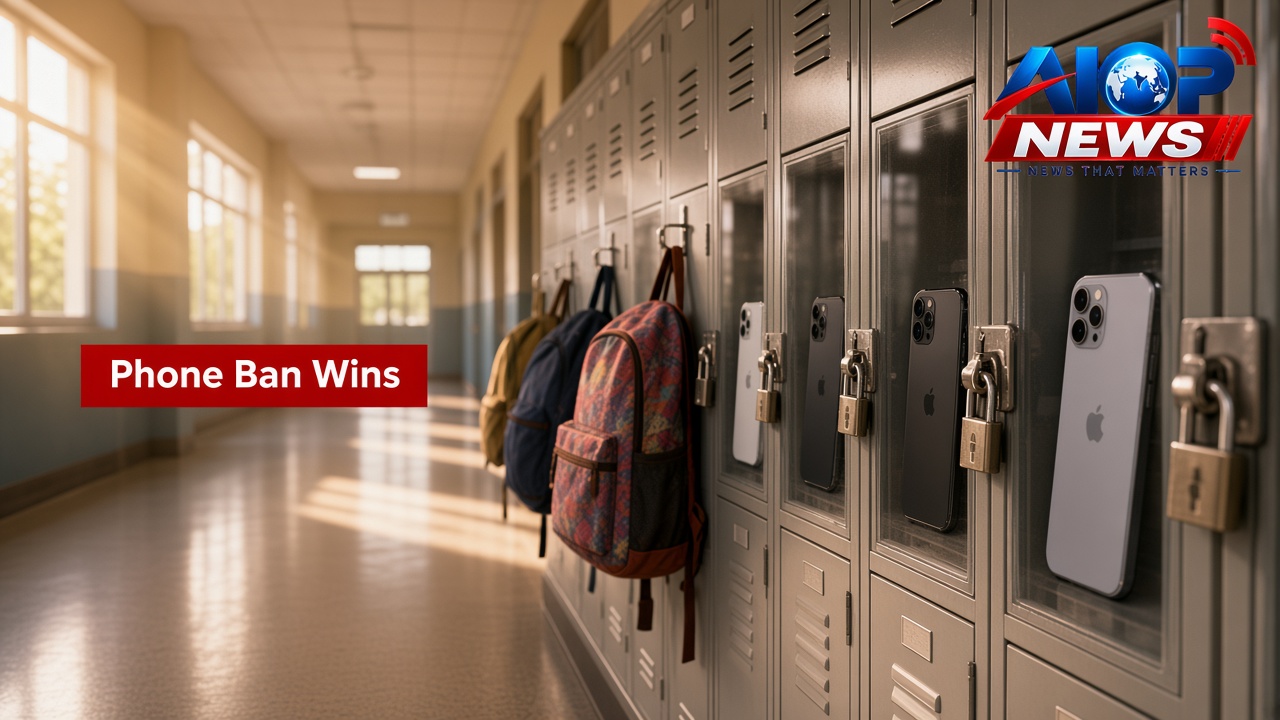
Beyond the grades, the social benefits are becoming undeniable. Schools that have implemented total bans—where phones must be stored in lockers or magnetic pouches—report a decrease in incidents of cyberbullying during school hours. When students are physically present with one another without digital intermediaries, empathy and conflict resolution skills appear to improve.
Implementation Strategies That Work
The survey also highlights that the method of the ban matters just as much as the rule itself. Schools that involve students in the conversation about why the ban is being implemented tend to see higher compliance and less resentment. Key strategies include:
- Consistent Enforcement: When rules are applied equally to everyone, students feel the policy is fair.
- Designated Tech Zones: Some schools allow device use in specific areas or during specific times to ease the transition.
- Focus on Mental Health: Framing the ban as a tool for mental health rather than a punishment helps shift the narrative.
Conclusion: A New Era for Education
The findings of this survey mark a potential turning point in the relationship between Education and technology. As we move further into the 2020s, the goal is no longer just about having the latest gadgets in the classroom, but about fostering an environment where students can thrive both intellectually and emotionally. While the "cellphone ban" was once a point of contention, it is increasingly becoming a cornerstone of a healthy school culture. As teens continue to adapt, the focus remains on ensuring that the classroom remains a sanctuary for learning, free from the noise of the digital world.