Beyond the 90 Minutes
For decades, the dressing room was viewed as a fortress of stoicism. Players were expected to bleed for the badge, shrug off physical knocks, and bury any emotional turmoil beneath a veneer of traditional masculinity. But the cultural tides are turning in profound ways. Today, communities and professional clubs alike are realizing that the beautiful game offers a unique, disarming platform to discuss psychological well-being.
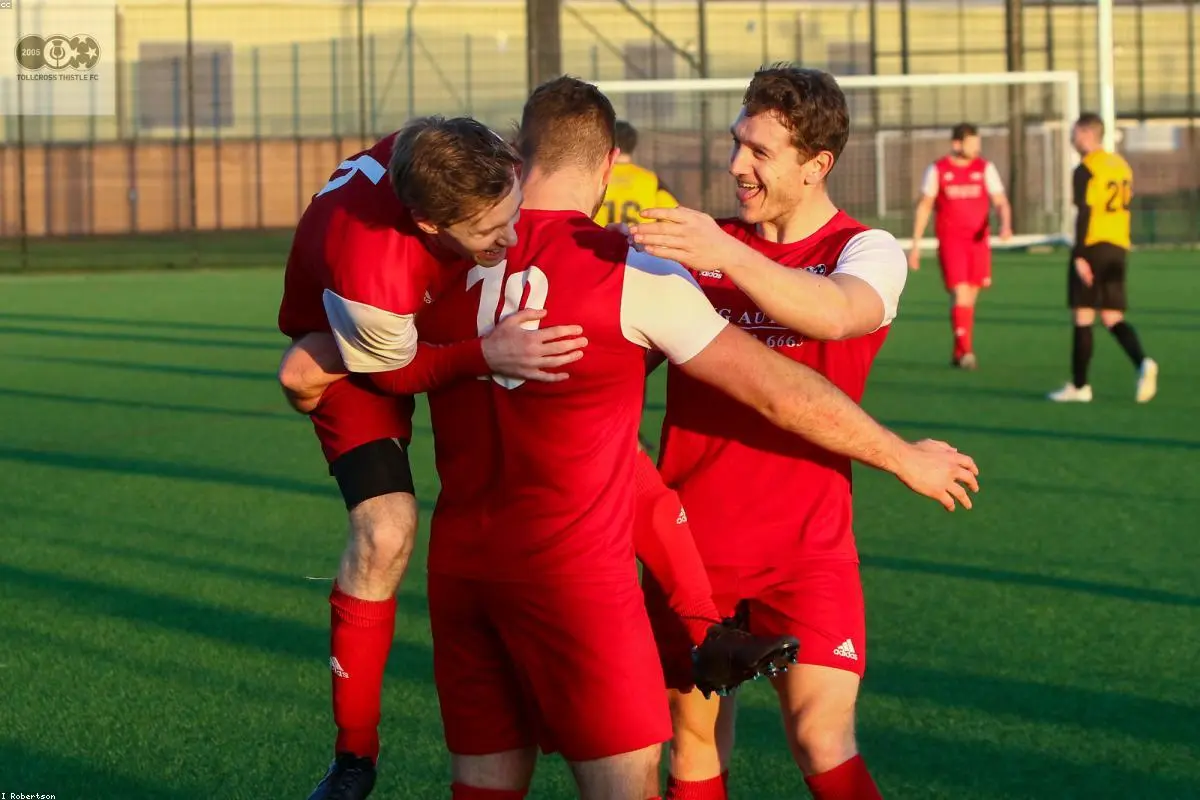
When you strip away the multi-million-pound broadcasting deals and the tribal rivalry, football is fundamentally about connection. It brings people together in freezing parks on Sunday mornings and packed stadiums on Tuesday nights. That shared passion creates a natural ecosystem of trust, making it an ideal vehicle to reach individuals who might otherwise avoid traditional clinical settings.
From Grassroots Initiatives to Global Stages
Recent media coverage, including a compelling feature highlighted by BBC News, underscores a growing movement where coaches and players are tearing up the old playbook. Instead of focusing solely on passing drills and fitness, grassroots mentors are being trained to spot the subtle behavioral shifts that indicate someone is struggling.
What makes this approach so effective is its subtlety. Men, in particular, have statistically proven harder to reach through conventional public health campaigns. However, sitting side-by-side in a stands or kicking a ball around a local astro-turf lowers the barrier to entry. Vulnerability doesn't feel forced when it happens organically over a post-match pint or during a warm-up jog.
Why Sport Breaks Down Barriers
- Shared Identity: Fans and players share a collective language and emotional investment, creating instant camaraderie.
- Reduced Intimidation: Talking about feelings while active feels less clinical than sitting across a desk in a doctor's office.
- Peer Support: Teammates often notice behavioral changes before family members do, acting as a crucial first line of defense.
The Broader Impact on Public Wellness
Integrating emotional support into sports isn't just about helping elite athletes handle the crushing pressure of social media trolls and high-stakes matches. It ripples outward into society. When a beloved captain opens up about anxiety, or a local club hosts an open-door workshop, it sends a powerful message to fans in the stands: it is okay not to be okay.
This cultural shift is a massive win for preventative medicine. Experts frequently emphasize that early intervention is the cornerstone of better holistic outcomes. By treating psychological fitness with the same rigorous attention as physical conditioning, we create communities that are resilient both on and off the pitch. To explore more about how physical activity intersects with holistic longevity, check out our comprehensive Health section.
The Final Whistle
The transformation of football into a safe space for emotional expression is still a work in progress, but the momentum is undeniable. We are witnessing the birth of a new era where strength is no longer measured by silent endurance, but by the courage to speak up. As more clubs embrace this philosophy, the game proves once again that its greatest victories happen far beyond the scoreboard.