The Asphyxiating Reality on the Frontline
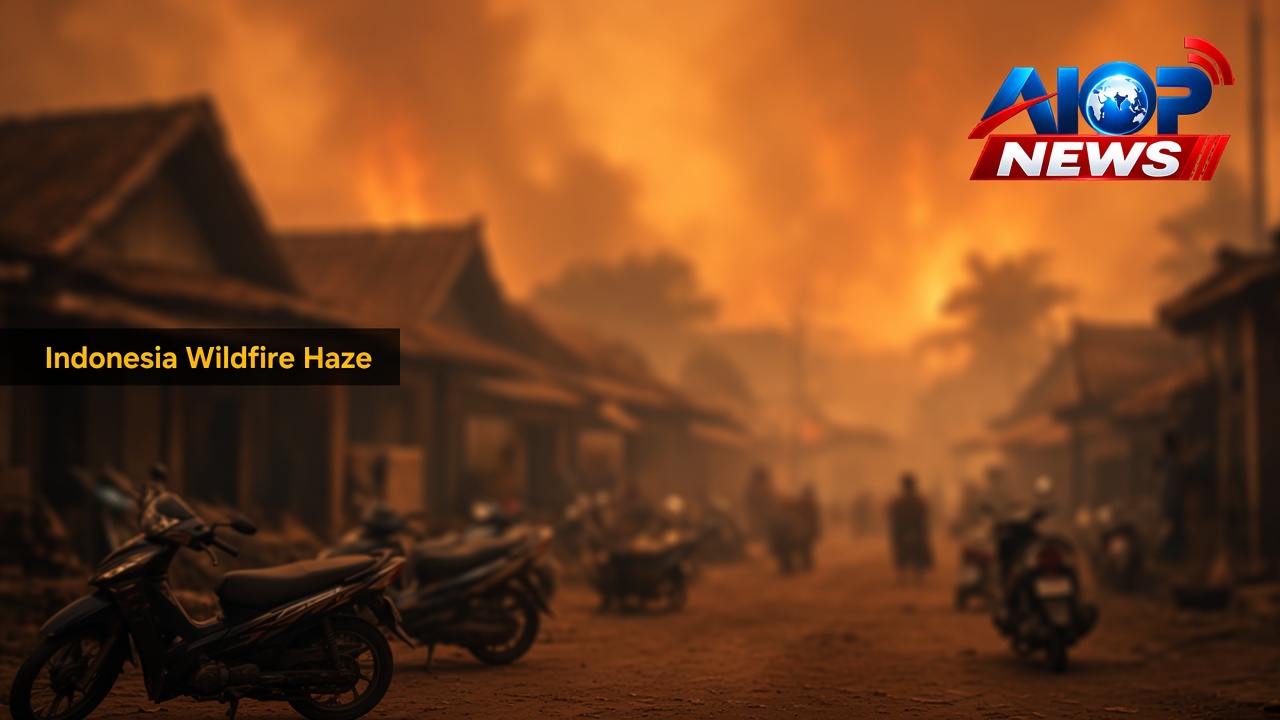
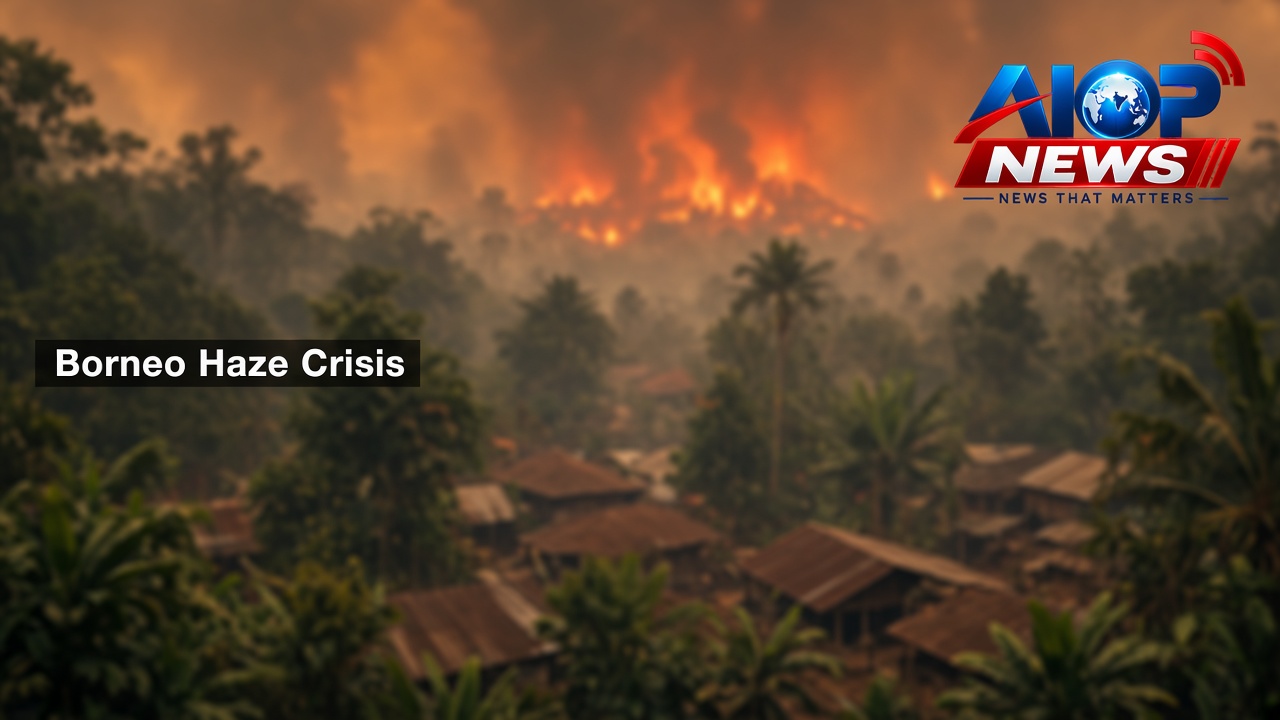
As of October 21, 2026, the island of Borneo is grappling with an environmental catastrophe of staggering proportions. A prolonged "Super El Niño" event has created tinderbox conditions across the landscape, fueling wildfires that have raged for months. This climatic phenomenon has transformed vast swaths of Indonesian territory into a frontline of toxic smoke, affecting the lives and well-being of hundreds of thousands of people.
The persistent fires have choked the region with hazardous air quality, creating a public health emergency that continues to worsen. Reports indicate that the haze is not merely a seasonal nuisance but a systemic crisis that has left large portions of the population suffering from respiratory illnesses and other health complications. For more updates on global crises, visit our International news section.
The Role of the Super El Niño
Meteorological experts have pointed to the current Super El Niño as the primary driver behind the severity of this year's fire season. By significantly altering rainfall patterns and inducing prolonged periods of drought, the weather cycle has rendered the peatlands and forests of Indonesia exceptionally vulnerable to ignition.
The situation reflects a broader pattern of climate-related stress that remains a critical focus for international monitoring agencies. According to recent reports detailing the scale of the destruction, the fires have proven difficult to contain, creating a cycle of smoke that drifts across regional borders, impacting air quality far beyond the immediate ignition points in Borneo.
Impact on Public Health
The direct consequences of the toxic haze are being felt most acutely in the healthcare sector. With hundreds of thousands of people falling ill, local clinics and regional medical facilities are facing immense pressure. The prevalence of respiratory issues, aggravated by the thick, particulate-laden air, highlights the urgent need for medical resources and mitigation strategies in the affected communities.
The prolonged exposure to such high levels of air pollution raises significant concerns regarding the long-term health trajectory for residents in the affected zones. Without immediate relief from the meteorological conditions driving these fires, the burden on the local population continues to escalate.
Conclusion: A Crisis Demanding Global Attention
The events currently unfolding in Borneo serve as a stark reminder of the volatile intersection between climate phenomena and human health. As the Super El Niño continues to influence regional weather, the residents of Southeast Asia remain on the frontlines of an increasingly dangerous environment. The situation underscores the necessity for sustained international attention to manage both the environmental fires and the resulting humanitarian crisis.