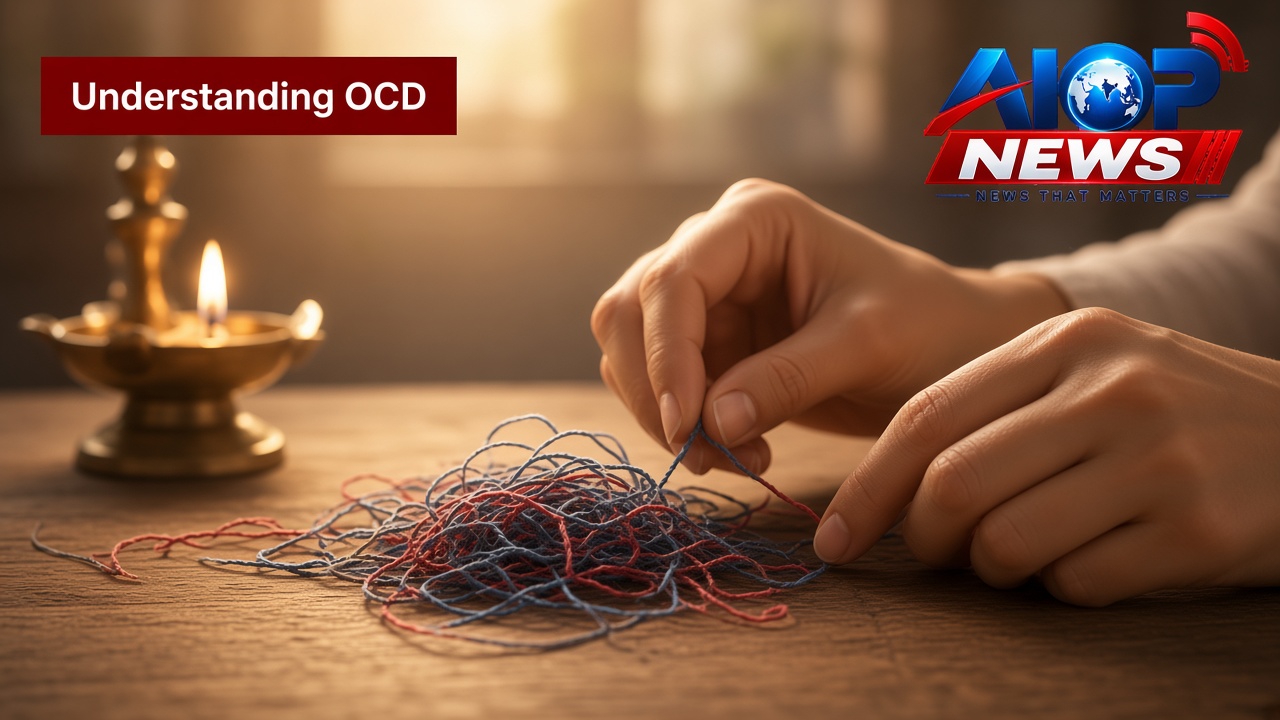
The Invisible Struggle: Living with OCD
For millions, the term Obsessive-Compulsive Disorder (OCD) is often misunderstood as merely a preference for tidiness or organization. However, for those experiencing the true reality of the condition, the internal experience can be far more harrowing. Many individuals report feeling like a “monster,” trapped by intrusive, distressing thoughts that feel entirely contrary to their true character.
This deep psychological burden highlights a significant gap in public understanding regarding mental health. The distress caused by these intrusive thoughts is a hallmark symptom of OCD, often leading to profound shame and social isolation for those affected.
The Myth of the 'Monster'
The feeling of being a "monster" is a common clinical manifestation of the disorder. Because intrusive thoughts can involve topics that are deeply upsetting or socially taboo, individuals often internalize these thoughts as reflections of their moral identity. This phenomenon, often referred to by psychologists as "ego-dystonic," means the thoughts are not in line with the person's actual values or desires, yet they feel persistent and overwhelming.
Breaking the Stigma
It is crucial to differentiate between an individual’s true character and the involuntary, repetitive nature of OCD symptoms. Medical professionals emphasize that intrusive thoughts are not actions, nor do they represent a person's intent. Recognizing these patterns as symptoms of a treatable condition rather than a character flaw is the first step toward effective management and long-term recovery.
For more insights into this specific experience, you can view the report featured on BBC News, which explores the personal stories of those navigating the complexities of the disorder.
Seeking Help and Professional Guidance
Advocacy for patient safety and improved mental health resources remains a priority in the global medical community. Effective treatment often involves specialized forms of therapy, such as Cognitive Behavioral Therapy (CBT) and Exposure and Response Prevention (ERP), which are designed to help patients manage their symptoms and reduce the power these intrusive thoughts hold over their lives.
If you or someone you know is struggling with signs of OCD, seeking support from a qualified health professional is essential. Understanding that these symptoms are part of a recognized medical condition can help alleviate the isolation that frequently accompanies the diagnosis.
Conclusion: A Path Toward Understanding
The realization that intrusive thoughts are a symptom of OCD—and not a sign of being a 'monster'—is a life-changing epiphany for many patients. By fostering an environment of empathy and medical accuracy, we can dismantle the stigma that keeps individuals from seeking the help they need. Continued education on Health and psychological well-being is vital for ensuring that everyone receives the care and support they deserve.