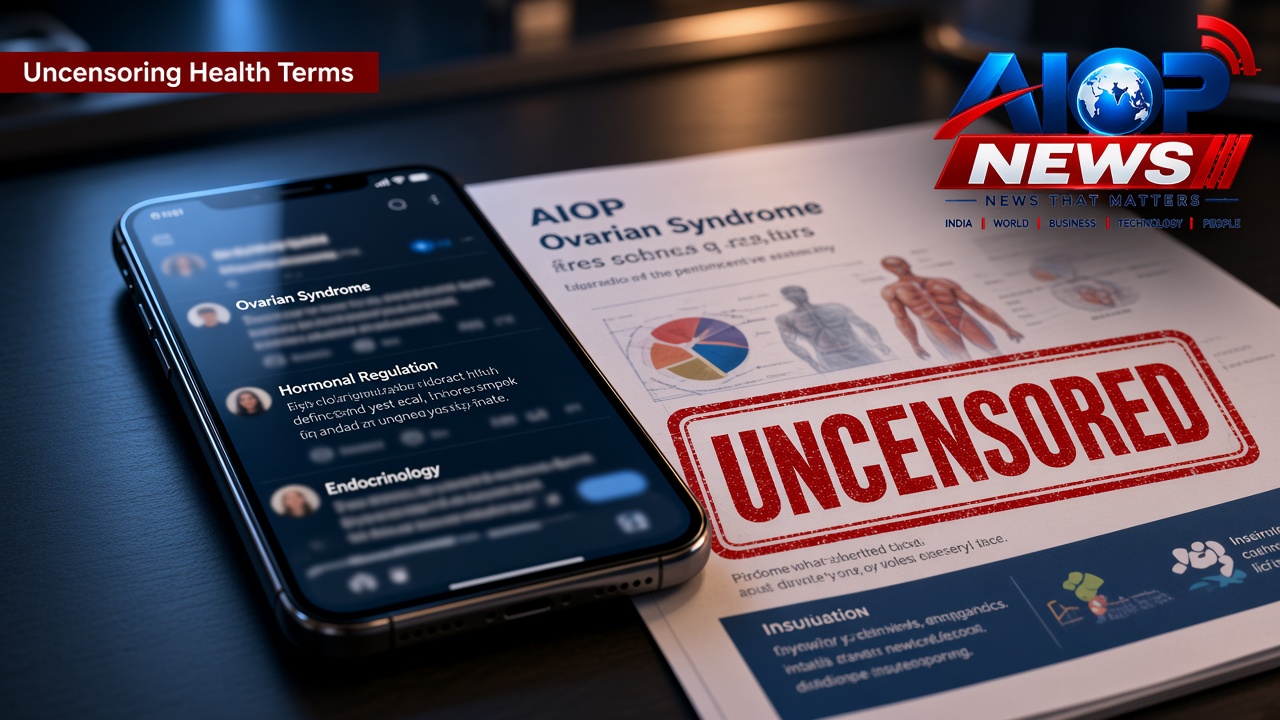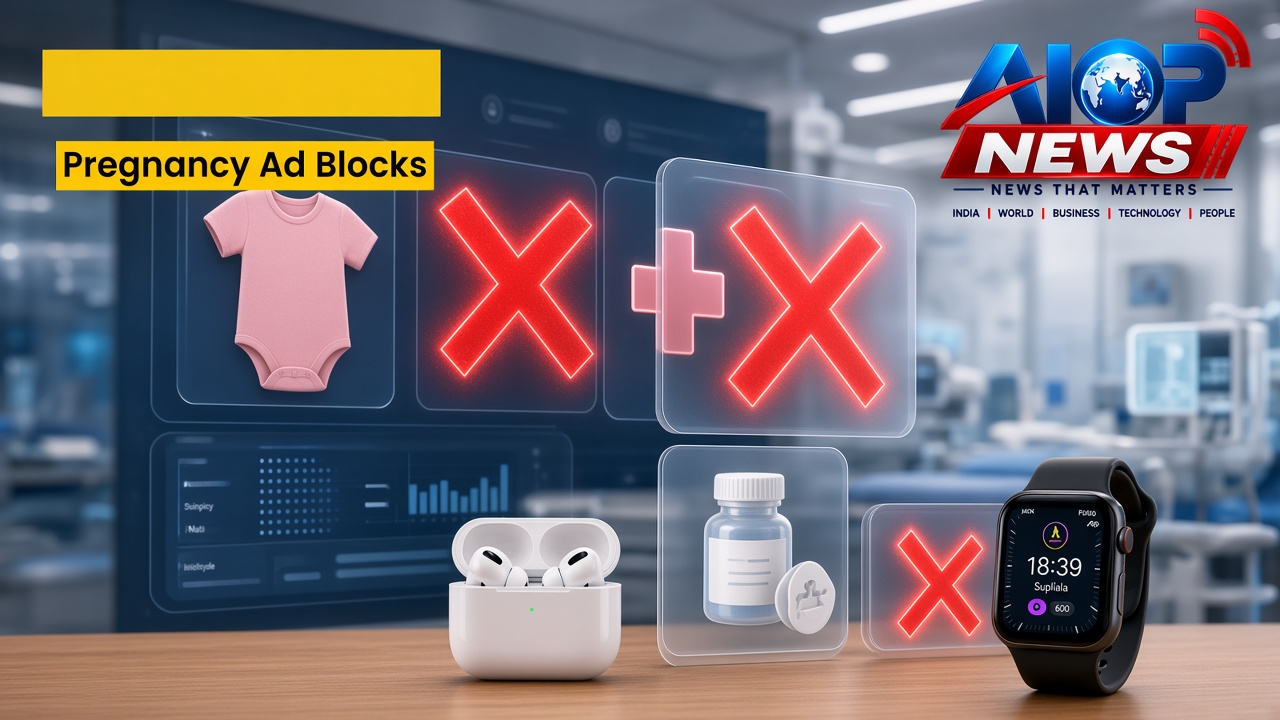
Social media platforms are facing renewed scrutiny over content moderation after business advertisements were taken down simply for mentioning the word 'pregnancy' on Instagram. The incident has brought attention to a wider and increasingly vocal issue among online entrepreneurs and educators who report that digital platforms are routinely suppressing vital topics.
Content creators focusing on educational, reproductive, and Health discussions have long warned that their accounts face unexplained drops in reach—often referred to as being shadowbanned. As automated advertising algorithms and strict community standards govern mainstream platforms, businesses operating in the women's health space find themselves caught in a complex web of content filtering and ad rejections.
The Impact of Automated Ad Rejections on Women's Health
For independent brands and digital businesses, advertising on major platforms like Instagram is critical for reaching audiences and sustaining commercial growth. However, when standard medical terms such as 'pregnancy' are treated as violations or flagged for sensitive content, commercial campaigns can be pulled without warning.
According to reporting on the issue by the BBC, creators and business owners are questioning what is really happening beneath the surface of social media moderation systems. When everyday reproductive terms result in commercial penalties, businesses are left struggling to market essential health products, services, and informative resources.
Why Does 'Pregnancy' Trigger Content Flags?
Social networks rely heavily on automated systems and artificial intelligence filters to scan millions of advertisements each day. These systems are programmed to catch restricted or prohibited categories, such as adult content, regulated medical goods, and misleading claims. However, broad automated rules often struggle to differentiate between genuine policy violations and standard terminology used in everyday healthcare discussions.
When an automated filter flags a word like 'pregnancy', it often subjects the advertisement to instant rejection. For businesses, resolving these errors can be a prolonged process, leading to lost revenue, wasted marketing budgets, and interrupted operations.
The Growing Frustration Over Creator Shadowbans
Beyond formal advertising tools, organic content creators in the women's health sphere report similar barriers. Many creators claim they are being shadowbanned—a state where their content is suppressed or rendered invisible to followers and discovery feeds without an official notification or clear explanation.
Creators attempting to discuss critical topics, including reproductive wellness, post-partum recovery, and maternal health, report that their educational posts are restricted alongside spam or inappropriate content. This hidden censorship makes it difficult for verified health educators to build an audience and deliver accurate information to people who need it most.
A Barrier to Public Health and Information Access
The suppression of legitimate medical language creates a chilling effect across digital spaces. When health educators and businesses fear that using accurate words will penalize their visibility, they are forced to use coded phrases or avoid essential topics altogether. This dynamic poses serious challenges:
- Reduced visibility for vital resources: Users searching for reliable guidance on pregnancy and healthcare encounter algorithmic roadblocks.
- Harm to legitimate enterprises: Niche brands and healthcare startups face unfair economic penalties simply for naming their sector.
- Spread of misinformation: Suppressing clear, factual medical terminology leaves an information vacuum that can be filled by unverified advice.
What's Really Happening Behind the Scenes?
The core of the issue lies in the tension between automated moderation at scale and the nuance required for healthcare communication. While platforms continuously update their policies to prevent exploitation, the reliance on blunt algorithmic enforcement frequently misclassifies legitimate women's health content as inappropriate material.
As social media remains a primary avenue for consumer discovery and public health awareness, creators and business founders are continuing to call for transparency. For those whose livelihood and advocacy depend on women's health, ensuring that essential terms like 'pregnancy' can be spoken and shared freely remains a critical and urgent challenge.