Recognising the early signs of serious illness in children can be uniquely challenging for parents, caregivers, and medical professionals alike. While severe illnesses in young people are relatively uncommon, childhood cancer symptoms can be easily missed due to how frequently they overlap with routine childhood ailments. Increasing awareness around these early signs remains a critical focus for public health advocates and medical communities.
According to health data, although cancer in young people remains statistically rare, it stands as the leading cause of death from disease among children under 15 in the UK. This stark reality underscores the vital importance of understanding potential warning signs, promoting timely medical evaluations, and improving pediatric care across the Health sector.
Understanding Childhood Cancer Risk and Impact
For parents and guardians, facing the possibility of a serious childhood illness is deeply distressing. Fortunately, cancer in children occurs far less frequently than in adults. However, its impact on pediatric mortality figures is significant. Being the primary disease-related cause of death for children under the age of 15 in the United Kingdom highlights a crucial area where heightened vigilance and swift medical response can make a life-changing difference.
Because childhood cancers develop differently from adult cancers, understanding how symptoms manifest is vital. Unlike adult cancers, which are frequently linked to lifestyle or environmental factors over several decades, pediatric cases often arise from complex biological or developmental factors, making careful observation of health changes essential.
Why Childhood Cancer Symptoms Can Be Easily Missed
One of the primary reasons childhood cancer symptoms can be easily missed is that many initial indicators closely resemble benign, everyday conditions. Young children frequently experience recurrent viral infections, unexplained bumps, fatigue, or occasional pain as part of normal growth and routine childhood illnesses. As a result, early indicators may initially be attributed to common bugs, minor injuries, or typical growing pains.
When symptoms are non-specific or mild at the outset, parents and healthcare providers may naturally assume a routine illness is at play. The critical distinction often lies in the persistence, recurrence, or unusual progression of these subtle signs over time. Recognizing when standard childhood symptoms do not resolve as expected is a key trigger for seeking further medical investigation.
Key Factors to Watch For and When to Seek Advice
While specific symptoms vary depending on the type and location of the condition, general health guidance emphasizes the importance of monitoring persistent or unexplained changes in a child’s wellbeing. Caregivers are encouraged to seek professional guidance whenever a child exhibits continuous or unusual symptoms.
1. Persistence of Symptoms
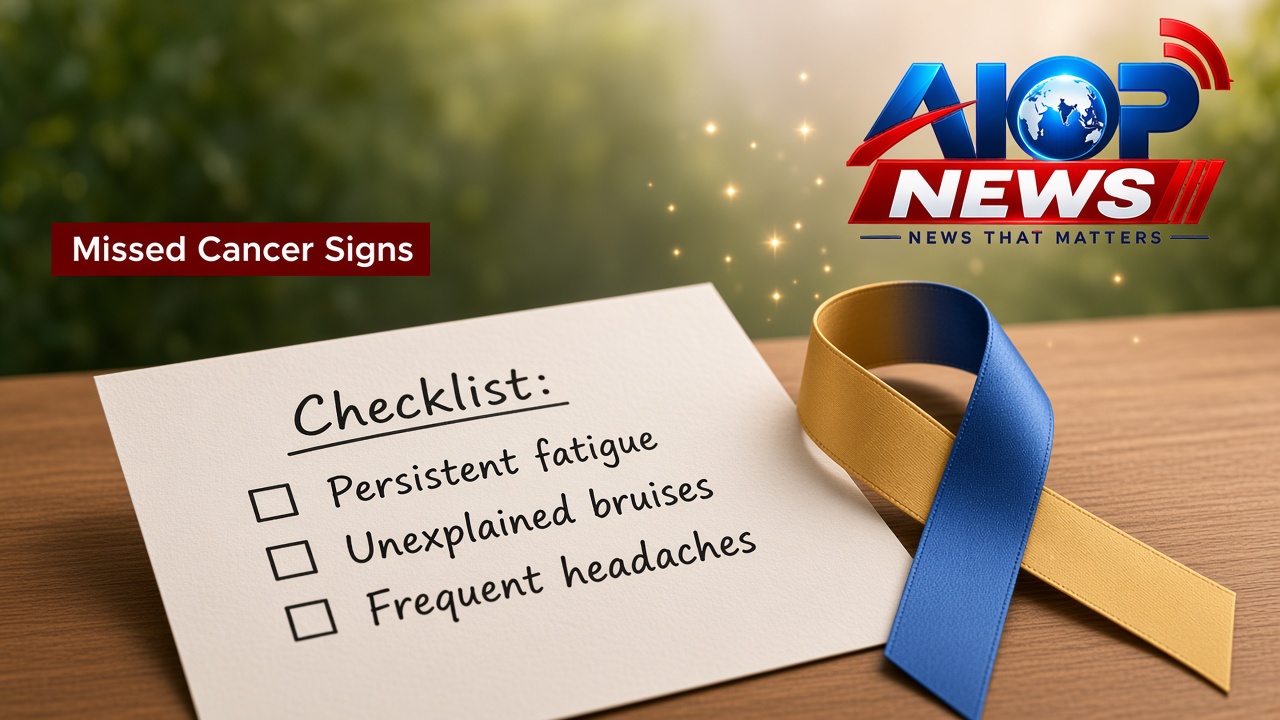
Common childhood illnesses typically follow a predictable path of recovery. When symptoms such as fatigue, fever, headaches, or pain persist over an extended period without a clear explanation or fail to improve with standard treatment, medical consultation is recommended.
2. Unexplained Physical Changes
Any unexplained swelling, unusual lumps, persistent bruising, or unexplained weight loss should be formally evaluated by a healthcare professional. Paying attention to sudden changes in energy levels, mobility, or overall behavior can also provide critical context during routine check-ups.
3. Trusting Caregiver Intuition
Parents and primary caregivers know their children best. Healthcare professionals consistently encourage caregivers to seek medical advice if they feel something is fundamentally wrong, even if the initial symptoms appear minor or non-specific on the surface.
The Vital Role of Early Vigilance
Raising public awareness about pediatric health concerns plays an essential role in ensuring children receive timely care. Increased awareness empowers caregivers to ask questions and seek secondary evaluations when health issues linger. As reported by BBC News, understanding these health risks is crucial to supporting families and ensuring potential health issues are identified as early as possible.
Summary
While cancer in children remains rare, its status as the leading cause of death from disease among children under 15 in the UK highlights the essential need for ongoing awareness. Because early symptoms can easily be mistaken for everyday childhood illnesses, paying attention to persistent, unexplained changes in health is critical. By trusting caregiver intuition and seeking timely professional medical advice, families can ensure children receive the care and evaluation they need.