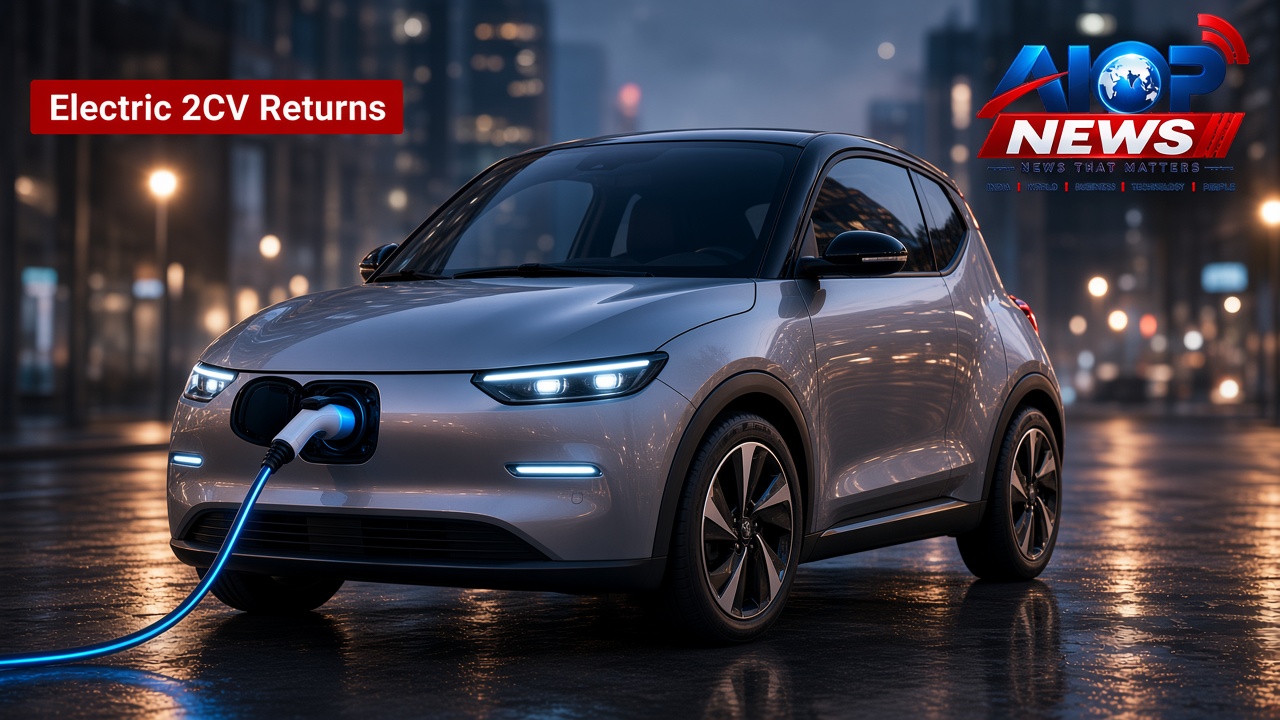
PARIS — In a strategic effort to navigate the rapidly changing automotive landscape, French manufacturer Citroen is reviving its legendary 2CV model, reinventing the classic car for the modern electric age. The decision to bring back one of France's most iconic motoring symbols comes at a pivotal moment for traditional European carmakers, who are facing growing pressure from aggressive Chinese rivals expanding in the electric vehicle sector.
The original 2CV, renowned for its simple engineering and distinct design, established a enduring legacy in world motoring. By channeling the recognizable heritage of the classic vehicle into an electric model, Citroen seeks to combine historic appeal with contemporary green technology. This initiative highlights a broader trend across the global auto industry, where heritage nameplates are utilized to stand out in an increasingly crowded market. For further analysis on industry trends and corporate strategy, explore our Business news section.
A Classic Reimagined for Modern Electric Mobility
The reinvented 2CV represents a key milestone in Citroen's electric vehicle strategy. While historic iterations were designed to offer simple and accessible transportation to the general public, the modern electric variant aims to adapt those fundamental qualities—accessibility, efficiency, and individual character—for a new generation of zero-emission drivers.
Automotive market analysts observe that updating heritage designs gives legacy carmakers a unique story to tell consumers. Bringing iconic models into the battery-electric era creates a distinctive marketing advantage. As governments and regulators push for reduced emissions, traditional manufacturers are increasingly turning to familiar brand identities to win over drivers who want both functional sustainability and personality in their transport choices.
Navigating Competition from Chinese Rivals
Industry Challenges and Strategic Adaptation
Citroen’s revival of the 2CV comes as European carmakers contend with significant strategic pressure from Chinese competitors. In recent years, Chinese electric car brands have rapidly expanded their market footprint, presenting affordable and technologically advanced alternatives in European and global markets. This shifting competitive landscape has forced established manufacturers to reconsider their market approach, production costs, and overall product portfolios.
In response to these market realities, European vehicle makers are looking for ways to emphasize unique value propositions that new industry entrants cannot easily replicate. Heritage and cultural identity serve as powerful differentiators. By bringing back classic designs like the 2CV, French and European manufacturers hope to leverage brand loyalty and emotional connection alongside modern zero-emission capabilities.
The Broader Impact on the Automotive Market
As the transition toward electric mobility continues to transform global transport, the market reception of Citroen's electric 2CV will be closely followed across the sector. Combining nostalgic design elements with modern electric powertrains presents both creative opportunities and market challenges for the French brand. However, in an industry facing shifting consumer preferences and new international competition, reviving iconic heritage cars offers a focused path forward.
As reported by BBC News, this electric reinvention highlights how traditional carmakers are adapting their product strategies to defend their market position against rising foreign rivals in the electric era.