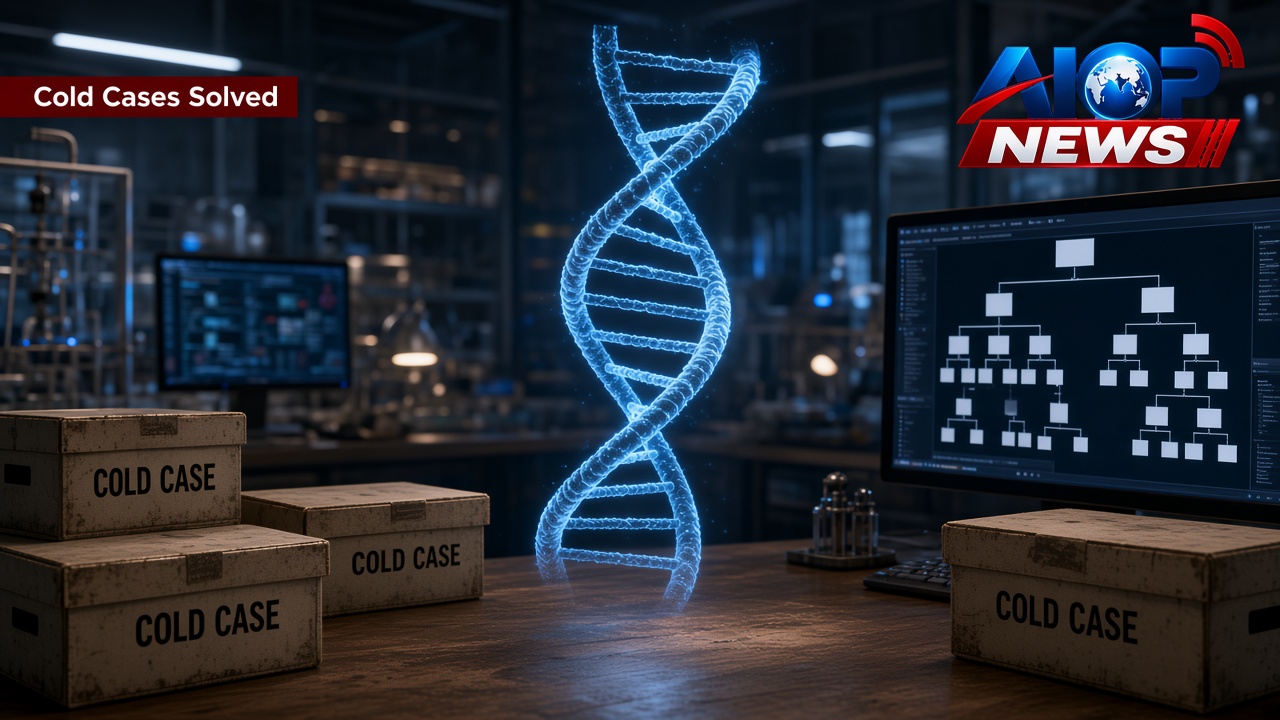
Unlocking Secrets from the Past
For decades, many families of crime victims lived in the shadows of uncertainty, waiting for answers that seemed perpetually out of reach. Today, the landscape of criminal investigation is shifting dramatically as investigators leverage advancements in Technology to bridge the gap between past evidence and modern identification. Investigative genetic genealogy has emerged as a game-changing tool, allowing authorities to revisit cold cases that were once considered impossible to solve.
As reported by BBC News, the application of forensic genealogy has successfully hunted down criminals who have evaded justice for years. By analyzing DNA profiles from crime scenes and cross-referencing them with public genetic databases, law enforcement can build family trees that lead directly to previously unidentified suspects.
The Mechanics of Forensic Genealogy
At its core, investigative genetic genealogy works by comparing the genetic material recovered from cold case crime scenes against commercial DNA testing databases. When a partial match is found, forensic experts and genealogists work in tandem to construct family trees. This process allows them to identify common ancestors and narrow down the pool of potential suspects, effectively using modern scientific tools to provide closure where traditional forensic methods reached their limit.
This intersection of biology and data analysis represents a significant leap forward in technology news, providing investigators with leads that were previously inaccessible. By focusing on the shared genetic markers within family lineages, police departments are now clearing cases that have languished in archives for decades.
Privacy Concerns in the Digital Age
Despite the undeniable success in apprehending suspects, the widespread use of genetic genealogy has sparked urgent conversations about privacy. The ethical implications center on how personal biological data—often submitted by citizens to commercial companies for ancestry or health insights—is being repurposed for criminal investigations.
Critics argue that individuals who upload their DNA profiles to these databases may not fully understand the long-term privacy ramifications, even if they never intended their genetic blueprints to be used by law enforcement. As these cybersecurity and data ethics concerns grow, policymakers and industry leaders are forced to weigh the benefits of public safety against the fundamental right to individual privacy.
Conclusion
The rise of investigative genetic genealogy underscores the double-edged nature of modern scientific progress. While it offers a powerful mechanism to resolve long-standing cold cases and deliver justice to victims' families, it also necessitates a robust dialogue regarding the protection of genetic privacy. As we continue to integrate sophisticated technological tools into our legal systems, the challenge will be to balance the pursuit of truth with the essential safeguards required in a privacy-conscious society.