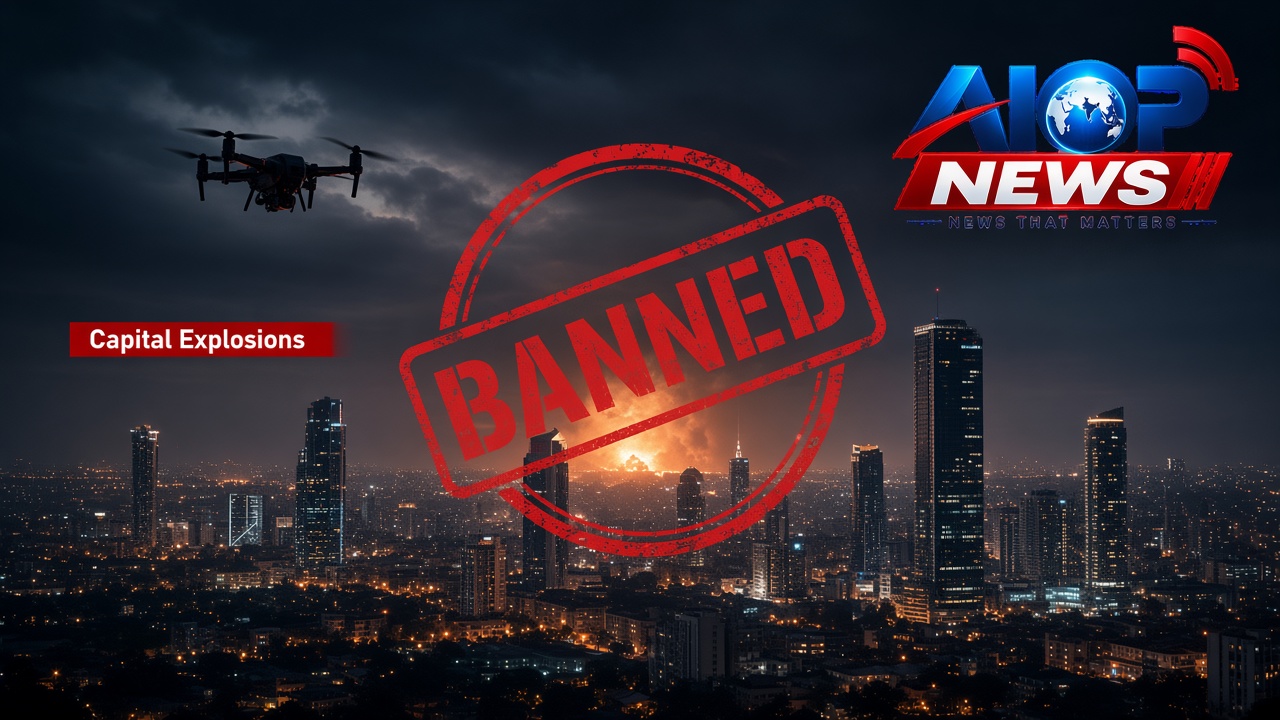
Residents of Ethiopia’s capital, Addis Ababa, were startled by the sound of loud explosions late Tuesday, coming just hours after federal authorities announced a strict ban on unauthorized drone flights over the city. The sudden escalation has sparked widespread concern over the security situation in East Africa's diplomatic hub.
As the situation unfolds, global observers are closely monitoring Addis Ababa. The Horn of Africa has experienced significant geopolitical shifts in recent years, making any threat of instability in Ethiopia a critical focal point for international news agencies and global policymakers alike.
The Drone Ban and Subsequent Blasts
According to local reports and eyewitness accounts, several detonations were heard in different parts of the capital. The exact cause of the explosions remains unconfirmed, and government officials have yet to release a detailed statement regarding casualties or the precise locations targeted.
The blasts occurred shortly after the Ethiopian Civil Aviation Authority (ECAA) declared a complete suspension of all recreational and commercial drone flights in Addis Ababa and surrounding areas. Under the new directive, only state-approved security agencies are permitted to operate unmanned aerial vehicles (UAVs). Security analysts suggest that the drone ban was likely a preemptive measure implemented due to intelligence warnings of a potential aerial threat.
Eyewitness Accounts and Immediate Security Response
Many residents took to social media to report hearing loud bangs, with some describing a heavy security presence deploying rapidly across major intersections in the capital. Federal police and military personnel have reportedly cordoned off several areas, searching vehicles and increasing patrols.
As reported by the BBC, the tension in the capital is palpable, reflecting the broader anxieties of a nation grappling with multiple internal conflicts and security challenges.
Contextualizing Ethiopia's Security Challenges
To understand the gravity of these explosions, one must look at Ethiopia’s complex internal political landscape. Despite the formal peace agreement signed in late 2022 that ended the devastating civil war in the northern Tigray region, Ethiopia continues to face severe security challenges in other parts of the country.
The Rise of Regional Tensions
In recent months, clashes have intensified in the neighboring Amhara region between federal forces and the local Fano militia. Additionally, active insurgencies persist in parts of the Oromia region, led by the Oromo Liberation Army (OLA). Both conflicts have previously threatened to spill over into Addis Ababa, keeping federal security forces on high alert.
Drones have played a pivotal role in these conflicts, utilized by both the Ethiopian military for surveillance and airstrikes, and potentially sought after by rebel groups looking to bypass ground defenses. The decision to ground all non-governmental drone flights underscores fears that rebel factions might attempt to deploy commercial drones rigged with explosives within the capital.
Global Implications and Future Outlook
The instability in Ethiopia has far-reaching consequences for the entire Horn of Africa region. As the seat of the African Union (AU) and numerous international diplomatic missions, Addis Ababa’s stability is paramount for regional peace talks and humanitarian coordination.
Foreign embassies in the capital, including those of the United States and European Union nations, have frequently updated their travel advisories for Ethiopia, urging citizens to exercise extreme caution. The latest events are likely to prompt further security reviews by international organizations operating in the country.
Summary: What Lies Ahead?
In summary, the explosions in Addis Ababa following the sudden drone ban highlight the fragile state of security in Ethiopia. While the government works to neutralize potential threats, the lack of immediate official communication has fueled speculation and anxiety among the public. Moving forward, the international community will be watching closely to see how Prime Minister Abiy Ahmed’s administration manages these emerging threats without escalating existing regional grievances.