A Terrifying Medical Emergency for a Newborn
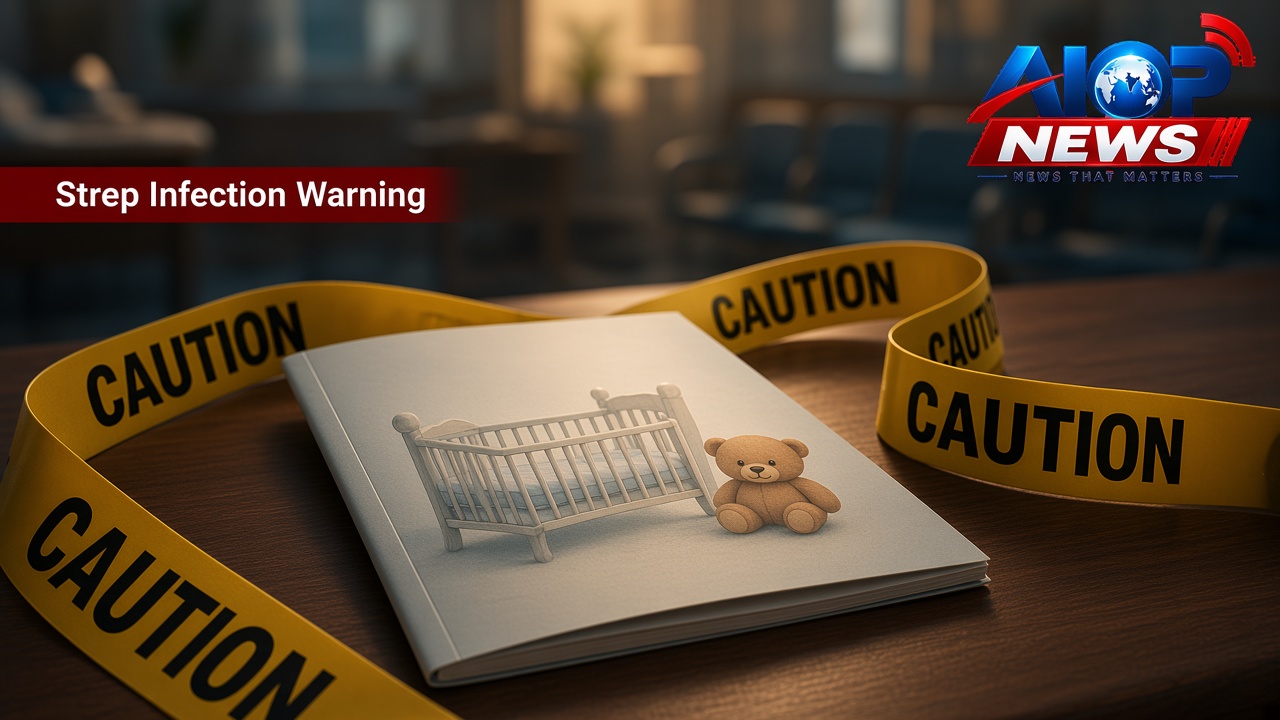
Every parent expects to bring their newborn baby home to a safe and nurturing environment, but for one family, that joy turned into a harrowing medical crisis. At just three weeks old, a baby named Leo suddenly became gravely ill, fighting for his life against a severe bacterial infection known as Group B Streptococcus (GBS). According to reports highlighting the incident, the infant nearly died from the condition before receiving urgent medical intervention.
The sudden onset of the illness serves as a stark reminder of how rapidly health emergencies can develop in newborns. Medical professionals continually stress the importance of early recognition and treatment for pediatric infections, as an infant's immune system is still developing and highly vulnerable to pathogens like Group B Strep.
Understanding Group B Streptococcus in Infants
Group B Strep is a common type of bacteria that can be carried harmlessly in the adult body, but it poses significant risks to newborns if transmitted during birth or contracted shortly after. While routine screenings and preventive antibiotics during labor have reduced transmission rates significantly, infections can still occur and progress with alarming speed in young infants.
In Leo's case, the infant went from seemingly healthy to suddenly unwell in a matter of hours, shocking his parents and plunging the family into a frantic search for medical help. Incidents like this highlight the broader critical conversations surrounding Health and pediatric infectious disease management.
Recognizing the Warning Signs
Healthcare providers urge parents to remain vigilant during the first few weeks of a baby's life. Symptoms of a serious infection in a newborn can be subtle and may include:
- Unusual lethargy or difficulty waking up
- Poor feeding or refusal to eat
- Irritability or persistent crying
- Abnormal temperature changes (fever or feeling unusually cold)
- Changes in breathing patterns
Because newborns can deteriorate rapidly, medical experts advise seeking immediate emergency care if parents notice any sudden changes in their baby's behavior or physical condition.
Raising Awareness and Seeking Further Information
The harrowing experience shared by the family aims to bring much-needed awareness to the dangers of Group B Streptococcus in babies. By speaking out about how quickly a seemingly healthy three-week-old can face life-threatening circumstances, they hope to educate other parents and caregivers about the signs of severe neonatal infections.
For more details on this developing story and to view original coverage, you can read the BBC News report.
Conclusion
The terrifying ordeal faced by baby Leo and his family underscores the unpredictable nature of newborn health complications. Prompt medical attention remains the ultimate line of defense against severe infections like Group B Strep. As awareness grows, medical communities continue to emphasize vigilance, education, and rapid response to protect the health and safety of infants everywhere.