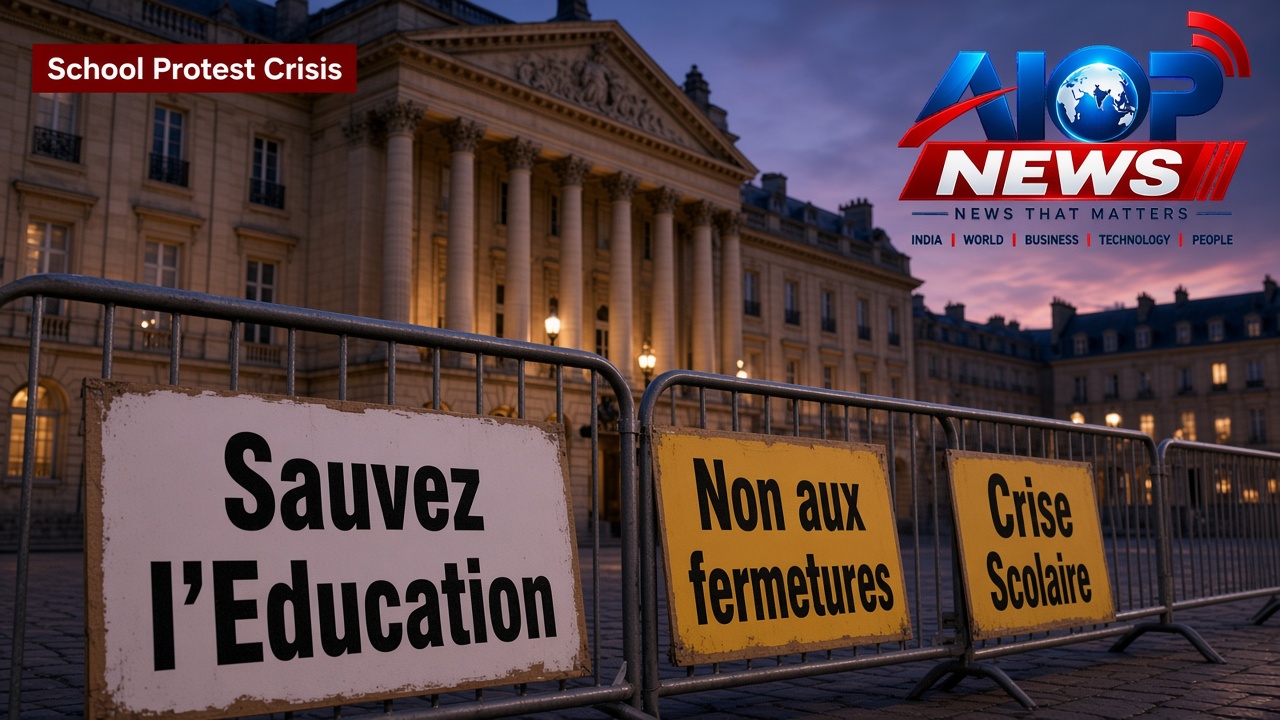
Tensions Boil Over in the French Capital
The streets of Paris and several other major French cities were transformed into battlegrounds this week as riot police clashed with students and educators. What began as a series of organized strikes against proposed education reforms quickly escalated into violent confrontations, marking a significant escalation in the ongoing friction between the French government and the public sector.
As the protests intensified, authorities deployed tear gas and water cannons to disperse crowds of young demonstrators who had erected barricades and launched projectiles. The scenes of chaos reflect a deepening divide in French society over the future of the nation’s schooling system, drawing significant attention from the International community as observers monitor the stability of the Macron administration.
The Root of the Conflict: 'Choc des Savoirs'
At the heart of the unrest is a series of reforms dubbed the "Choc des Savoirs" (Clash of Knowledge). Proposed by the Ministry of Education, these reforms aim to restructure the French secondary education system by grouping students according to their academic levels in core subjects like mathematics and French. While the government argues these measures will improve standards and allow for more tailored instruction, critics see it differently.
Concerns Over Social Segregation
Teachers' unions and student organizations have slammed the proposal, labeling it a "sorting machine" that will inevitably lead to social segregation. "We are fighting for an egalitarian school system," said one student representative in Paris. "These reforms will stigmatize students from disadvantaged backgrounds and further widen the gap between the elite and the working class."
The protests are not limited to curriculum changes. Educators are also highlighting chronic issues within the system, including:
- Severe teacher shortages across the country.
- Stagnant wages that have failed to keep pace with inflation.
- Dilapidated school infrastructure in suburban areas.
- Increased workloads without corresponding administrative support.
Police Intervention and Escalating Violence
While many of the marches began peacefully, the atmosphere shifted rapidly in the late afternoon. In the Latin Quarter of Paris, groups of masked individuals clashed with the CRS (Compagnies Républicaines de Sécurité). According to eyewitness reports and footage from the scene, riot police used forceful tactics to prevent the crowds from reaching government buildings. Several arrests were made, and reports of minor injuries among both protesters and officers have surfaced.
The heavy-handed response has drawn criticism from human rights groups, who argue that the use of chemical irritants against minors is a disproportionate measure. Conversely, the Interior Ministry defended the police actions, stating that the intervention was necessary to prevent property damage and ensure public safety against "radicalized elements" within the protest groups.
Broader Political and International Implications
These events in France are being watched closely by leaders in the International arena. France has long been a bellwether for civil discourse and labor rights in Europe. The current unrest is a stark reminder of the challenges facing Western democracies as they attempt to implement austerity measures and structural reforms in an era of high economic volatility.
The protests also put pressure on President Emmanuel Macron’s government, which is already navigating a complex political landscape following recent legislative shifts. The ability to appease the education sector without retreating from core policy goals will be a major test for the Prime Minister and the Education Minister in the coming weeks.
A Pattern of European Discontent
France is not alone in its struggle with public sector reform. Across the continent, similar movements have been observed in Greece, Italy, and the United Kingdom, where rising costs of living and shifts in educational priorities have sparked public pushback. However, the intensity of the French response—rooted in a long history of street activism—remains unique in its scale and ferocity.
Conclusion: A Path Forward or Continued Deadlock?
As the sun sets on a day of intense conflict, the future of the French education reforms remains uncertain. While the government has expressed a willingness to engage in "dialogue," student leaders and unions have vowed to continue their actions until the reforms are completely withdrawn. For now, the streets of France remain a symbol of a nation at a crossroads, balancing the need for modernization with the deeply held values of égalité.
For more detailed updates on this developing story, refer to the original report by the BBC at: https://www.bbc.co.uk/news/articles/ck3r5dxxwqzpo?at_medium=RSS&at_campaign=rss.