Tensions Escalate Between Washington and The Hague
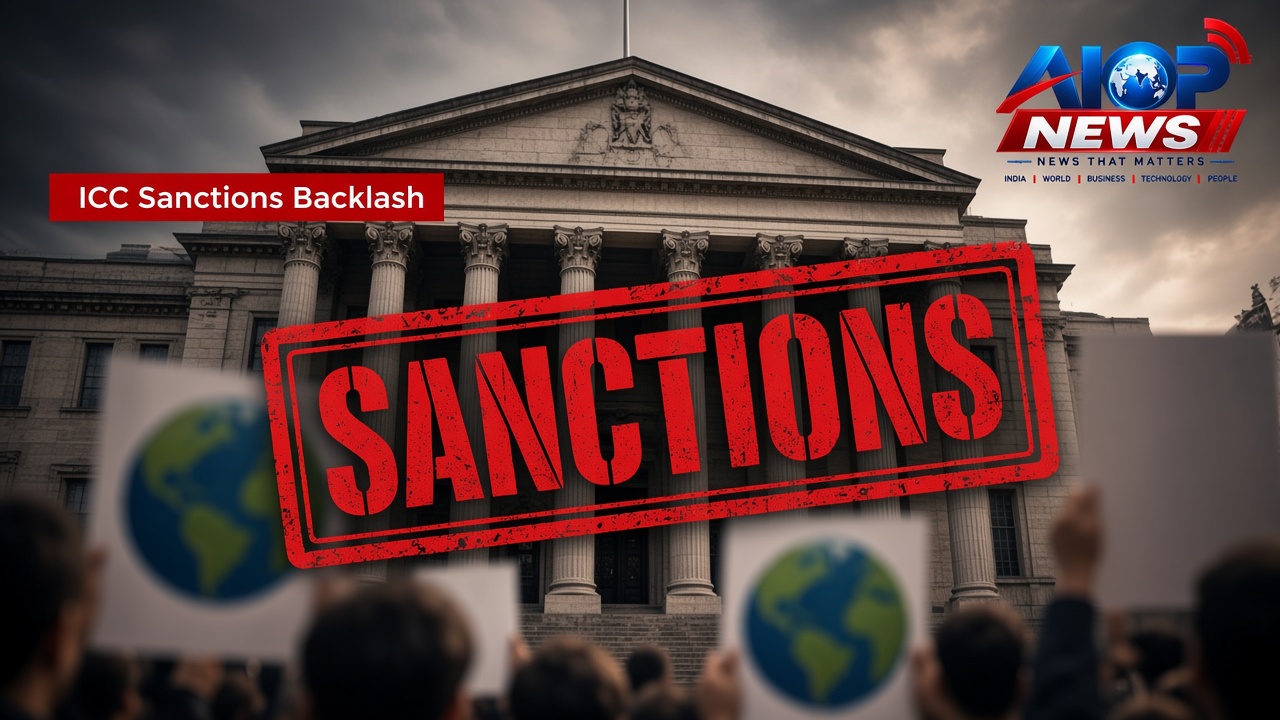
The United States government has officially unveiled a new round of sanctions targeting the International Criminal Court (ICC), a move that has drawn immediate and sharp condemnation from the tribunal and several of its member states. As of October 9, 2026, the diplomatic standoff underscores a deepening divide regarding the authority and independence of international judicial bodies.
The ICC, based in The Hague, responded swiftly to the announcement, labeling the sanctions as an "assault on the rule of law." The institution, which operates as a court of last resort for the prosecution of serious international crimes, maintains that such economic and travel-related restrictions threaten the integrity of its judicial processes.
International Allies Voice Strong Disagreement
The US decision to target the court has not gone unchallenged on the world stage. Several key member states of the international tribunal have publicly distanced themselves from the American position. Notably, the United Kingdom has issued a statement confirming that it "strongly disagrees" with the sanctions, highlighting a rare public friction between traditional diplomatic partners.
For more updates on global developments, visit our International news section. This escalating situation continues to be monitored closely by observers of global diplomacy and human rights advocacy.
Impact on Global Governance
The Role of International Institutions: The ICC was established to ensure that perpetrators of the most serious crimes—such as genocide, war crimes, and crimes against humanity—do not escape accountability. By imposing sanctions on the court, the US is engaging in a high-stakes diplomatic confrontation that raises significant questions about the future of international cooperation.
Legal experts and diplomats are currently evaluating the potential ripple effects this move may have on other international bodies. Critics of the sanctions argue that by attempting to pressure the court through punitive measures, the US risks undermining the very framework of justice it has helped build over the past several decades.
The Path Forward
As of today, the situation remains fluid. While the US administration stands by its policy, the chorus of international dissent continues to grow. The ICC has indicated it remains committed to its mandate despite the external pressure, though the practical implications for its ongoing investigations remain to be seen.
The diplomatic community is now waiting to see whether further dialogue can bridge the gap or if the rift between the United States and the international judiciary will widen further in the coming months.
Summary
The imposition of sanctions on the ICC by the US marks a volatile shift in international relations. With prominent allies like the UK rejecting the move and the court itself describing the action as an attack on legal standards, the world remains divided on how to hold international institutions accountable while maintaining the independence of global judicial systems.