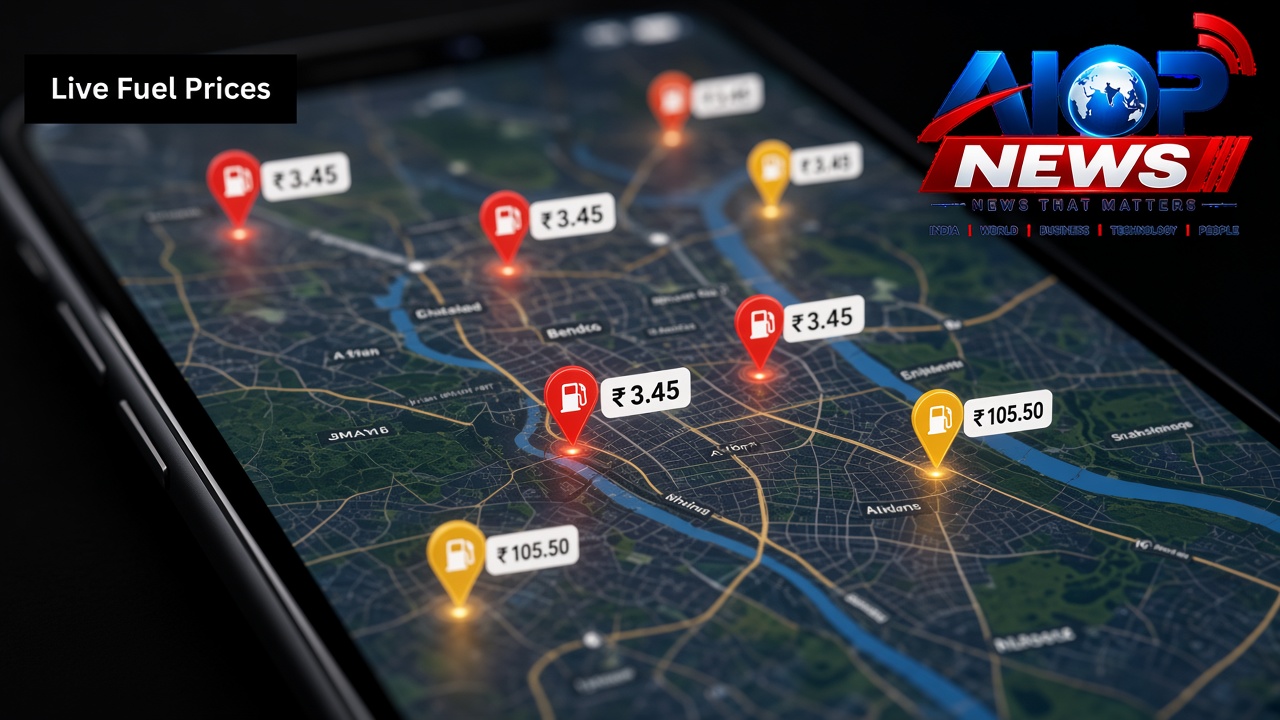
As petrol and diesel costs continue to soar, digital navigation tools are stepping in to provide motorists with real-time financial clarity at the pumps. In a significant update to daily mapping services, fuel prices have officially been added to Google Maps. The integration allows drivers to view up-to-date pricing directly when searching for local forecourts, helping consumers make informed decisions during a period of escalating fuel expenses.
The new feature relies on official data provided through the government's Fuel Finder scheme. By feeding transparent pricing information into popular navigation platforms, the initiative aims to increase price visibility across forecourts and give drivers quick access to cost-saving options while on the road.
Integration with the Fuel Finder Scheme
The addition of live forecourt pricing to digital maps marks an important step in leveraging public data for everyday consumer convenience. Under the government's Fuel Finder scheme, pricing information from fuel retailers is made available to digital platforms. Google Maps has now incorporated this data feed, enabling its mapping interface to display petrol and diesel rates alongside standard forecourt details such as location, operating hours, and user reviews.
For those following developments in technology news, this update demonstrates how public sector transparency initiatives can be combined with widely used software applications. By seamlessly embedding cost details into location searches, mapping technology provides a practical solution for drivers seeking to monitor spending without needing to consult separate price-comparison tools or visit individual retailer websites.
How Forecourt Price Displays Work for Drivers
With petrol and diesel costs rising, finding affordable fuel options has become a priority for many motorists. Through the updated mapping application, searching for forecourts now brings up price listings alongside map markers. This simple interface change allows users to compare nearby forecourts efficiently before embarking on a journey or making a fuel stop.
The streamlined process ensures that pricing is readily accessible within the standard search flow. Key features of this integration include:
- Direct Search Visibility: Searching for nearby petrol stations or forecourts instantly displays current pricing details.
- Clear Price Comparison: Drivers can evaluate multiple fuel stations across a route to identify competitive rates.
- Government Data Reliability: The underlying figures draw directly from the government's Fuel Finder scheme to ensure standardized information.
The Role of Technology in Managing Rising Costs
The expansion of digital mapping capabilities comes at a crucial time for consumers adjusting to soaring petrol and diesel costs. Modern navigation apps are increasingly expanding beyond basic route planning to act as comprehensive digital assistants that address daily financial and logistical decisions.
By surfacing forecourt prices directly on user maps, technology platforms lower the barrier to price transparency. Increased visibility encourages healthy competition among forecourts while empowering consumers to choose pricing options that best fit their budgets. As mobile applications continue to integrate live government datasets, digital navigation systems are becoming increasingly vital tools for cost-aware drivers.
Source and Availability
This latest digital roll-out highlights how real-time pricing feeds can transform standard navigation tools into valuable economic resources for the public. According to reporting by BBC News, searches for forecourts on Google Maps will now display their pricing using the government's Fuel Finder scheme framework.
Summary
The integration of fuel prices into Google Maps offers drivers a practical tool to navigate soaring petrol and diesel costs. Powered by data from the government's Fuel Finder scheme, forecourt searches now instantly reveal pricing information. This advancement underscores the growing role of modern software and government data schemes in delivering real-time economic transparency directly to consumers' smartphones.