Understanding the Science of Post-Alcohol Anxiety
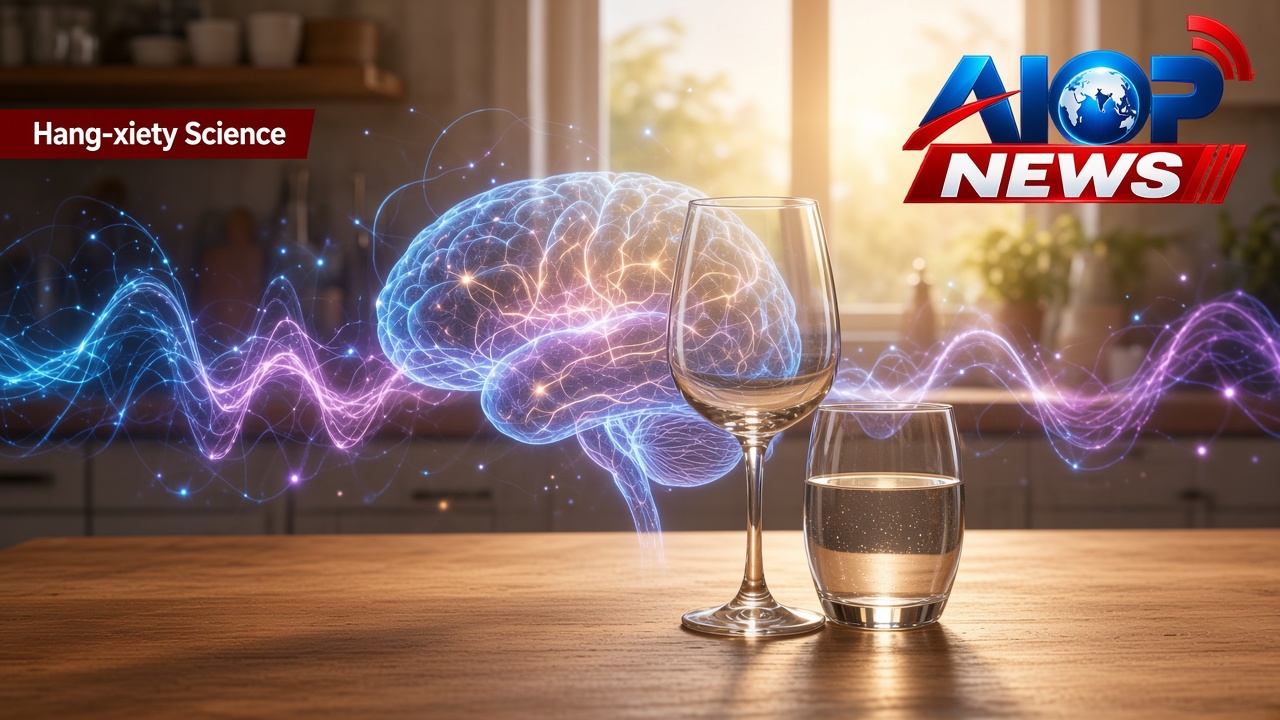
It is a scenario all too familiar to many: the morning after a night of socializing, the physical symptoms of a hangover are compounded by an overwhelming, lingering sense of unease or dread. While often dismissed as simply feeling 'out of sorts,' this experience is a recognized phenomenon that experts have dubbed 'hang-xiety.' As we explore the intersection of lifestyle and Health, it is becoming increasingly clear that this reaction is rooted in biological processes rather than just a bad mood.
According to Chloe Hayward, a correspondent for BBC Health, the connection between alcohol consumption and heightened anxiety levels is a subject of genuine scientific inquiry. In a recent analysis of the condition, Hayward breaks down why our brains respond to alcohol with such a specific, unpleasant aftermath.
What Happens to Your Brain When You Drink?
To understand 'hang-xiety,' one must first look at how alcohol interacts with the body's neurochemistry. Alcohol is a central nervous system depressant, which is why it initially creates feelings of relaxation and lowered inhibitions. When consumed, it boosts the effects of GABA, a neurotransmitter that helps calm brain activity.
The Rebound Effect
The trouble begins as the body attempts to reach homeostasis after the alcohol begins to wear off. As your system attempts to return to a baseline state, the brain experiences a 'rebound' effect. Because the brain was forced into an artificially relaxed state by the alcohol, it compensates by becoming over-stimulated once the substance leaves the system. This leads to a spike in anxiety, restlessness, and a racing heart—the hallmark symptoms of hang-xiety.
Is Hang-xiety Universal?
While the physiological reaction to alcohol is relatively consistent, the way individuals perceive and process anxiety varies significantly. Some people may find that the post-drinking period is characterized by physical malaise, while others report a significant mental health toll. Experts emphasize that recognizing these symptoms as a biological side effect—rather than an internal failure of character—is an important step in managing one's relationship with alcohol.
For those interested in the full expert breakdown from BBC Health, you can view the original report and discussion at the following source: BBC Health: Understanding Hang-xiety.
Managing the Aftermath
Understanding the science behind hang-xiety does not make the symptoms less unpleasant, but it does provide a perspective shift for those affected. As the body metabolizes alcohol, the brain's neurochemistry struggles to regain balance, leading to that distinct 'dread' feeling. By acknowledging that this is a temporary chemical shift, many find it easier to navigate the recovery process until their systems return to normal.
Summary
Hang-xiety is far from being just 'in your head.' It is a documented physiological response to the neurochemical shifts caused by alcohol consumption. As the brain attempts to recalibrate after the depressant effects of alcohol wear off, the resulting over-stimulation manifests as anxiety. Being aware of these biological triggers can help individuals make more informed choices regarding their lifestyle and Health moving forward.