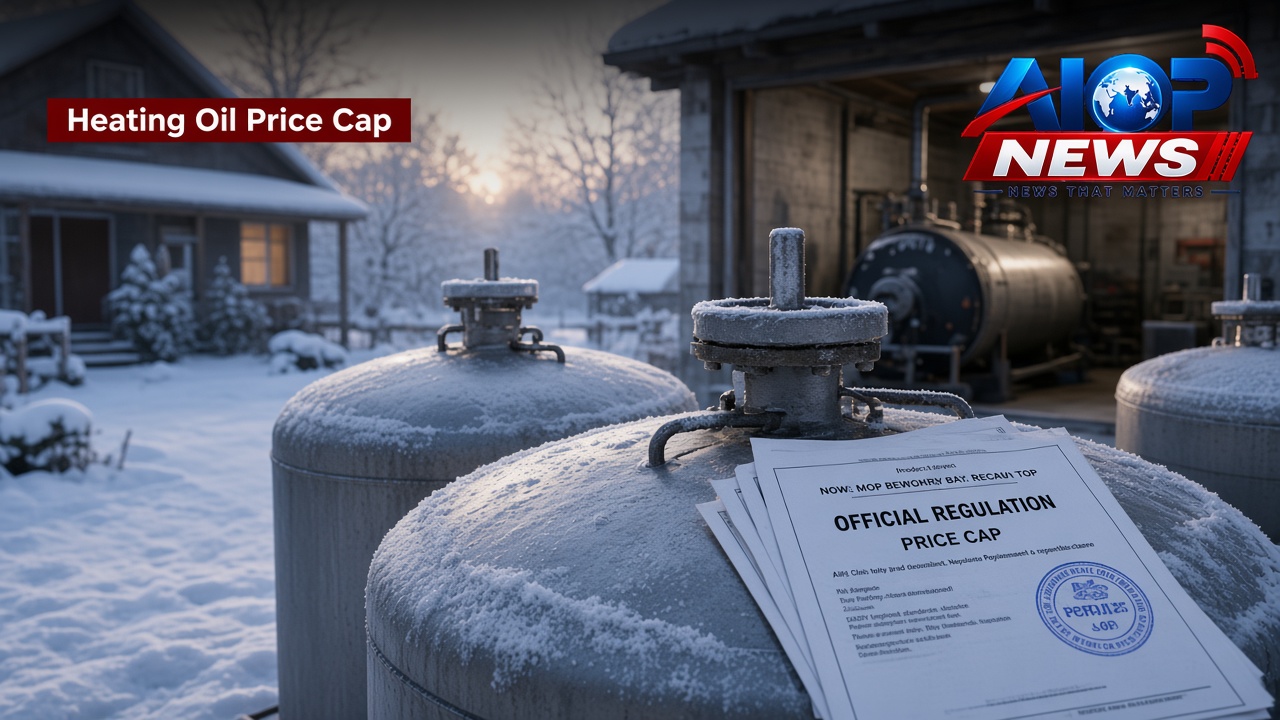
Heating oil customers are confronting the prospect of an exceptionally difficult winter as household fuel costs continue to climb. Following notable increases across the sector, the government has announced plans to step in and regulate heating oil prices. The move comes as officials seek to address growing public concern over domestic heating affordability during the coldest months of the year, marking a notable shift in policy for consumers reliant on off-grid energy supplies.
Price Increases Drive Tough Winter Forecast
For millions of households dependent on independent fuel deliveries rather than mains connections, winter always represents the most demanding period of the year. Recent price increases have intensified those seasonal challenges, leaving many consumers facing elevated bills to keep their properties warm. Unlike standard utility connections, heating oil markets typically operate on spot purchasing and periodic bulk deliveries, meaning that price spikes hit consumer wallets immediately and directly.
As colder temperatures approach, the prospect of prolonged high costs has amplified concerns about household resilience. Fuel affordability remains a major topic across the wider Business sector, where changing commodity values and distribution costs frequently shape the choices available to consumers and suppliers alike.
Government Announces Regulatory Intervention
In light of persistent price increases, the government has signaled that it will not leave the market entirely to unfettered pricing dynamics. Authorities have confirmed intentions to introduce regulatory measures designed to govern heating oil prices, seeking to shield end-users from unchecked price inflation as winter sets in.
Targeting Market Volatility
The regulatory intervention is aimed directly at mitigating the steep upward adjustments that have affected consumers in recent months. Government involvement in commodity pricing typically seeks to establish greater transparency, moderate sudden price spikes, and ensure that consumers are treated fairly by market participants. By pursuing price regulation, policymakers are attempting to restore a degree of predictability to an essential domestic expenditure that directly affects basic living conditions.
Implications for Consumers and Fuel Providers
The transition toward regulated heating oil pricing carries substantial implications for both residential buyers and commercial suppliers. In unregulated environments, distribution companies frequently adjust their rates to reflect fluctuations in wholesale costs, transport overheads, and local supply levels. Introducing formal regulations could transform commercial operations across the distribution network.
Budgeting and Supply Considerations
From the consumer perspective, any regulatory framework that manages or limits price increases offers much-needed reassurance when planning winter budgets. Knowing that heating oil prices are subject to government oversight helps households schedule deliveries without the fear of immediate and dramatic price shifts. However, commercial suppliers will also be watching the regulatory developments closely to understand how price ceilings or operational rules might affect distribution logistics, inventory holding, and long-term business viability.
Summary: A Decisive Move Ahead of Colder Months
With heating oil customers facing an undeniably tough winter, the government's plan to regulate prices represents a decisive policy step. By seeking to address recent price hikes through formal market oversight, authorities hope to provide crucial stability for households during the peak heating season. How these regulatory mechanisms will be implemented remains a primary focus for both consumers and industry analysts.
Further details and original coverage regarding this developing story can be monitored via the report published by the BBC.