In a political development that has captured global attention, a local election in South America has concluded with an exceptionally striking result. According to exit polls, a left-wing candidate named Hitler Mussolini has secured a narrow victory to become the mayor of a remote district situated high in the Peruvian Andes. The outcome has quickly transitioned from a local administrative event into a subject of global conversation, landing the story firmly within the realm of noteworthy international news.
An Unconventional Name in Latin American Politics
The name Hitler Mussolini immediately evokes the memory of two of the most prominent European dictators of the 20th century. In many parts of the world, such names are heavily stigmatized or legally restricted. However, in various regions of Latin America, including parts of Peru, it is not entirely uncommon for parents to bestow historical, foreign, or highly unusual names upon their children, often without deep alignment with the historical ideologies associated with those figures.
In this particular case, the candidate named Hitler Mussolini has defied the historical connotations of his names by running on a left-wing political platform. This political alignment stands in contrast to the far-right ideologies championed by the historical figures who originally bore his first and last names. The juxtaposition of a left-wing platform with these specific names has added an extra layer of interest to the electoral outcome.
A Narrow Victory in the Peruvian Andes
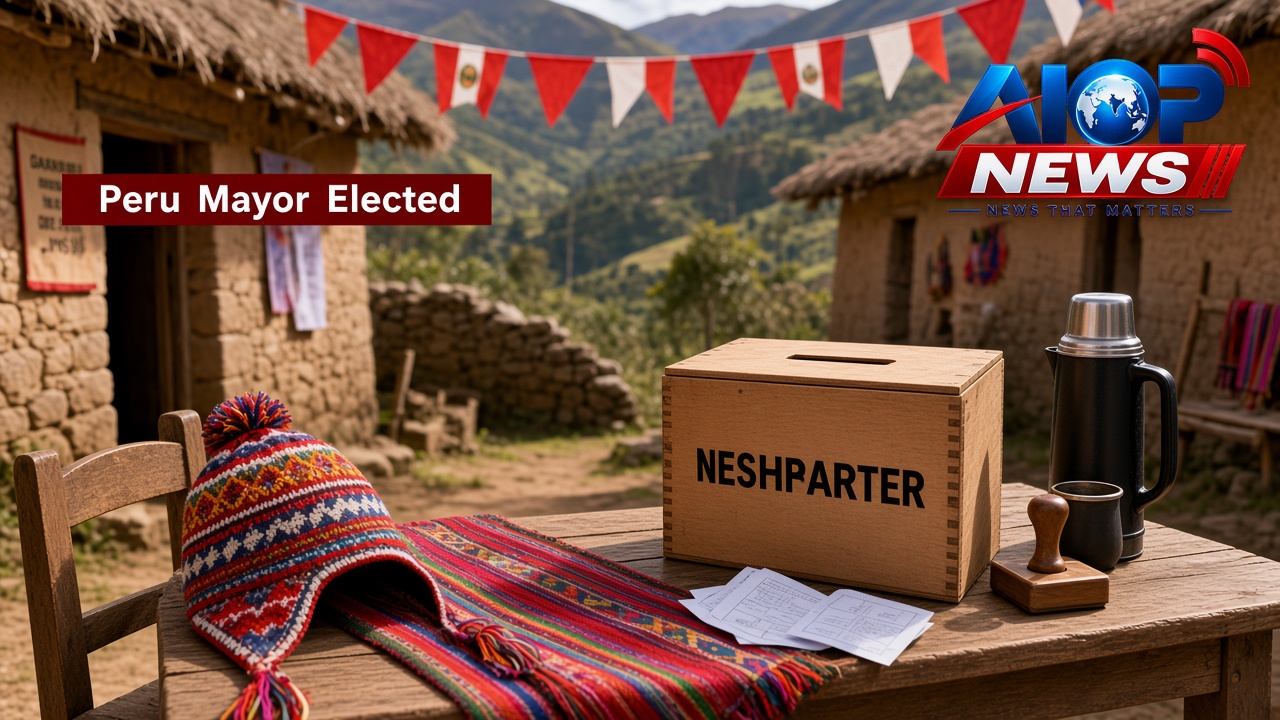
The mayoral race took place in a remote district nestled within the vast and rugged terrain of the Peruvian Andes. This geographical setting presents unique logistical and political challenges, where governing often involves managing issues related to infrastructure, local agriculture, and connectivity with Peru's major urban centers.
According to the latest exit polls, Hitler Mussolini's path to the mayoral seat was highly competitive, resulting in a narrow victory over his political rivals. The tight margin highlights a deeply divided electorate in the district, where local issues and community representation likely played a far greater role in guiding voters' decisions than the name of the winning candidate. While international observers may focus heavily on his nomenclature, local residents were undoubtedly more concerned with the candidate's proposed policies, his left-wing agenda, and his plans for community development.
The Significance of Exit Polls in Remote Elections
Because the election occurred in a remote mountainous district, official final tallies can sometimes take longer to process and certify due to geographic isolation and communication barriers. Exit polls serve as an essential early indicator of electoral outcomes in these situations. Prepared by polling organizations who interview voters immediately after they cast their ballots, these projections provide the public with a preliminary understanding of the election's trajectory before the official electoral authorities release the certified, definitive count.
Global Interest and Media Coverage
As news of the election results spread, international media outlets quickly picked up the story, highlighting the unusual nature of the mayor-elect's name. The report was widely shared across global news networks, showcasing how local municipal elections can sometimes capture the world's imagination through unexpected details. The original report on this electoral outcome was published by the BBC, reflecting the broad interest that this Andean mayoral race has generated globally.
For observers tracking political trends in South America, this victory also reflects the ongoing dynamics of left-wing political movements in rural and indigenous regions of Peru. The Andes have historically been a key region for various left-leaning political forces, where candidates often campaign on platforms emphasizing social support, agricultural development, and local representation.
Conclusion
In summary, the election of Hitler Mussolini as mayor in a remote district of the Peruvian Andes stands as one of the more unusual political stories of the year. Winning by a narrow margin according to exit polls, the left-wing candidate now faces the task of governing his Andean constituency. While his name will continue to generate curiosity and headlines internationally, his success as mayor will ultimately be judged by his ability to address the practical needs of the remote community that elected him.