The Journey to Deep Space: Tracking SpaceX's Starship Iterations
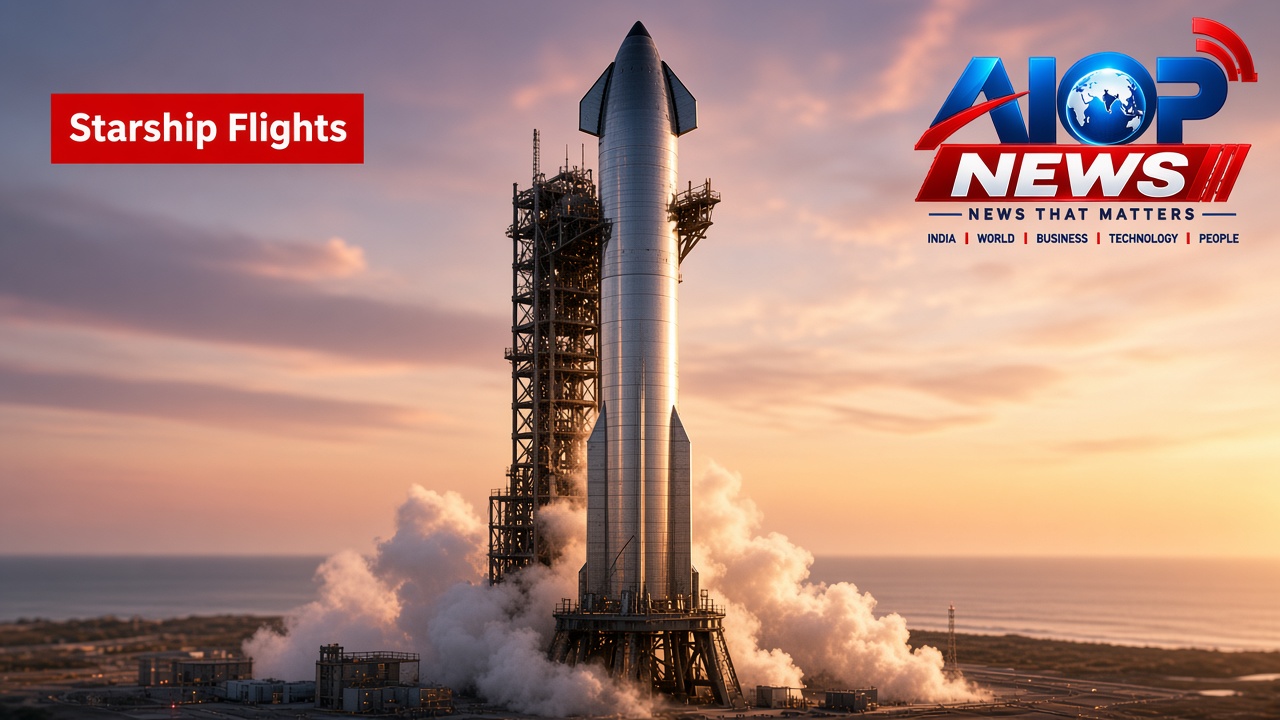
SpaceX's revolutionary Starship program has fundamentally transformed the aerospace industry, capturing the imagination of international space enthusiasts and engineers alike. From breathtaking high-altitude launches to catastrophic ground and mid-air explosions, the road to interplanetary travel is paved with relentless trial and error. A recent retrospective video highlights the dramatic ups and downs of the first 13 Starship test flights, offering a front-row seat to the bleeding edge of rocket science.
As private aerospace ventures increasingly impact the global stage, tracking these milestones becomes essential for understanding the future of commercial spaceflight. To explore more breaking stories from around the globe, visit our dedicated Category: International section for the latest updates on science, technology, and diplomacy.
From Fiery Failures to Historic Triumphs
The early days of the Starship prototyping phase were defined by spectacular failures that ultimately fueled rapid development. Utilizing a 'fail-fast, learn-faster' philosophy, SpaceX engineers deliberately pushed prototypes like SN8 and SN9 to their absolute limits. These initial high-altitude suborbital flight tests often ended in thunderous fireballs upon landing, yet they provided invaluable telemetry data that standard computer simulations simply could not replicate.
Over successive iterations, the engineering team refined the aerodynamics, Raptor engine relight capabilities, and the complex flip maneuver required for vertical landing. These milestones demonstrated Elon Musk's unique approach to hardware-rich development, where building and breaking rockets physically accelerates the engineering timeline compared to traditional, decades-long bureaucratic space programs.
Catching Rockets and Reaching for Orbit
As the program progressed past its initial double-digit milestones, the narrative shifted from mere survival to unprecedented precision. Later flights introduced the Super Heavy booster, testing orbital insertion and atmospheric re-entry dynamics. One of the most awe-inspiring moments in the program's history was the successful use of the 'Mechazilla' launch tower arms to catch the descending Super Heavy booster mid-air—a feat of engineering previously thought nearly impossible.
These achievements have profound implications not just for the United States, but for the international aerospace community, as nations and private entities watch closely to see how reusable heavy-lift architecture will shape the future economy of low-Earth orbit and beyond.
Conclusion: What Lies Ahead for Starship
The first 13 Starship test flights have proven that humanity is one step closer to establishing a sustainable presence on the Moon and Mars. While challenges remain—including regulatory hurdles, thermal protection tile durability, and orbital refueling technologies—the relentless pace of testing signals a new era in space exploration.
To watch the full compilation of these historic moments, you can view the original footage via the BBC News video feature, which details the spectacular highs and lows of SpaceX's ambitious journey.