J. Todd Anderson, the acclaimed storyboard artist whose visual talent helped shape memorable films such as The Nice Guys and Raising Arizona, has passed away at the age of 67 following a battle with cancer. Anderson was widely recognized across Hollywood as a longtime Coen Brothers collaborator, whose distinct illustrations played an essential role in visual planning across numerous cinematic projects.
The news of his death was confirmed on October 3 in a Facebook post by George Willeman, who served as Anderson's co-host on the "Filmically Perfect" podcast. The announcement has prompted reflections across the entertainment industry, as fans, peers, and fellow filmmakers honor his decade-spanning career and lasting creative contributions. The passing was reported by Variety following the social media confirmation.
A Key Creative Partner to Legendary Filmmakers
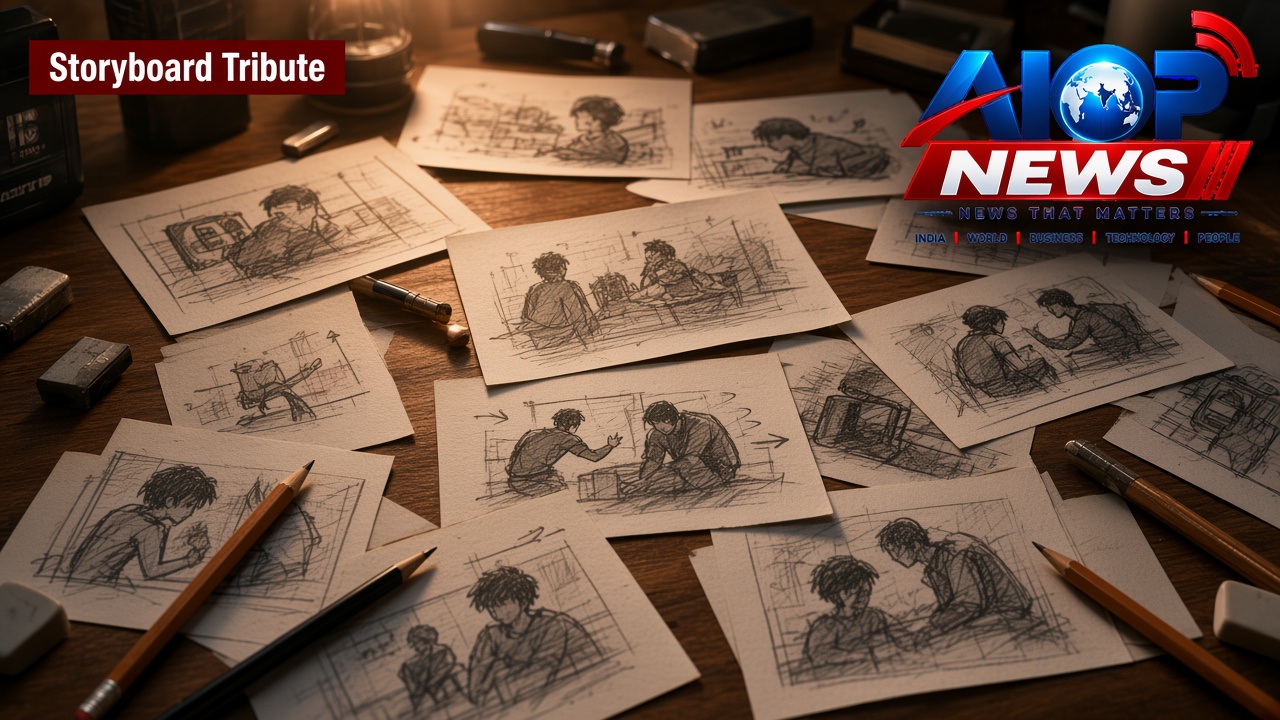
Throughout his career, J. Todd Anderson established himself as one of the film industry’s most dependable visual illustrators. Storyboard artists serve a crucial function in the filmmaking ecosystem, translating script pages into detailed sequential drawings that map out camera angles, actor movements, lighting concepts, and sequence pacing before filming begins.
Anderson was particularly well known for his extensive work as a longtime Coen Brothers collaborator. The Coen Brothers, famous for their meticulous visual planning and distinct cinematic style, relied heavily on storyboard art to prepare their shots. Anderson’s ability to capture tone, comedy, and suspense through quick, expressive sketches made him an invaluable asset in mapping out complex sequences.
In addition to his frequent projects with the Coen Brothers, Anderson contributed storyboard art to a wide variety of popular films, including the classic comedy Raising Arizona and the hit action-comedy The Nice Guys. His drawings provided crucial visual roadmaps that helped guide directors, cinematographers, and production crews in realizing intricate scenes on set.
The Power of Storyboard Art in Modern Cinema
While actors and directors often receive the spotlight, storyboard artists like J. Todd Anderson are instrumental in crafting the fundamental language of cinema. Pre-visualization through storyboards allows filmmakers to test narrative pacing, design visual gags, refine action choreography, and ensure efficient set operations. Anderson’s artistic talent bridged the gap between raw script writing and finalized cinematography.
For decades, Anderson's drawings helped visualize comedic set pieces, dramatic beats, and signature camera movements. His craft allowed productions to solve logistical visual challenges during pre-production, ensuring that the director's vision could be executed seamlessly once cameras rolled on set.
Engaging Film Fans Through "Filmically Perfect"
Beyond his behind-the-scenes work on high-profile film sets, Anderson was passionate about sharing his knowledge of movies and art with the public. He served as co-host of the podcast "Filmically Perfect" alongside George Willeman. Through the podcast, Anderson offered insights into cinematic techniques, discussed movie history, and gave audiences a deeper appreciation for the technical and artistic craftsmanship involved in movie-making.
Willeman remembered his colleague on Facebook, announcing Anderson's death following his fight with cancer and commemorating their shared work and friendship. The loss is deeply felt by listeners of the podcast and members of the film production community who valued Anderson's deep knowledge and passion for the medium.
Remembering a Visual Mastermind
J. Todd Anderson leaves behind an impressive legacy that lives on through some of the most celebrated movies of recent decades. From early career highlights like Raising Arizona to fan-favorite hits like The Nice Guys and his long relationship with the Coen Brothers, his visual artistry remains embedded in modern film history.
As Hollywood reflects on his career, Anderson is remembered not only as a talented illustrator but as a vital contributor to the art of cinematic storytelling. His work behind the scenes helped shape moments that continue to resonate with audiences around the world.