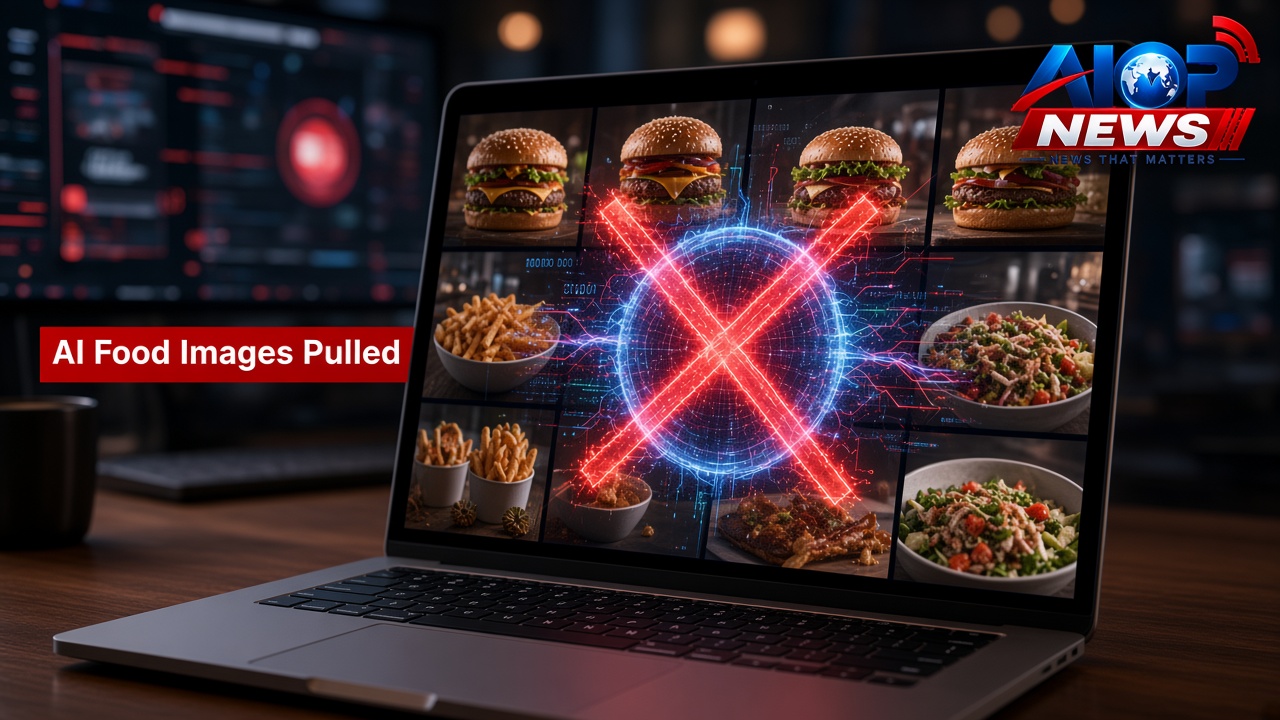
In an era where digital innovation drives modern commerce, the integration of Artificial Intelligence can sometimes yield unintended results. Food delivery giant Just Eat has found itself at the center of a viral social media storm after deploying AI-generated imagery that left customers and online commentators baffled. Following widespread ridicule across various digital platforms, the company has issued a formal apology, pulled the inaccurate visuals, and temporarily halted the rollout of the controversial software.
The Rise and Fall of Automated Food Visuals
The controversy began when users noticed peculiar, unrealistic, and sometimes downright bizarre depictions of meals generated by Just Eat's new software tool. Rather than appetizing culinary presentations, the automated images showcased distorted ingredients and impossible dishes. As screenshots of these digital errors circulated online, social media users quickly seized the opportunity to mock the system, turning the software's glitches into a viral sensation.
The misstep highlights the ongoing challenges businesses face when adopting emerging digital tools without sufficient quality control. While many corporations race to integrate automated systems to streamline operations and marketing, consumer-facing technologies can backfire rapidly if they fail to meet basic standards of realism and appeal.
Company Response and Next Steps
In response to the public backlash, a Just Eat spokesperson issued a formal apology regarding the faulty visual content. The company acted swiftly to contain the situation, confirming that all inaccurate AI images are currently being scrubbed from its platforms. Furthermore, Just Eat has decided to pause the broader rollout of the tool to reevaluate its performance and reliability.
This incident serves as a cautionary tale for the broader Technology sector regarding the premature deployment of automated systems. As highlighted in recent reporting by the BBC, companies must navigate the delicate balance between adopting cutting-edge advancements and maintaining brand integrity.
Looking Ahead for Automated Marketing
As organizations continue to experiment with machine learning and automated content generation, consumer vigilance remains high. Just Eat's decision to pause its software rollout demonstrates a commitment to addressing user feedback and rectifying technical oversights. Whether the delivery platform will reintroduce a refined version of the tool in the future remains to be seen, but for now, the focus is squarely on damage control and ensuring digital accuracy.
To read more about how major brands are navigating digital transformations, visit our dedicated Technology section.