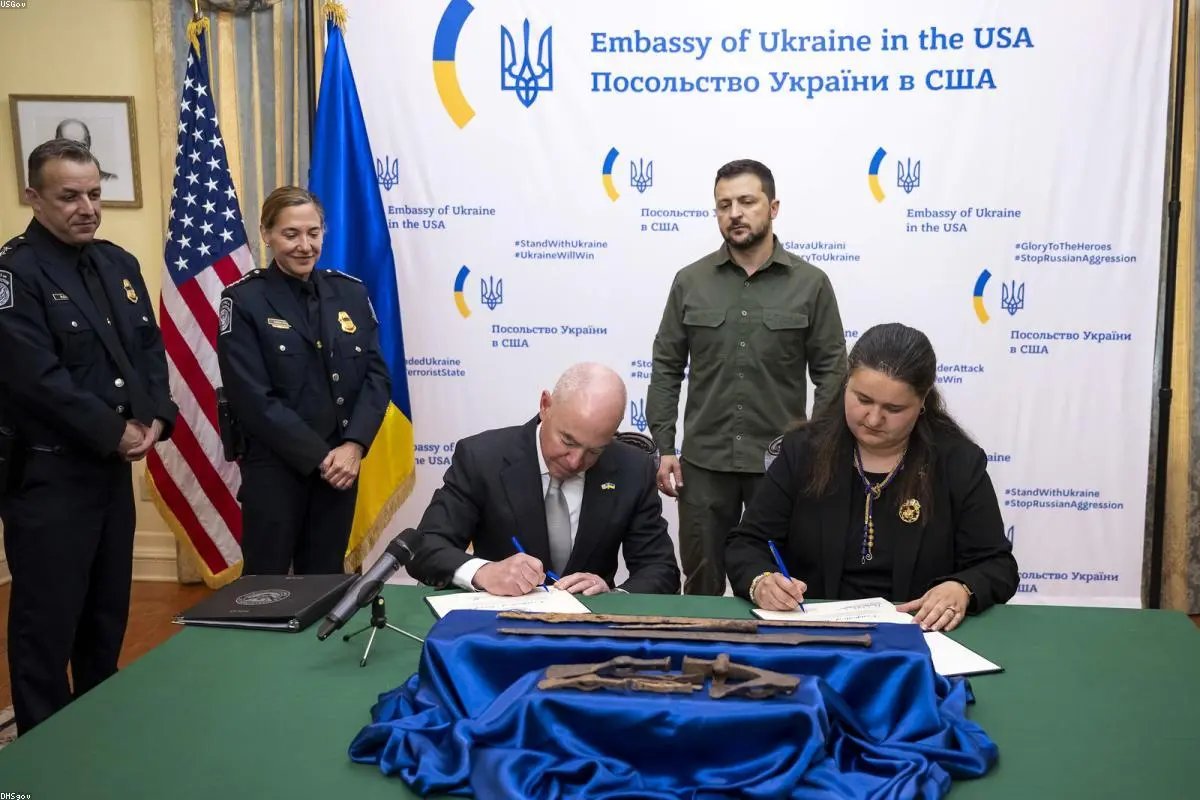
In a dramatic escalation of geopolitical tensions, a key bridge in Kyiv has been struck during a fresh wave of Russian drone attacks. The targeted bombardment coincided with an unannounced, high-profile visit to the Ukrainian capital by German Chancellor Olaf Scholz. The juxtaposition of a devastating strike on critical infrastructure and a surprise diplomatic mission highlights the volatile state of the ongoing conflict and the intensifying pressure on European leadership.
Escalation on the Ground: Kyiv's Infrastructure Under Fire
The latest assault on Kyiv saw Russian forces deploy multiple waves of kamikaze drones, zeroing in on the city's transport and energy infrastructure. The strike on the Kyiv bridge is particularly significant, symbolizing Russia's continued strategy to disrupt logistics, civilian movement, and the flow of vital supplies as winter approaches. Eyewitnesses reported loud explosions echoing across the capital in the early hours, followed by rising columns of black smoke near the damaged structure.
Ukrainian air defense systems were heavily engaged throughout the night, successfully intercepting numerous unmanned aerial vehicles (UAVs). However, the damage to the bridge underscores the persistent vulnerability of even the most heavily defended urban centers. Local authorities have urged residents to remain vigilant, as these targeted strikes on civilian and transport infrastructure appear designed to inflict maximum psychological and economic distress.
Scholz's Surprise Visit: Diplomatic Solidarity Amid Conflict
Against this backdrop of smoke and sirens, German Chancellor Olaf Scholz arrived in Kyiv on a surprise visit aimed at demonstrating unwavering European support. As the war enters a critical phase, Scholz’s presence serves as a powerful signal of solidarity. This visit is particularly crucial for international relations, as European leaders grapple with the future of Western military and financial assistance to Ukraine.
Upon his arrival, Scholz was briefed on the morning's drone strikes and met with Ukrainian President Volodymyr Zelensky. The discussions focused heavily on enhancing Ukraine's air defense capabilities—a request that has become increasingly urgent as Russia intensifies its aerial campaigns.
New Defensive Commitments and Domestic Pressures
During the meetings, Chancellor Scholz reaffirmed Germany’s commitment as one of Ukraine's leading military backers. Germany has recently pledged additional air defense systems, including IRIS-T units, which have proven highly effective in protecting Ukrainian airspace. However, Scholz continues to face immense political pressure both at home and within the broader international community regarding the limits of German military aid, particularly his refusal to supply long-range Taurus missiles.
According to a report by the BBC, this surprise trip is Scholz's first visit to Ukraine in over two years, occurring at a time when Germany is preparing for snap federal elections. This domestic political context adds another layer of complexity to Germany’s foreign policy decisions and its role in European defense.
The Shifting Dynamics of International Aid
The timing of the visit and the simultaneous strikes are no coincidence. They occur at a juncture of profound uncertainty within the global political landscape. With shifting leadership in the United States and evolving political dynamics across European capitals, the sustainability of coalition-backed aid is under intense scrutiny. Leaders in the international security sector warn that any hesitation from Western allies could embolden further Russian aggression.
Germany's role as a cornerstone of European defense is now more critical than ever. The surprise visit is designed to reassure Kyiv that Europe will not falter, even as political shifts across the Atlantic threaten to alter the trajectory of the war.
Concluding Summary
The drone strike on the Kyiv bridge, occurring alongside German Chancellor Olaf Scholz’s surprise diplomatic mission, perfectly encapsulates the dual reality of the current conflict: relentless kinetic warfare on the ground and high-stakes diplomacy behind closed doors. As Germany navigates its own domestic political challenges, Scholz's visit sends a clear message of European resilience. However, the smoking ruins of Kyiv's infrastructure serve as a grim reminder that without continuous, robust international support and advanced air defense systems, the road ahead for Ukraine remains fraught with peril.