The Lifesaving Power of Human Milk Donation
For many new mothers, breastfeeding is a challenging but deeply rewarding journey. However, for one generous donor, that journey evolved into a mission to save lives. After realizing she had an oversupply, she decided to donate a staggering 100 litres of breast milk to help vulnerable babies. Her story, which has recently garnered widespread attention, shines a light on the often-overlooked necessity of human milk banks in our Health system.
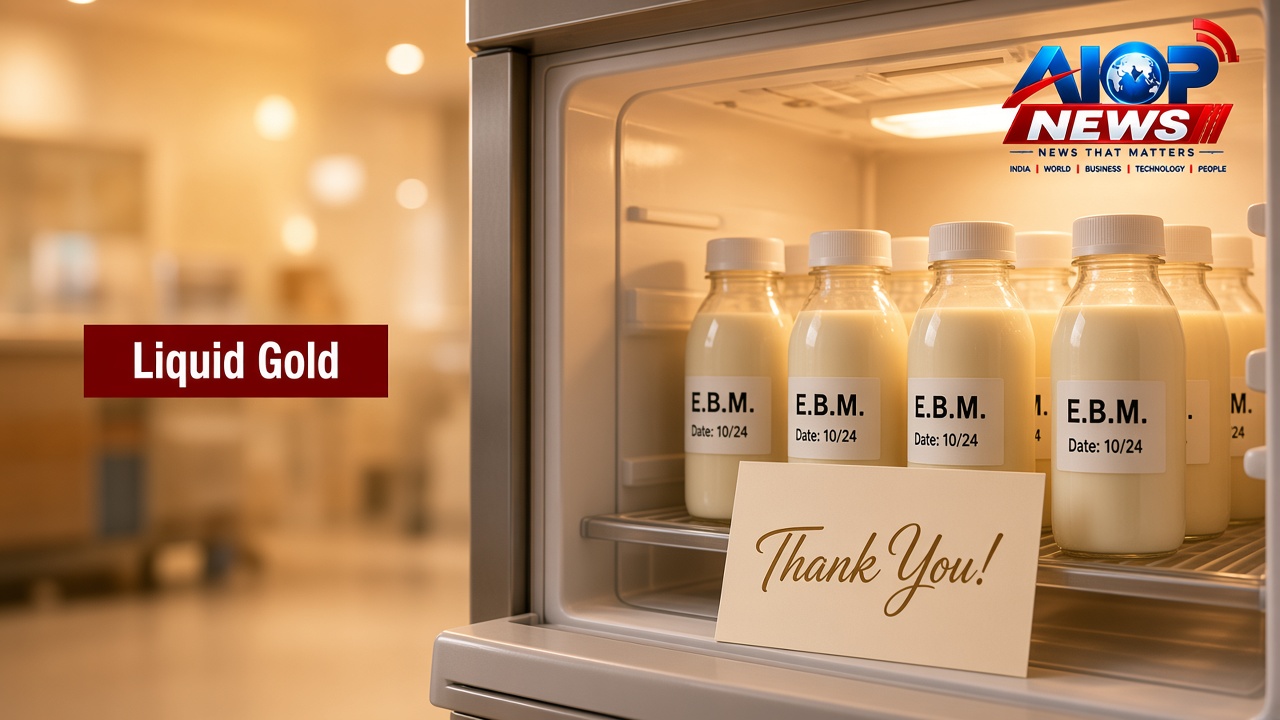
The decision to donate such a significant volume is not just an act of kindness; it is a vital contribution to pediatric medicine. Breast milk is frequently referred to as 'liquid gold' because it provides essential antibodies, nutrients, and growth factors that are irreplaceable for premature or sick infants who may not be able to receive milk from their own mothers.
Why Breast Milk Banks are Essential
Human milk banks act as a bridge between surplus supply and critical demand. According to a recent report featured on BBC News, the demand for donor milk in neonatal intensive care units (NICUs) continues to rise. Donated milk is often the first line of defense against necrotizing enterocolitis, a serious intestinal disease that affects premature infants.
The Strict Screening Process
Prospective donors must undergo a rigorous screening process before their milk is accepted. This includes blood tests for infectious diseases, as well as thorough questionnaires regarding lifestyle, medications, and diet. This ensures that every drop of milk provided to hospitals is safe, pasteurized, and meets the highest clinical standards. By donating 100 litres, this mother has essentially provided thousands of individual feedings, each one contributing to the overall well-being and recovery of fragile newborns.
Overcoming Challenges and Breaking Taboos
The act of milk donation is still surrounded by myths and misconceptions. Many people are unaware that milk banks even exist, let alone how they function. By sharing her story, the donor hopes to normalize the conversation around breastfeeding and the altruistic act of donating excess supply. The process of pumping, storing, and transporting such a large quantity of milk requires dedication, discipline, and a significant time commitment—an impressive feat for any parent.
A Lasting Impact on Infant Health
The ripple effect of this donation is profound. Each litre helps stabilize a fragile baby’s immune system, allowing them to grow stronger and healthier. For parents of these infants, receiving donor milk can be a source of immense relief and hope during what is often the most stressful period of their lives.
Conclusion: How You Can Help
The selfless act of donating 100 litres of breast milk serves as a poignant reminder of the power of community support in the health sector. If you are a nursing mother with an oversupply, donating your milk can make an immeasurable difference to an infant’s survival. Organizations globally are always looking for donors to keep their stocks consistent. By choosing to donate, you are providing the greatest gift possible: a healthy start to life for those who need it most.