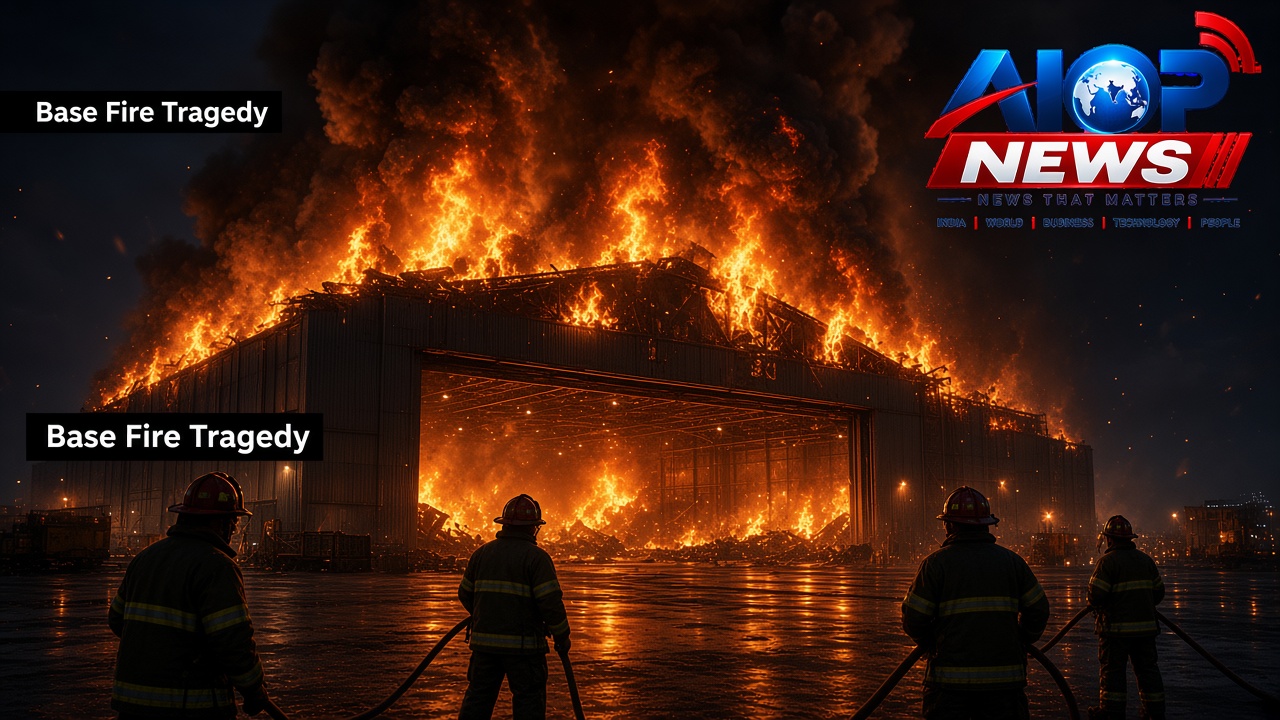
A severe emergency has unfolded in Canada following a major fire at a domestic military installation, resulting in casualties. According to emerging reports, several individuals have been confirmed dead or injured following the blaze at Canadian Forces Base Wainwright.
The incident has drawn urgent attention across the International news landscape, raising concerns over safety and operational response at major defence installations. Officials monitoring the incident have so far withheld detailed metrics regarding the precise number of casualties and the initial cause of the fire, pointing to the volatile nature of the event.
Emergency Unfolds at Canadian Forces Base Wainwright
Canadian Forces Base Wainwright, an expansive and critical military training facility, became the site of intense emergency operations after the major fire broke out. First responders and base emergency personnel have been working under difficult conditions to contain the threat and attend to personnel on site.
While the scale of destruction is not yet fully detailed, authorities have acknowledged that several individuals have either lost their lives or sustained injuries. The priority for base leadership and rescue teams remains focused on life safety, immediate medical interventions, and stabilising the surrounding area to prevent further harm.
Authorities Describe Situation as 'Very Active and Delicate'
In their initial communications, military and government officials have deliberately declined to provide a confirmed death toll or pinpoint the underlying cause of the disaster. Representatives have formally described the ongoing emergency as a "very active and delicate" situation.
Such phrasing underscores the ongoing hazards present during and immediately following large-scale structure or facility fires on military grounds. In incidents of this magnitude, emergency teams must ensure that fire containment is secured, secondary hazards are neutralised, and precise headcounts are reconciled before accurate public numbers can be distributed.
The Complexities of Military Facility Emergencies
Responding to significant incidents within military installations presents distinct operational challenges. Unlike civilian residential or commercial environments, defence bases frequently house specialised infrastructure, regulated storage units, and complex training grounds. When a severe blaze erupts, containment protocols must balance rapid fire suppression with the strict security measures mandated across defence perimeters.
Consequently, safety officials are often required to exercise extreme caution before granting clearance to investigative teams. The ongoing delicacy of the site at CFB Wainwright suggests that rescue teams and site engineers are systematically navigating the damaged area to prevent additional flare-ups and ensure the physical stability of impacted facilities.
Information Flow and Public Reporting
As the incident continues to develop, updates are being closely followed worldwide. Initial coverage from international outlets, including reports highlighted by BBC News, reflects the strict information blackout surrounding casualty counts while primary responders maintain tactical focus on site stabilisation.
Government officials typically coordinate casualty notifications through private channels to notify next of kin prior to releasing figures publicly. This standard protocol is designed to ensure families receive confirmed, verified information directly from military liaison officers rather than through initial media accounts.
Summary and What Comes Next
The major fire at Canadian Forces Base Wainwright represents a significant tragedy marked by loss of life and critical injuries. With authorities characterising the environment as both active and delicate, further public updates regarding the total death toll, condition of the wounded, and the origin of the fire are anticipated once emergency services declare the scene fully secure.
Until full-scale technical investigations can begin, official communications are expected to remain tightly controlled to preserve the integrity of ongoing rescue operations and support the safety of military personnel and emergency crews on the ground.