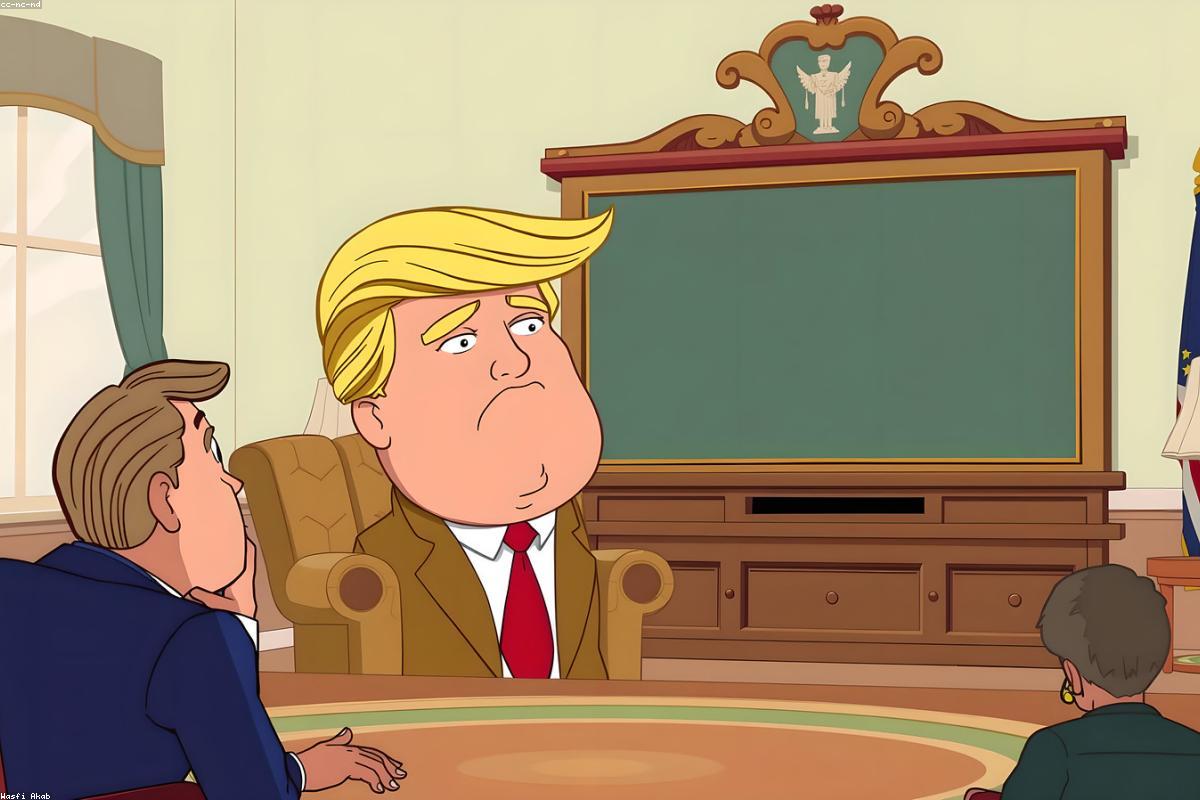
Major Investor Raises Alarm Over UK Economic Future
In a development that has sent shockwaves through the corporate world, billionaire industrialist and Manchester United co-owner Sir Jim Ratcliffe has publicly stated that he has lost confidence in the United Kingdom. As the founder and CEO of petrochemical giant INEOS, Ratcliffe’s pessimistic outlook on the nation's business environment highlights mounting anxieties among elite entrepreneurs regarding the current trajectory of the British economy.
Ratcliffe’s comments, initially reported by major outlets including a recent BBC news report, bring renewed attention to the ongoing debates surrounding national taxation, infrastructure development, and industrial strategy. For more related updates and economic analysis, explore our Business section.
Key Factors Driving Investor Hesitation
The billionaire's loss of faith is not an isolated sentiment; it reflects broader frustrations within the global investment community. Several systemic issues continue to challenge the UK’s competitive edge on the international stage:
- Regulatory Hurdles: Lengthy bureaucratic processes and strict planning laws often delay vital infrastructure and industrial projects.
- Taxation Pressures: Concerns over corporate tax rates and fiscal policies that may discourage long-term capital investment.
- Energy Costs: High industrial energy prices compared to international competitors, severely impacting manufacturing sectors.
INEOS, one of the world's largest chemical producers, has frequently clashed with regulatory bodies over expansion plans and environmental policies within the UK, often looking abroad for more lucrative and streamlined investment opportunities.
Implications for Manchester United and British Industry
While Ratcliffe's recent acquisition of a minority stake in Premier League giant Manchester United cemented his cultural footprint in the UK, his core commercial interests lie in heavy industry and manufacturing. Analysts suggest that his public critique could serve as a powerful warning shot to policymakers. If major wealth creators feel alienated by current legislative frameworks, the UK risks facing a severe brain drain and a significant shortfall in foreign and domestic direct investment.
The government faces a delicate balancing act. Officials must address the concerns of industrialists who demand deregulation and competitive tax incentives, all while managing public finances and commitments to green energy transitions.
Concluding Summary
Sir Jim Ratcliffe’s loss of confidence in the UK serves as a critical wake-up call for policymakers and financial analysts alike. As global markets become increasingly competitive, the British government must navigate complex industrial demands to restore faith among top-tier investors. Whether this warning will trigger meaningful economic reform or prompt further capital flight remains one of the most pressing questions for the nation's financial future.