Massive Attack Duo Barred from Singapore Over Palestinian Flag Display: A Clash of Art and State
The world of live music often serves as a stage not just for sound, but for statement. Yet, sometimes those statements hit a sour note with host nations, leading to unexpected repercussions. Such is the case for two members of the revered British electronic group, Massive Attack, who have reportedly been banned from Singapore after displaying a Palestinian flag during a recent concert in the city-state.
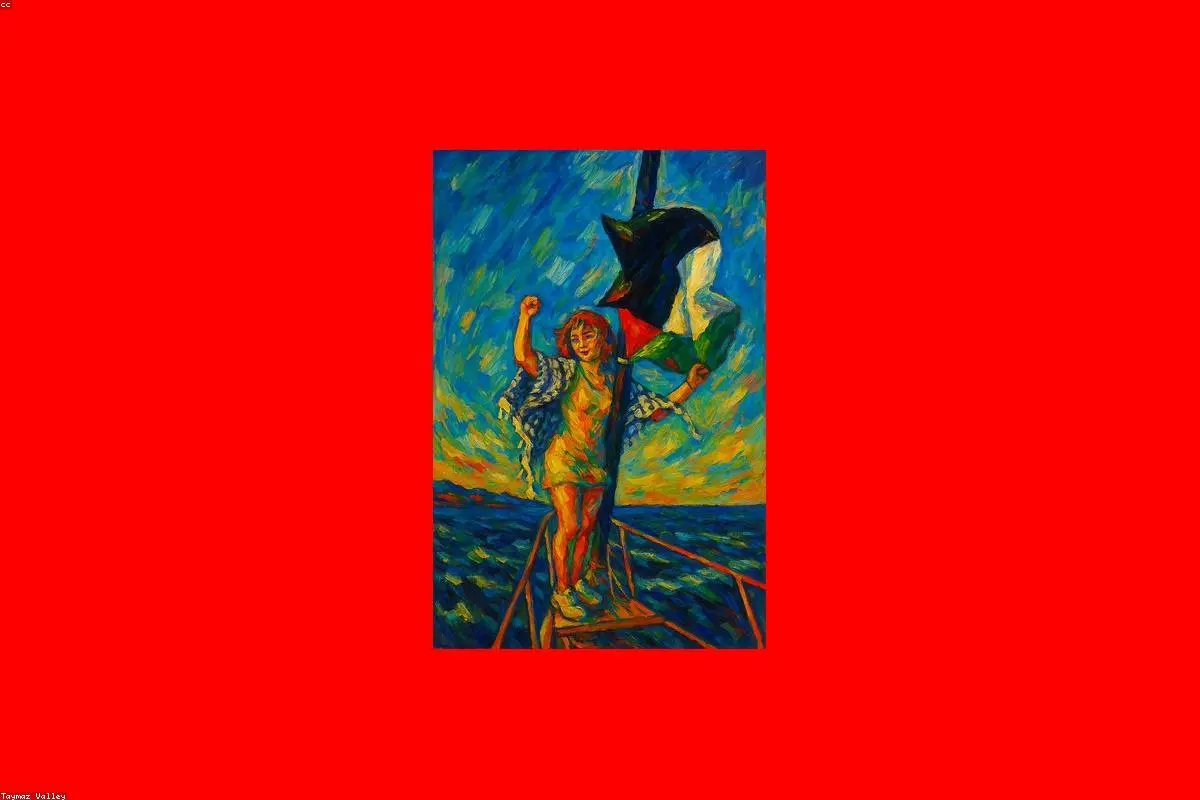
The news, initially reported by Variety, confirms that Robert Del Naja and Grant Marshall, the core duo behind Massive Attack, are now barred from entering Singapore. The incident in question occurred during their concert, where they reportedly unfurled a Palestinian flag on stage. While a potent symbol of solidarity for many, this act quickly ran afoul of Singapore's stringent policies regarding public assembly and the display of foreign political symbols.
Singapore's Unwavering Stance on Public Order and Neutrality
For those unfamiliar with Singapore's socio-political landscape, this ban might seem an extreme reaction. However, the Lion City has a long-standing and often strictly enforced stance on maintaining public order and preventing the importation of foreign political or racial conflicts. The government frequently emphasizes the importance of social cohesion in its multi-racial and multi-religious society, viewing any public act that could be perceived as taking sides in international disputes as a potential threat to domestic harmony.
Officials in Singapore have consistently communicated that public spaces, including concert venues, are not platforms for political activism, especially regarding sensitive international issues. This policy extends to performers and audiences alike. Artists performing in Singapore are typically expected to adhere to these guidelines, focusing purely on their artistic craft without venturing into political commentary or displays that could be deemed divisive.
Massive Attack's History of Activism and Expression
This incident, while significant, isn't entirely out of character for Massive Attack. Robert Del Naja, also known as 3D, and Grant Marshall, or Daddy G, have a long history of using their platform to advocate for various humanitarian and political causes. From anti-war sentiments to environmental activism and support for refugees, their music and public appearances often carry a strong socio-political undercurrent. Their commitment to social justice is well-documented, making the display of the Palestinian flag a consistent, albeit contextually problematic, act of expression for the duo.
This commitment often resonates deeply with their global fanbase, who appreciate the band's willingness to speak truth to power. However, it also places them in a tricky tightrope walk when performing in nations with strict public order laws, where artistic freedom might be viewed through a different lens than in many Western countries.
Wider Implications for Entertainment and Artistic Freedom
The ban on Massive Attack's core members raises important questions about the intersection of artistic freedom, national sovereignty, and the global nature of the Entertainment industry. For artists, it underscores the need to be acutely aware of local laws and cultural sensitivities when touring internationally. What might be acceptable, or even celebrated, in one country can lead to severe consequences in another.
On the flip side, it highlights the challenges faced by nations like Singapore, which prioritize national unity and stability above all else. They must balance the desire to host world-class live performances and attract renowned artists with their commitment to maintaining domestic peace and preventing external conflicts from spilling onto their shores.
This incident could serve as a stark reminder for other touring musicians and performers. While the allure of live performances is undeniable, the stage can also become a flashpoint when artistic expression clashes with a host nation's regulatory framework. As the global music scene continues to expand, such clashes are likely to become more frequent, prompting ongoing debates about the boundaries of free speech and the responsibilities of touring artists.
Ultimately, the Singapore ban on Massive Attack's duo is more than just a punitive measure; it's a profound commentary on the complex relationship between art, politics, and national identity in an increasingly interconnected yet fractured world. Fans of the influential electronic outfit, and indeed the broader music industry, will be watching closely to see how this incident influences future concert tours and the delicate balance between creative expression and compliance with local laws.