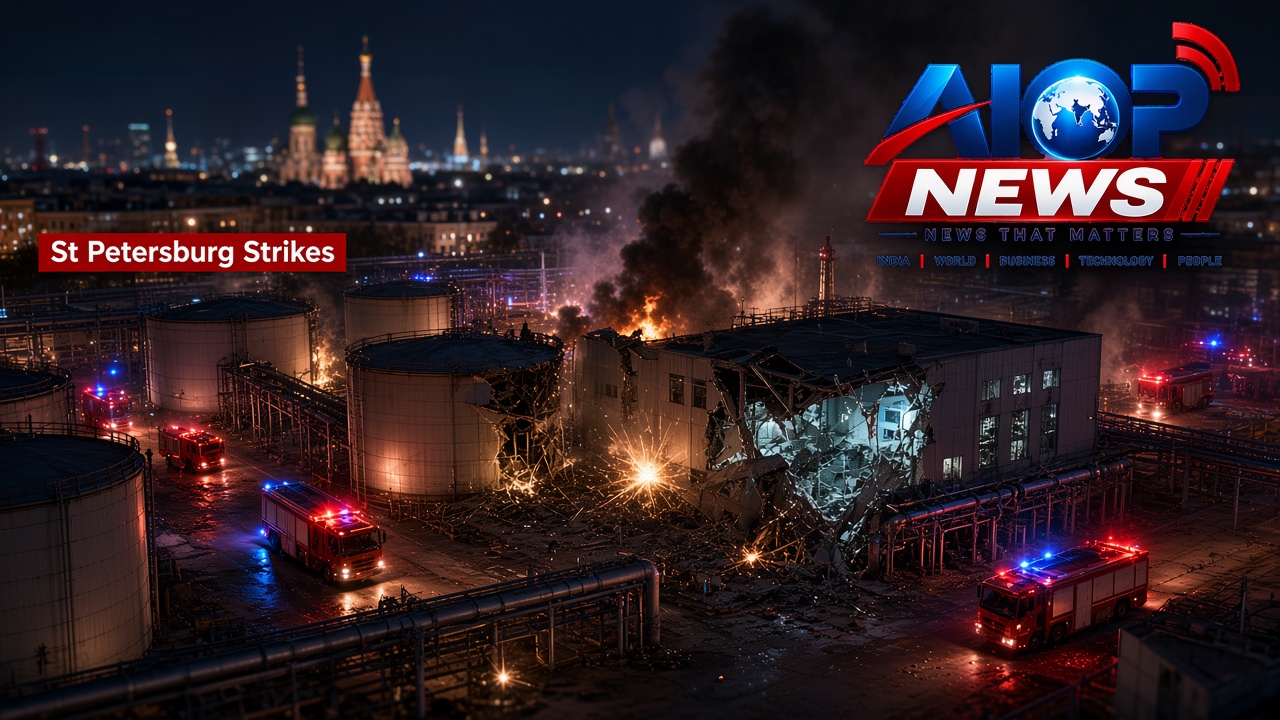
Middle East Tensions Spike: Missiles Intercepted Near Riyadh After Saudi Coalition Strikes Yemen Fuel Depot
October 13, 2026 – The protracted Middle East conflict saw another tense day as Saudi air defenses successfully intercepted several missiles targeting the capital, Riyadh. This defensive action occurred mere hours after the Saudi-led coalition announced a decisive strike on a critical fuel depot located near Sanaa, the Houthi-controlled capital of Yemen. The rapid succession of these events underscores a significant escalation in hostilities, fueling widespread concerns over regional stability and the dire humanitarian situation in Yemen.
Escalation in the Yemen Conflict
The Saudi-led coalition, a key player in the ongoing conflict against the Houthi movement in Yemen, confirmed early today that its forces had targeted a fuel depot. This facility, strategically located near Sanaa, is reported to be under the control of the Houthi faction. Such strikes are typically characterized by the coalition as concerted efforts to neutralize military capabilities and logistical support utilized by the Houthis for launching attacks on Saudi territory and crucial maritime routes. The ongoing aerial campaign by the coalition aims to undermine the Houthis' operational capacity, particularly their ability to procure and distribute essential resources that could be repurposed for military use. These actions are part of a broader strategy to exert pressure on the Houthi movement and secure Saudi Arabia’s borders against cross-border incursions and missile threats that have persisted throughout the conflict.
Riyadh's Defenses Activated
Following the coalition’s strike in Yemen, the skies over Riyadh became a flashpoint as Saudi air defense systems were activated. Several missiles, the precise number and origin of which have yet to be officially disclosed, were intercepted effectively. Residents reported hearing explosions, a familiar sound in the capital during periods of heightened tension, as the robust defenses successfully neutralized the incoming threats. The successful interception highlights the advanced capabilities of Saudi Arabia's air defense infrastructure, which remains crucial for protecting its population centers and critical infrastructure from recurring aerial assaults. These interceptions are a stark reminder of the persistent security challenges faced by Saudi Arabia as the conflict in Yemen continues to spill over its borders, demanding constant vigilance and robust defensive measures.
A Cycle of Retaliation and Regional Stability
The latest exchange of fire exemplifies the entrenched cycle of strikes and counter-strikes that has characterized the Yemen conflict for years. Each action from one side often precipitates a reaction from the other, perpetuating a state of heightened tension across the region. This dynamic poses significant challenges to International Relations and all efforts aimed at achieving a lasting peace in the Middle East. Experts closely monitoring the Middle East conflict often point to these escalations as deterrents to diplomatic solutions, making it increasingly difficult to bring the warring parties to the negotiating table for meaningful dialogue. The international community frequently calls for restraint, recognizing that a stable Gulf region is vital for global economic and political interests, particularly concerning energy supplies and shipping lanes.
Humanitarian Concerns Amidst Prolonged Conflict
Beyond the immediate military maneuvers, the protracted nature of the Yemen conflict continues to exact a devastating toll on the civilian population. Years of warfare, blockades, and economic collapse have plunged millions into severe humanitarian crisis, with widespread food insecurity, limited access to healthcare, and mass displacement. While today's events directly relate to military operations, they inevitably contribute to the broader instability that exacerbates the humanitarian plight of the Yemeni people. International organizations and aid agencies consistently highlight the urgent need for unfettered access for humanitarian assistance and a comprehensive cessation of hostilities to alleviate the immense suffering in Yemen.
International Community's Stance
The international community remains deeply concerned by the ongoing hostilities in Yemen and their implications for broader regional security. Global powers and organizations routinely issue statements urging all parties to the conflict to exercise maximum restraint and prioritize diplomatic efforts over military confrontation. The focus is often on achieving a comprehensive political settlement that respects Yemen's sovereignty and territorial integrity, while also addressing the legitimate security concerns of neighboring states. There is a broad consensus among international observers that only a political solution, rather than continued military action, can bring an end to the suffering and establish long-term stability in the embattled nation and the wider Middle East.
Today’s events—the Saudi-led coalition's strike on a Houthi fuel depot near Sanaa, swiftly followed by the interception of missiles over Riyadh—underscore the volatile nature of the Yemen conflict. As the cycle of action and retaliation persists, the urgency for a political resolution grows more acute. The international community watches on, hoping for de-escalation that could pave the way for peace talks and alleviate the dire humanitarian situation in Yemen. For further details on this developing story, please refer to the original report by BBC News: https://www.bbc.co.uk/news/articles/crx2d60y1py3o?at_medium=RSS&at_campaign=rss.