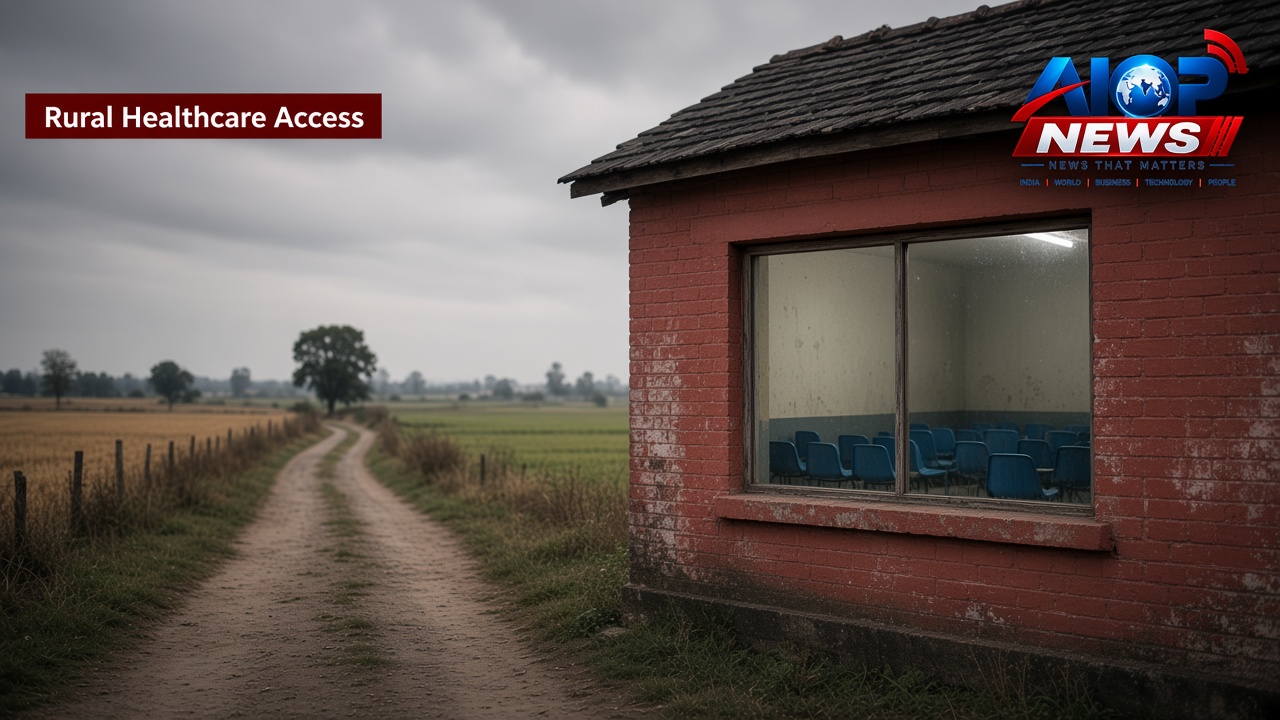
The Hidden Challenges of Missing Health Backgrounds
For most people, routine visits to the doctor involve answering a standard set of questions regarding their parents' and grandparents' health. From heart disease and diabetes to hereditary cancers, knowing your family medical history is often treated as a vital roadmap for preventative medicine. However, a significant portion of the population faces a distinct disadvantage: they simply do not know their biological health background.
Individuals who have been adopted, raised in foster care, or experienced separation from their biological families frequently encounter substantial barriers when trying to access these critical health records. As highlighted in a recent report by the BBC, people who have been adopted or in care sometimes struggle to access family medical history which would be crucial to their own health.
Why Family Medical History Matters for Patient Safety
Healthcare professionals rely heavily on inherited health patterns to assess individual risk factors and recommend early screenings. Without a clear picture of genetic predispositions, patients and doctors alike are often forced to operate in the dark. This information gap can delay the detection of hereditary conditions, making proactive wellness management significantly more difficult.
When vital ancestral health data is missing, symptoms that might otherwise prompt targeted screenings or specialized genetic testing can be overlooked or treated merely as isolated incidents. This places a heavier burden on diagnostic medicine, requiring healthcare providers to rely entirely on current symptoms rather than predictive risk assessment.
Navigating the Healthcare System Without a Blueprint
For those navigating the healthcare system without the benefit of a biological family tree, advocating for one's own well-being requires heightened vigilance. Patients are encouraged to maintain open, thorough dialogues with their primary care providers about their information limitations. In response, medical professionals must adapt their approach to patient evaluation, focusing on comprehensive lifestyle assessments and broader diagnostic evaluations.
Efforts to improve record-keeping and access for adoptees continue to be an important conversation within modern medicine, emphasizing the need for systemic improvements in how genealogical health data is retained, protected, and shared.
Conclusion
Understanding your genetic background is an undeniable advantage in modern medicine, but lacking it does not mean compromising on care. By acknowledging the challenges faced by those who have been adopted or raised in care, the medical community can better support patients navigating health decisions without a traditional roadmap. To read more about this issue, visit the original coverage on BBC News. For further insights and resources, explore our comprehensive Health section.