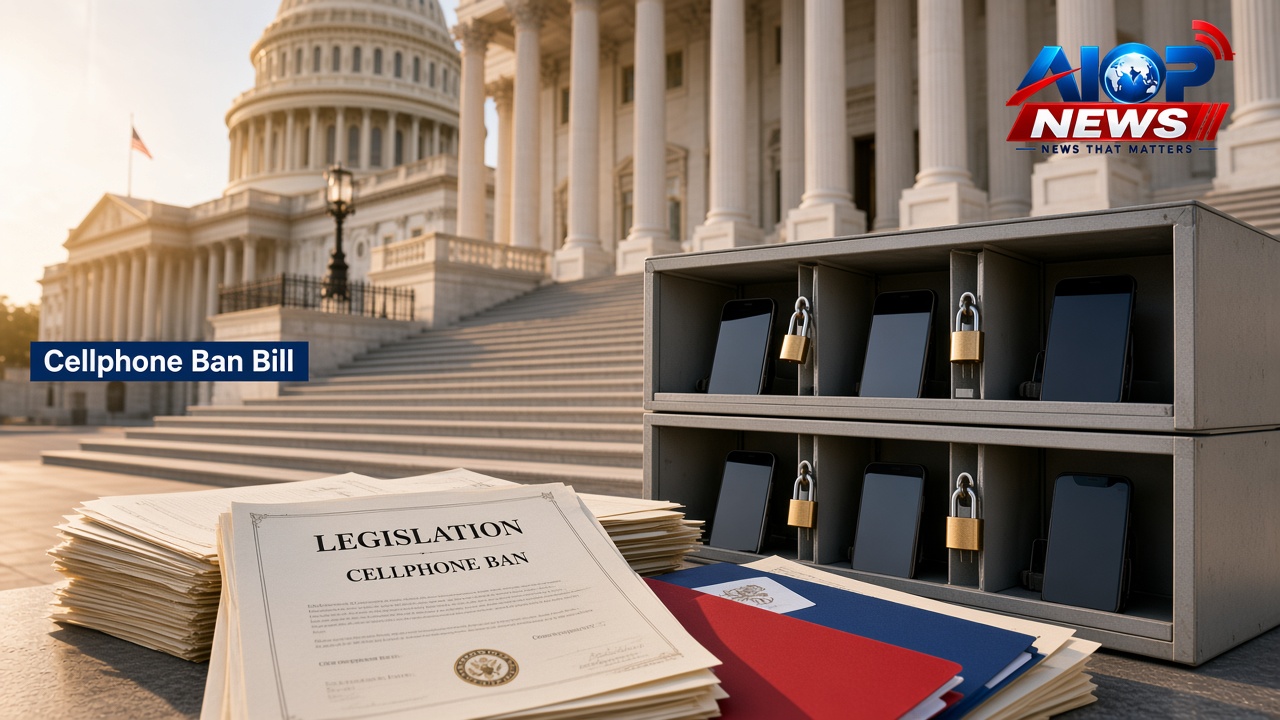
Bipartisan Congressional Push Targets Smartphones in K-12 Classrooms
As the debate over technology in the classroom intensifies nationwide, a new bipartisan bill introduced in Congress aims to provide tangible support for school districts looking to curb student smartphone usage. The proposed legislation comes at a time when educators, parents, and policymakers are increasingly grappling with the disruptive impact of personal devices on the learning environment.
The measure seeks to empower local educational agencies by offering federal resources, best practices, and guidance to successfully implement comprehensive cellphone bans or strict limitations during instructional hours. For more insights on how educational policies are shifting across the country, visit our Education section.
Addressing Mental Health and Academic Distractions
For years, teachers have reported that constant notifications, social media apps, and text messaging severely undermine student focus. Beyond academic concerns, lawmakers behind the bill emphasized the growing correlation between excessive screen time, cyberbullying, and declining youth mental health.
By removing smartphones from the equation during the school day, proponents argue that students will have better opportunities to engage in face-to-face socialization, focus on core curriculum, and reduce anxiety levels linked to digital peer pressure.
What the Legislation Proposes
While the bill does not impose a federal mandate forcing every district to lock up phones, it creates a supportive framework for local leaders who want to take action. Key components of the legislation include:
- Federal Guidance: Establishing a clearinghouse of evidence-based strategies for managing personal digital devices.
- Resource Allocation: Assisting schools with the logistical costs of secure storage solutions, such as magnetic pouches or lockers.
- Community Engagement: Providing frameworks to help administrators communicate effectively with parents regarding new tech policies.
A Growing National Trend Among School Districts
The push in Washington mirrors a broader grassroots movement happening at state and local levels. Across the United States, numerous states and hundreds of independent school boards have already enacted restrictions ranging from "bell-to-bell" bans to rules requiring phones to remain inside backpacks throughout the day.
According to recent reports, detailed extensively by sources like Education Week, public support for these measures has surged. Parents who were once hesitant about losing immediate contact with their children during emergencies are increasingly recognizing the toll that unchecked digital access takes on daily student engagement.
Looking Ahead: Challenges and Implementation
Despite strong bipartisan backing, implementing nationwide or even district-wide restrictions is not without its logistical hurdles. Administrators must address pushback from some families, establish fair enforcement policies, and determine how to handle exceptions for students with specific medical or educational needs.
Nevertheless, proponents remain optimistic that federal backing will give educators the leverage and financial assistance needed to reclaim the classroom from digital distractions.
Conclusion
The introduction of this bipartisan bill marks a significant milestone in the national conversation surrounding technology and youth development. By helping schools enforce practical cellphone restrictions, lawmakers hope to foster healthier, more productive classrooms where students can truly thrive academically and socially.