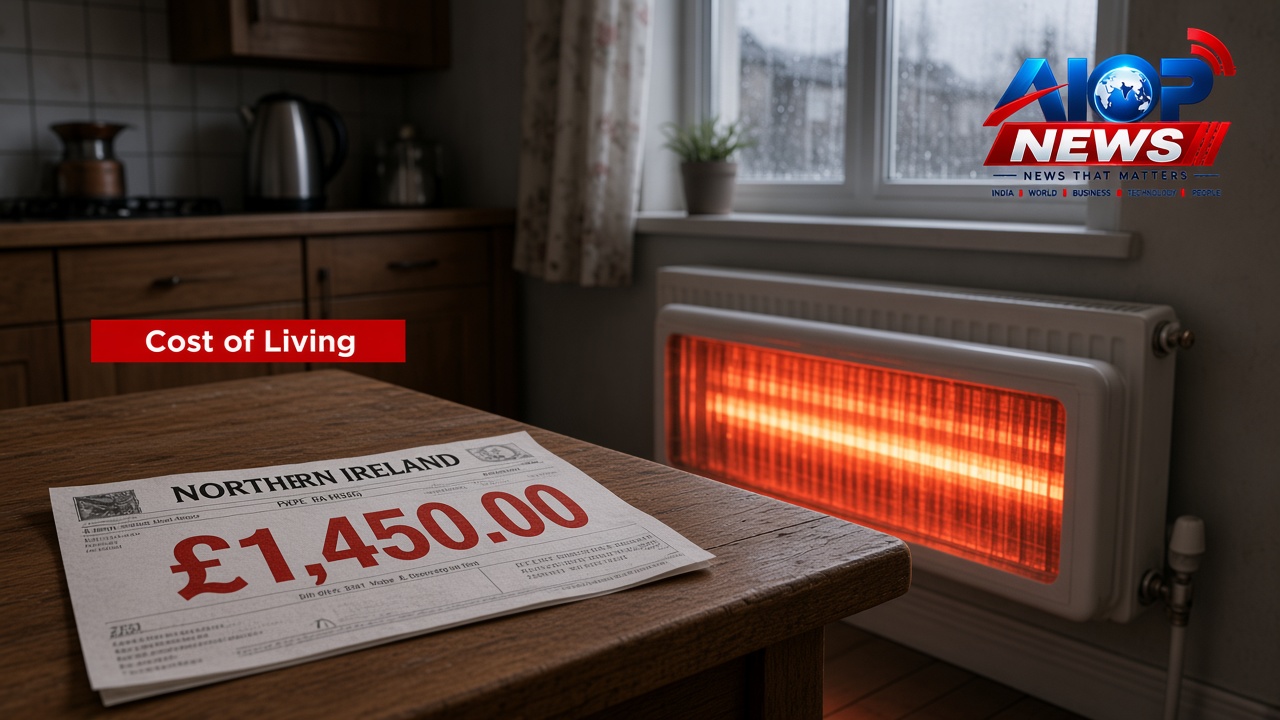
Consumers across Northern Ireland are bracing for a challenging winter as a fresh wave of rising energy costs threatens to exacerbate the already severe cost of living crisis. With utility providers announcing tariff hikes, households are finding their disposable income increasingly squeezed, raising concerns about the broader impact on the regional economy.
The latest updates, originally reported by the BBC, highlight a worrying trend for both domestic consumers and commercial enterprises. As energy bills climb, the financial strain is expected to ripple through various sectors, affecting everything from high street retail to essential services.
The Direct Impact on Household Budgets
For the average household in Northern Ireland, energy bills represent a significant portion of monthly outgoings. Unlike other parts of the UK, a vast majority of homes in Northern Ireland rely on home heating oil, which is subject to highly volatile global market prices. Combined with rising electricity and gas tariffs, consumers are facing a compounding financial burden.
Economists warn that these rising utility prices act as a regressive tax, disproportionately hitting low- and middle-income families. As basic survival costs—such as heating and food—consume a larger share of household budgets, discretionary spending is inevitably cut back. This shift in consumer behavior poses a direct threat to the regional business landscape, which relies heavily on local consumer confidence.
Wider Implications for the Northern Ireland Economy
The intersection of high inflation and escalating energy tariffs is creating a hostile environment for local industries. When consumers tighten their belts, businesses feel the squeeze immediately.
The Squeeze on Retail and Hospitality
Northern Ireland's vibrant retail and hospitality sectors are particularly vulnerable. Restaurants, cafes, and independent shops are already grappling with their own rising operational costs, including increased wage bills and higher commercial energy tariffs. A drop in consumer footfall and spending could force many struggling businesses to make difficult decisions regarding staffing and viability.
Supply Chain and Manufacturing Pressures
Beyond consumer-facing sectors, manufacturing and logistics firms in Northern Ireland are also feeling the heat. Energy-intensive industries are finding it increasingly expensive to maintain production levels. To survive, some businesses may be forced to pass these costs down the supply chain, ultimately resulting in even higher prices for end consumers—a vicious cycle of inflationary pressure.
Call for Targeted Intervention
As the situation intensifies, consumer advocacy groups and business leaders are calling on policymakers to intervene. While previous energy support schemes provided temporary relief, many argue that long-term, structural solutions are required to protect vulnerable households and stabilize the local economy.
Suggested measures include enhanced energy efficiency schemes, greater investment in renewable energy infrastructure to reduce dependence on fossil fuels, and targeted financial support for those most at risk of fuel poverty this winter.
Conclusion: A Challenging Path Ahead
In summary, the rise in energy costs in Northern Ireland is more than just a domestic inconvenience; it is a significant macroeconomic challenge. As households redirect their hard-earned money toward keeping the lights on and homes warm, the local business ecosystem faces a period of prolonged uncertainty. Navigating this crisis will require coordinated efforts from government body representatives, energy suppliers, and community leaders to ensure that Northern Ireland's economic foundation remains resilient.