Pioneering Same-Day Test: A Game-Changer for Infection Detection in Intensive Care
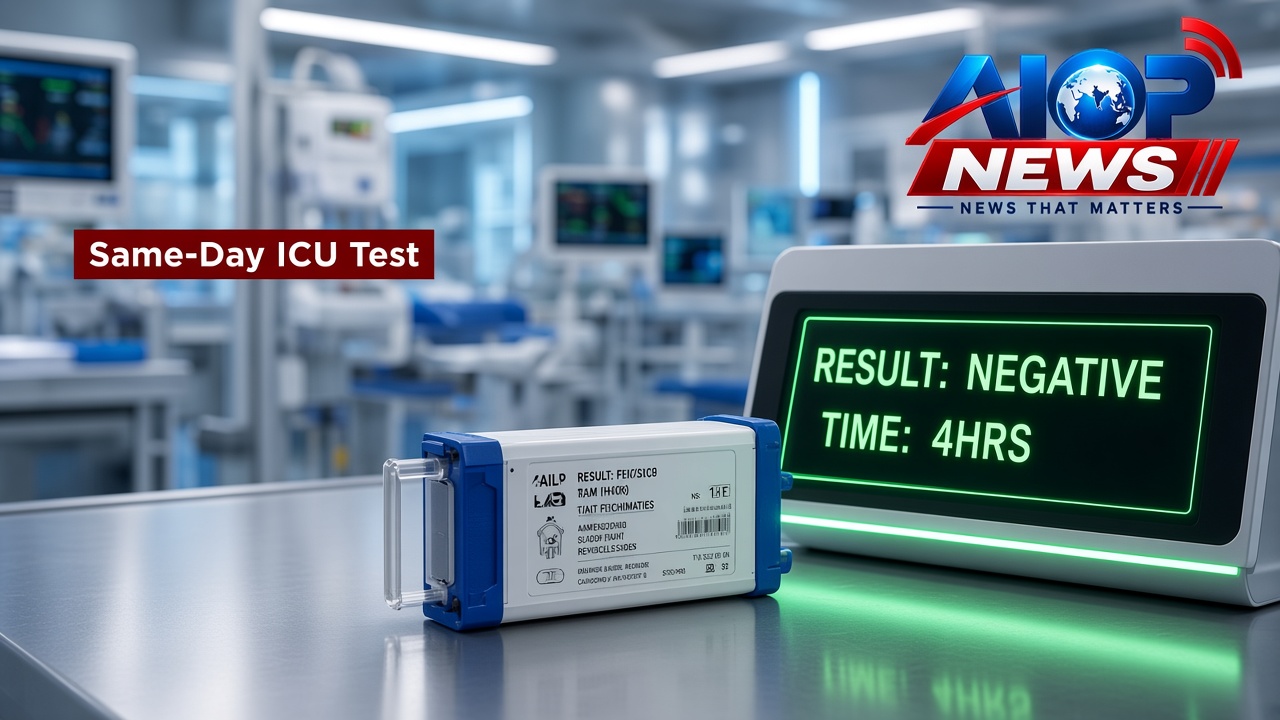
A significant medical breakthrough is poised to transform patient care in intensive care units (ICUs) worldwide. A pioneering new same-day test for infection detection has emerged, offering a rapid and crucial tool that has already been credited with saving lives. This advanced diagnostic method specifically targets the challenging environment of critical care, where timely and accurate identification of infections is paramount to patient survival and recovery.
The innovation provides a new, highly efficient way of identifying infections in intensive care patients, a group particularly vulnerable to severe complications from pathogens. The speed and precision of this test mark a substantial leap forward in medical diagnostics, potentially altering treatment pathways and significantly improving clinical outcomes for the most fragile patients. The impact of such rapid intervention cannot be overstated, offering clinicians the ability to make informed decisions far sooner than traditional methods allow.
The Urgent Need for Rapid Diagnostics in Critical Care
Intensive care units are environments where every hour counts. Patients admitted to ICUs often suffer from severe illnesses, compromised immune systems, or are recovering from major surgeries, making them highly susceptible to hospital-acquired infections. Detecting these infections quickly is critical because delays can lead to sepsis, organ failure, and even death. Traditional methods for identifying specific pathogens can often take days, during which time a patient's condition can deteriorate rapidly.
The new same-day test directly addresses this critical challenge. By providing results within hours rather than days, it empowers medical teams to administer targeted treatments much faster. This not only improves the chances of successful recovery but also helps in the judicious use of antibiotics, a key factor in combating the growing threat of antimicrobial resistance. The ability to identify the exact infection swiftly means that broad-spectrum antibiotics, which can contribute to resistance, can be replaced with more specific, effective treatments sooner.
Revolutionizing Patient Safety and Treatment Protocols
The advent of this pioneering test fundamentally reshapes the approach to patient safety in critical care settings. For an intensive care patient, a rapid diagnosis can mean the difference between life and death, as highlighted by a report indicating the test "saved her life." This specific example underscores the profound human impact of such technological advancements in health. Early detection allows for immediate intervention, preventing the infection from spiraling out of control and causing irreversible damage.
Furthermore, the test's ability to offer a "new way of detecting infections" suggests a novel mechanism or improved methodology beyond current gold standards. This could involve advanced molecular diagnostics or highly sensitive detection techniques that pick up pathogens at earlier stages or with greater accuracy. The implications extend to reducing the length of hospital stays, alleviating pressure on ICU beds, and ultimately contributing to more efficient healthcare system operations.
A Glimpse into the Future of Medical Diagnostics
As of October 18, 2026, this same-day test represents a significant milestone in medical innovation. It highlights a growing trend towards rapid, precise, and accessible diagnostic tools that empower clinicians and improve patient care across the spectrum of healthcare. The successful implementation and reported life-saving outcomes of this test suggest a promising future for diagnostic medicine, particularly in high-stakes environments like intensive care.
The technology offers a blueprint for future developments in infection control and patient management. Continued research and development in similar areas could lead to even more comprehensive and faster diagnostic capabilities, further enhancing global public health preparedness against infectious diseases. The insights gained from pioneering tests like this are invaluable for developing robust healthcare strategies.
Conclusion: A New Hope for Critical Care Patients
The introduction of this pioneering same-day test for infection detection marks a monumental step forward for intensive care medicine. By enabling rapid and accurate diagnosis, it provides clinicians with an unprecedented advantage in the fight against life-threatening infections, directly contributing to enhanced patient safety and improved recovery rates. The reported success, including an instance where the test 'saved her life', serves as a powerful testament to its transformative potential.
This innovation not only addresses an urgent need in critical care but also sets a new standard for diagnostic capabilities across the healthcare sector. As medical science continues to advance, technologies like this same-day test will be crucial in safeguarding the health of the most vulnerable patients and reinforcing the resilience of healthcare systems globally. Further details on this development can be found in reports, including one by the BBC: https://www.bbc.co.uk/news/videos/crlykvl8pgxwo?at_medium=RSS&at_campaign=rss.