How AI is Transforming Modern Agriculture
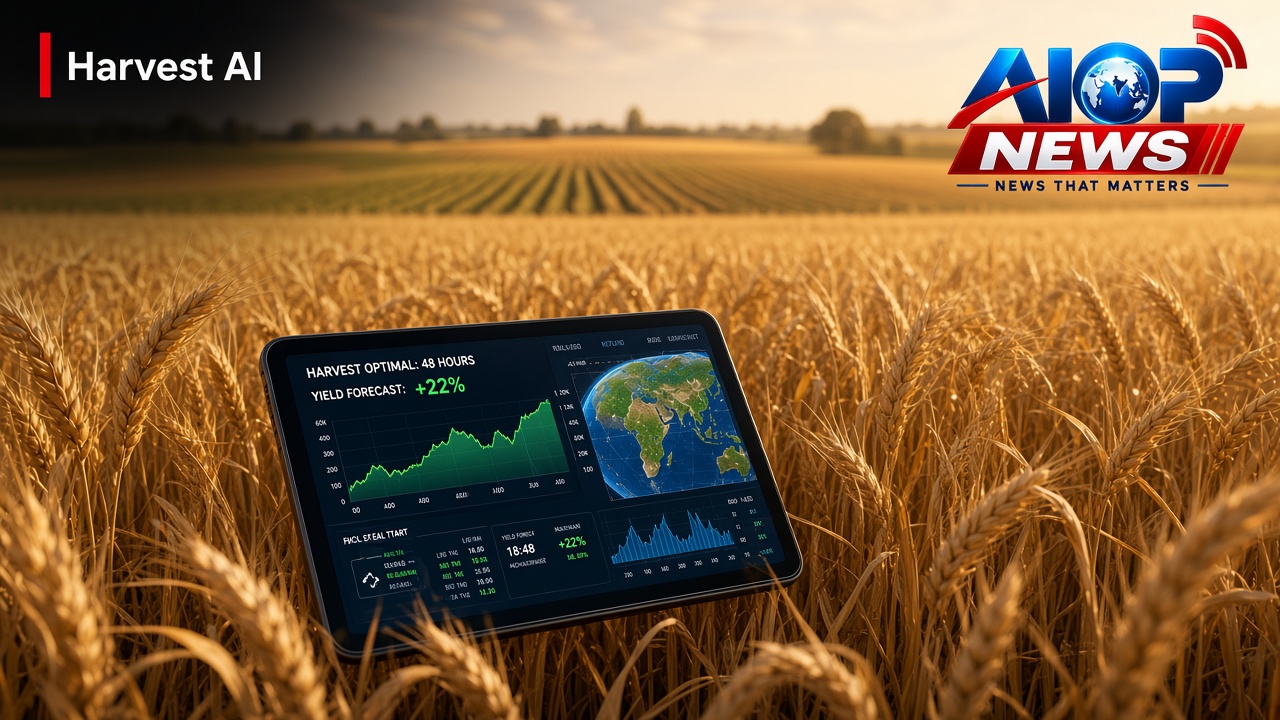
Artificial intelligence is no longer confined to tech boardrooms and digital marketing agencies; it is now taking root in the world's fields and orchards. A groundbreaking new AI system is changing the game for farmers by predicting the precise moment crops are ready for harvest. By analyzing a complex web of environmental data, this technology is bridging the gap between traditional farming and high-tech business innovation.
According to a recent report by the BBC, this cutting-edge tool uses machine learning algorithms to assess crop maturity with a level of accuracy that human intuition simply cannot match. For agricultural companies looking to optimize their Business strategies, adopting these smart-farming solutions is becoming the new standard for operational efficiency.
The Science Behind Smart Harvesting
So, how does an algorithm know when a fruit or vegetable is at its peak? The AI systems ingest vast amounts of real-time data, including:
- Satellite imagery tracking canopy development and color changes.
- Soil sensor metrics measuring moisture and nutrient levels.
- Local microclimate forecasts tracking temperature fluctuations and rainfall.
By synthesizing these variables, the AI generates predictive models that guide farmers on the exact day—and sometimes even the exact hour—to begin harvesting. This precision minimizes food waste and ensures that produce reaches grocery store shelves at peak freshness and nutritional value.
Economic Impact and Market Efficiency
For the agricultural corporate sector, timing is everything. Harvesting too early results in underripe, low-value produce, while waiting too long can lead to crop spoilage and massive financial losses. Implementing AI-driven harvest tools significantly reduces financial risk and enhances supply chain predictability.
Furthermore, labor shortages have plagued the agricultural industry in recent years. With AI providing accurate forecasts weeks in advance, farm managers can better allocate seasonal labor and machinery, driving down overhead costs and boosting overall profit margins.
The Future of AgTech Investments
As venture capitalists and industry leaders look for the next big disruption, AgriTech (agricultural technology) continues to attract substantial investments. The success of AI harvest-prediction models signals a broader shift toward data-centric management in farming. Companies that fail to integrate these advanced analytics risk falling behind competitors who are already reaping the rewards of automation.
Conclusion
The integration of artificial intelligence into farming marks a monumental shift in how we produce and manage food. By taking the guesswork out of harvesting, this technology not only secures higher yields for growers but also stabilizes food supply chains globally. As these AI tools become more sophisticated, they will undoubtedly become an indispensable asset for the future of commercial agriculture.