Devastating Strike in Frontline City Claims Dozens of Lives
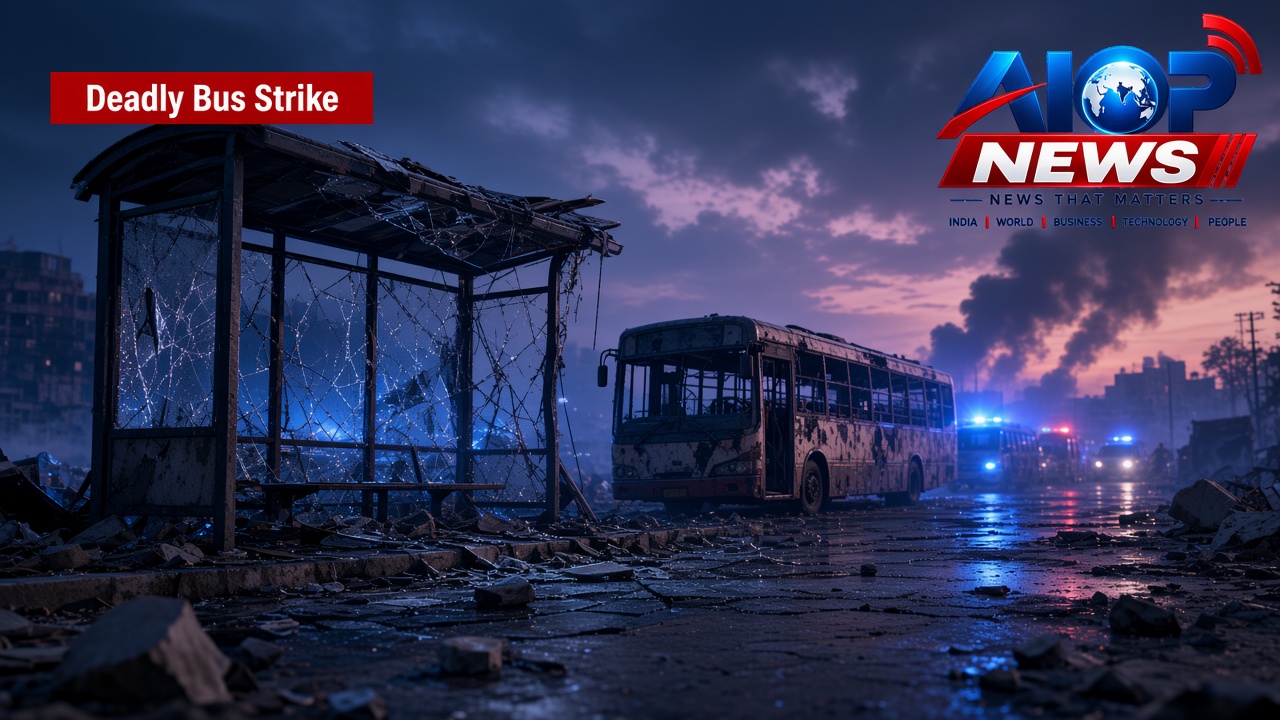
A devastating Russian strike on buses in a frontline Ukrainian city has left at least 33 people dead, according to government officials. This tragic incident comes amid a sharp and deadly surge in attacks across Ukraine, intensifying concerns over the safety of civilians caught in the crossfire of the ongoing conflict. As the security situation deteriorates, the tragedy has once again turned the focus of the global community toward the region, highlighting the profound human cost of the escalating warfare.
The strike, which directly targeted public transport, has sparked immediate outrage. According to reports from the region, the vehicles were crowded with passengers at the time of the attack. Ukrainian authorities have openly accused Russian forces of deliberately choosing the location and timing of the strike to inflict the maximum possible harm on the civilian population. This event represents one of the deadliest single incidents in recent weeks, underscoring the high risks faced by those living in close proximity to the front lines.
Accusations of Direct Targeting and Human Toll
Officials in Ukraine have emphasized the crowded nature of the scene, stating that the targeting of public buses was a calculated move designed to kill as many civilians as possible. In frontline cities, where transport options are often limited and highly relied upon by residents seeking to go about their daily routines or evacuate dangerous areas, such strikes carry catastrophic consequences. The loss of 33 lives in this single event has sent shockwaves through local communities and has drawn sharp focus from observers covering International news.
The Context of Surging Violence
The tragedy occurs during a broader period of intensified hostilities. Over recent days, officials have reported a significant surge in deadly attacks across various regions of Ukraine. These escalated offensives have frequently hit civilian infrastructure, leading to growing concerns about the safety of non-combatants who remain in frontline territories. While military positions remain highly contested, the impact on civilian life continues to mount, raising serious questions about adherence to basic humanitarian principles in the conflict zones.
International Relations and Global Responses
The targeting of public transit infrastructure and civilian populations remains a highly contentious issue in the field of International Relations. Under international law, the deliberate targeting of civilian targets is strictly prohibited, and events such as the recent bus strike are closely monitored by global bodies and human rights organizations. As reports of the high death toll circulate globally, international observers are closely monitoring how foreign governments and international organizations will react to this latest escalation.
The incident has been widely reported by major media outlets, with initial details of the strike documented by the BBC. The report highlights the growing desperation and danger faced by citizens in frontline areas, where even routine activities like riding a bus have become life-threatening endeavors.
Conclusion: A Critical Moment in the Conflict
The loss of 33 lives in the frontline bus strike stands as a stark reminder of the escalating violence in Ukraine. With officials reporting a surge in deadly attacks and accusing opposition forces of intentionally targeting civilians to maximize casualties, the conflict appears to be entering an even more perilous phase. As the international community assesses the fallout from this tragedy, the focus remains on the protection of innocent lives and the urgent need for stability in the region.