Sabalenka's Unprecedented Pause: 'It's So Strong' – Cannabis Smell Halts Grand Slam Action
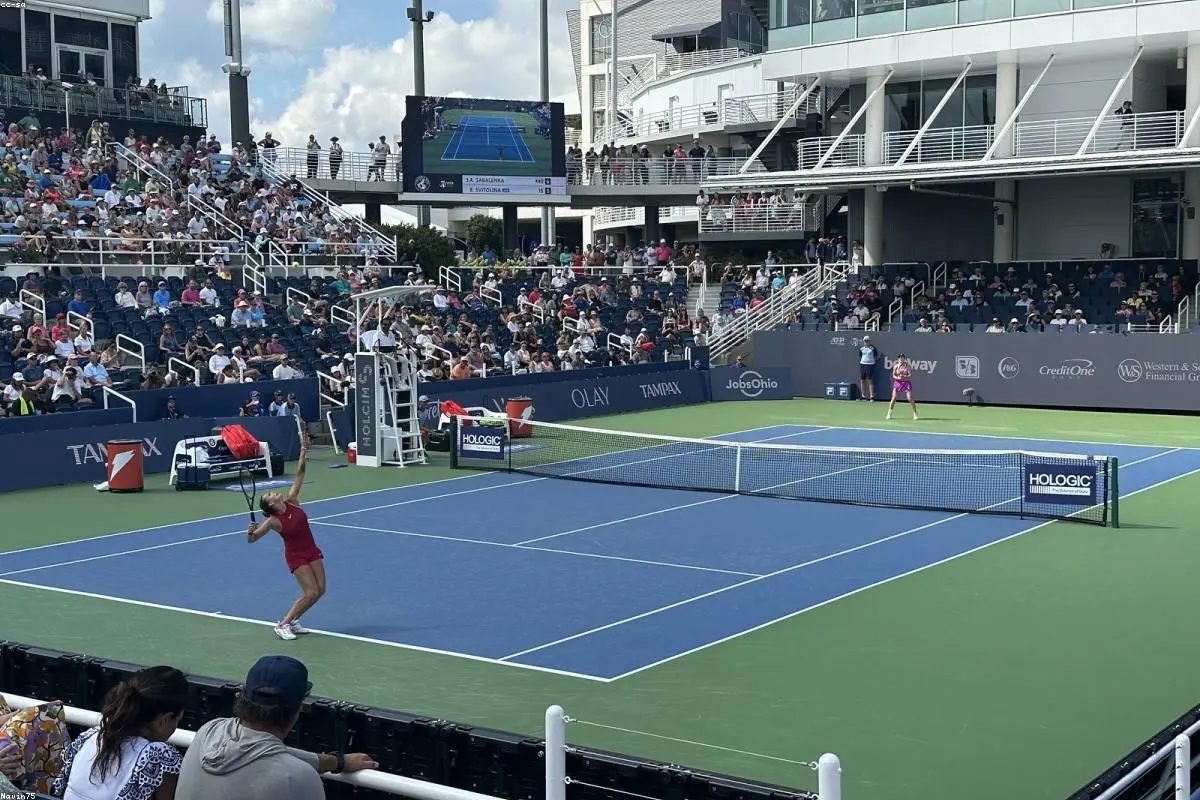
The world of professional tennis is accustomed to its fair share of drama, from nail-biting tie-breaks to heated on-court exchanges. Yet, few anticipated the truly unique spectacle that unfolded recently, when World No. 2 Aryna Sabalenka found herself so overwhelmed by a powerful aroma that she felt compelled to halt play. The scent in question? Cannabis, a smell she described as so potent it was distracting her during a crucial match.
The incident, widely reported by outlets including BBC Sport, saw Sabalenka approach the umpire's chair with a look of genuine disbelief and frustration. Her candid remark, "It's so strong," captured the immediate impact of the pungent smell. While the specifics of the tournament and opponent weren't immediately the focus, the image of a top athlete pausing mid-game over a spectator's choice of recreational activity quickly circulated, sparking conversations far beyond the tennis court.
When Aromas Disrupt Athletic Focus
For an elite athlete like Sabalenka, concentration is paramount. Every serve, every return, every movement requires an intense level of focus, free from external distractions. Fans cheering, camera flashes, even the occasional dropped item can be managed, but an omnipresent, strong smell presents a different kind of challenge. "I'm not sure if anyone is doing it, but I smell it. It's so strong," Sabalenka reportedly told the umpire, emphasizing the pervasive nature of the odor.
This wasn't a fleeting whiff; it was strong enough to penetrate the highly tuned environment of a professional tennis match, impacting a player who is known for her powerful game and steely determination. The pause, however brief, allowed officials to address the issue, albeit without a clear resolution immediately visible. It underscores the delicate balance required to manage live sporting events, where thousands of individuals gather, and their actions can sometimes inadvertently – or perhaps intentionally – infringe upon the integrity of the game.
A Growing Challenge for Sporting Venues
The legalization and decriminalization of cannabis in various parts of the world, including several states in the US and countries globally, have introduced a new dynamic for public events, especially large-scale sporting gatherings. While venues often have strict rules against smoking of any kind within their premises, the nature of cannabis smoke – its distinctive and often potent aroma – makes it particularly noticeable. Moreover, edibles or vaping might also contribute to a general 'weed smell' without direct smoking.
This incident isn't just a quirky anecdote; it's a potential harbinger of a broader challenge facing sports organizers worldwide. How do you balance individual freedoms and evolving societal norms with the need to maintain an optimal, distraction-free environment for professional athletes? The air quality on court, surprisingly, now joins factors like wind, sun, and court surface as potential elements influencing player performance. Ensuring a 'clean air' policy becomes increasingly complex when laws surrounding cannabis use are in flux.
The Impact on Player Performance and Fair Play
Beyond the immediate distraction, such an incident raises questions about fair play and athlete well-being. Could a strong, persistent smell subtly impair a player's focus, even if they aren't directly inhaling it? The subtle psychological impact of an unexpected and potent odor, especially one associated with intoxication, cannot be entirely dismissed. Athletes train for years, dedicating their lives to physical and mental peak performance. Anything that disrupts this delicate balance, no matter how seemingly trivial, can have consequences.
Tennis, in particular, demands unwavering mental fortitude. Players are often isolated on court, requiring immense internal focus to navigate high-pressure situations. An external sensory assault, like an overpowering smell, can break that concentration bubble, potentially affecting critical decisions or shot execution. This makes Sabalenka's decision to speak up not just a complaint, but a stand for the sanctity of the competitive environment.
Looking Ahead: What Does This Mean for Spectator Conduct?
While an immediate clampdown on cannabis use in stadiums might be the knee-jerk reaction, the reality is more nuanced. Education, clearer policies, and potentially more robust enforcement mechanisms will likely be considered by tournament organizers. The goal isn't to police personal choices outside the venue, but to ensure that fan conduct within the stadium does not inadvertently – or directly – impede the athletes' ability to compete at their highest level.
Sabalenka's unexpected pause served as a vivid reminder that the challenges of managing live sporting events are constantly evolving. From drones flying over courts to unexpected protests, and now, potent aromas, the show must go on, but not without acknowledging and adapting to these new realities. Her forthrightness in addressing the issue has certainly added a peculiar, yet thought-provoking, chapter to the ongoing story of fan engagement and professional sports.