The Invisible Engine of the Economy Hits a Price Ceiling
While most American drivers keep a nervous eye on the price of regular unleaded, a more critical shift has been happening in the shadows of the industrial sector. For the first time in history, US diesel prices have shattered all previous records, sending a jolt through the backbone of the nation's logistics network. This isn't just a headache for long-haul truckers; it is a developing crisis for any business that relies on moving goods from point A to point B.
According to recent data highlighted by the BBC in their coverage of the global energy crunch, the national average for a gallon of diesel has surpassed peaks not seen since the financial volatility of 2008. But unlike previous spikes, which were often temporary blips driven by short-term speculation, the current surge is rooted in deep structural issues that suggest high prices might be here to stay for the foreseeable future.
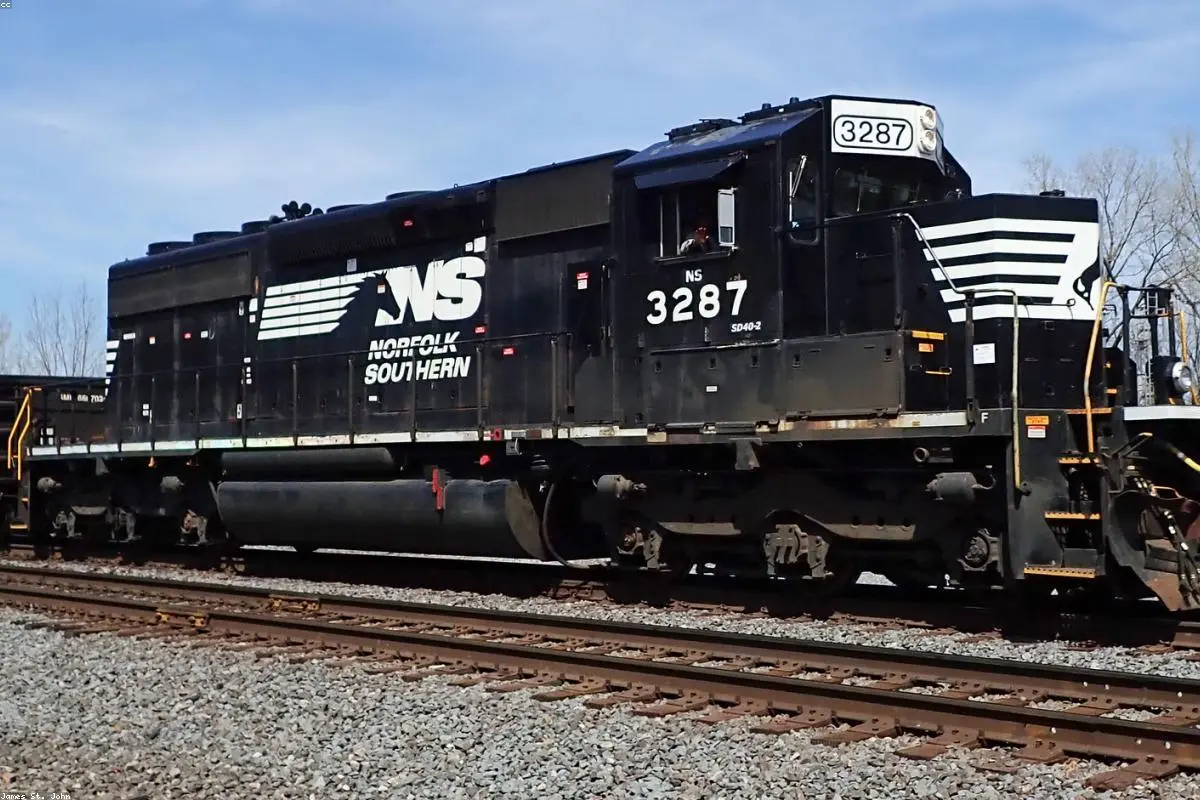
The implications for the broader Business landscape are profound. Diesel is the primary fuel for the trucks, trains, and ships that carry roughly 70% of all freight in the United States. When the cost of transport rises, those expenses rarely stay with the logistics company; they are passed down the supply chain, eventually landing squarely on the shoulders of the consumer.
Why is This Happening Now?
The surge to record highs is the result of a "perfect storm" of supply and demand factors. Globally, refining capacity—the ability to turn crude oil into usable fuels like diesel and jet fuel—has shrunk significantly. During the pandemic, several older refineries were shuttered or converted to biofuels, leaving the market with less "slack" to handle sudden demand spikes.
Furthermore, geopolitical tensions have disrupted traditional trade routes. With Europe pivoting away from Russian energy exports, the competition for non-Russian diesel has intensified. The US, which traditionally exports a portion of its refined products, is now finding its own domestic inventories at multi-decade lows, particularly in the Northeast corridor where heating oil (a close cousin to diesel) is in high demand.
The Ripple Effect on Inflation
Economists often refer to diesel as the "workhorse" fuel. While high gasoline prices might discourage a family from taking a road trip, high diesel prices act as a regressive tax on the entire economy. Here is how the impact trickles down:
- Agriculture: Farmers rely on diesel to power tractors, harvesters, and irrigation systems. As fuel costs rise, the price of planting and harvesting crops increases, leading to higher food prices at the supermarket.
- Construction: Heavy machinery used in infrastructure and housing projects is almost exclusively diesel-powered. This adds significant overhead to already expensive building projects.
- E-commerce: The "last-mile" delivery services we have come to rely on are seeing their margins evaporate, leading to higher shipping fees or increased membership costs for delivery services.
These factors contribute to a persistent inflationary environment. When a trucking company sees its fuel bill double in a year, they have no choice but to implement fuel surcharges. Those surcharges are then factored into the wholesale price of goods, which eventually dictates the price tag on the retail shelf.
A Competitive Disadvantage?
For small to medium-sized businesses, this price hike is more than just an inconvenience—it’s a threat to their survival. Unlike massive corporations with long-term fuel hedging contracts, smaller operators often pay the "spot price" at the pump. This puts them at a severe disadvantage, forcing many independent owner-operators to consider hanging up their keys for good.
The psychological impact of seeing $5.00 or even $6.00 per gallon on a digital billboard cannot be overstated. It signals to the market that the cost of doing business is rising, which often leads to a cooling of investment and a more cautious approach to expansion. If businesses are spending their capital just to keep their fleets moving, they have less to spend on innovation or hiring.
The Road Ahead
Is there any relief in sight? In the short term, the outlook remains clouded. Increasing refinery capacity is not a project that happens overnight; it takes years of investment and regulatory approval to bring new facilities online. While some politicians have called for a suspension of fuel taxes, many experts argue that such moves only stimulate more demand without addressing the underlying supply shortage.
As we navigate this period of record-breaking costs, the focus for many companies has shifted to efficiency. We are seeing a renewed interest in aerodynamic upgrades for trailers, route-optimization software, and even the acceleration of electric-vehicle pilot programs for short-haul deliveries. However, for the millions of gallons of diesel burned every day across the American heartland, there is currently no immediate substitute.
Until global production can catch up with the post-pandemic hunger for energy, the high cost of diesel will remain a heavy weight on the scales of the American economy. Stakeholders across all sectors will need to brace for a period of adjustment, where efficiency is no longer just a buzzword, but a necessity for staying in business.