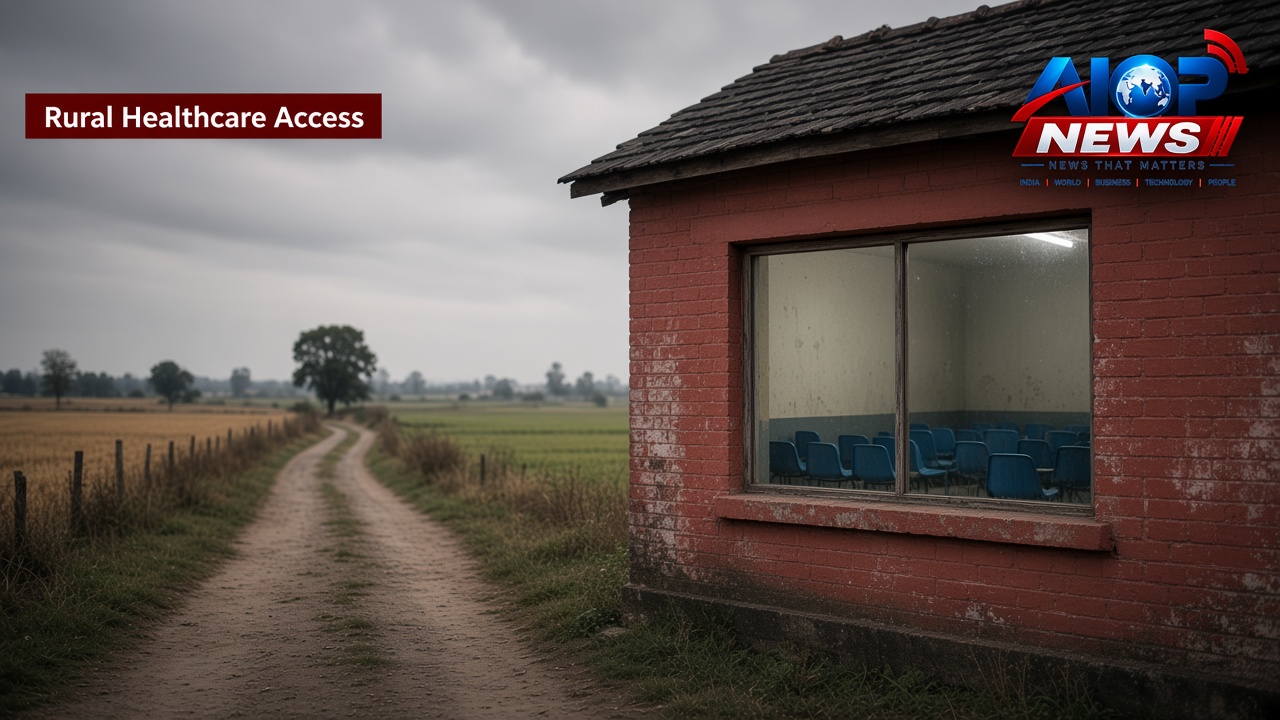
Stormont Facing Urgent Calls to Address Northern Ireland's Shifting Demographics
Northern Ireland is on the cusp of a significant societal transformation, with projections indicating that by 2027, the number of residents aged 65 and over will officially outnumber children for the first time. As this demographic milestone approaches, political pressure is mounting on Stormont to overhaul its long-term strategic planning to ensure that public services can adapt to the needs of an older population.
The warning comes amid growing concerns that the current approach to infrastructure and service delivery is insufficient to meet the challenges of an ageing society. Policy experts and advocacy groups are calling for an immediate shift in priorities to avoid a crisis in essential services.
The Impending Demographic Shift
Data suggests that the age structure of Northern Ireland is undergoing a rapid transition. As birth rates fluctuate and life expectancy increases, the burden on existing resources is expected to intensify. Analysts argue that the current political framework is still operating on outdated models that fail to account for a shrinking youth population and an expanding elderly demographic.
For those interested in the broader implications of these demographic trends on local services, further analysis can be found in our Health section.
Impact on Public Health and Social Care
A primary concern for policymakers is the sustainability of the regional healthcare system. An older population typically requires more complex care, leading to increased demand for medical resources, chronic disease management, and specialized social care support. Experts emphasize that without a dedicated, cross-departmental strategy, the pressure on the current system will become unsustainable.
The situation highlights a critical need for integrated planning that links housing, transport, and community infrastructure with the reality of an older workforce and a larger cohort of retired citizens. According to recent reporting from BBC News, there is an urgent call for Stormont to stop "failing to plan" for the inevitable demographic shift that is set to reshape the region by next year.
Calls for Strategic Reform
The criticism directed at Stormont centers on a perceived lack of foresight in current legislation. Advocates are calling for the Executive to implement robust, evidence-based policies that prioritize:
- Preventative Health Initiatives: Shifting focus toward wellness to reduce the long-term impact on hospital services.
- Infrastructure Accessibility: Ensuring that urban and rural planning takes into account the mobility needs of older residents.
- Workforce Planning: Addressing how the economy will function as the ratio of retirees to active workers increases.
While the economic and social ramifications are significant, proponents of reform argue that an ageing population should be viewed as a policy challenge to be managed through innovation rather than a terminal decline for the region.
Conclusion
As Northern Ireland approaches this demographic tipping point, the necessity for a cohesive and proactive plan from Stormont has never been more pressing. The window of opportunity to implement sustainable changes is closing. Whether the government can rise to the challenge of reconfiguring public services to support a generation of older citizens will determine the region's stability for the decade to come.