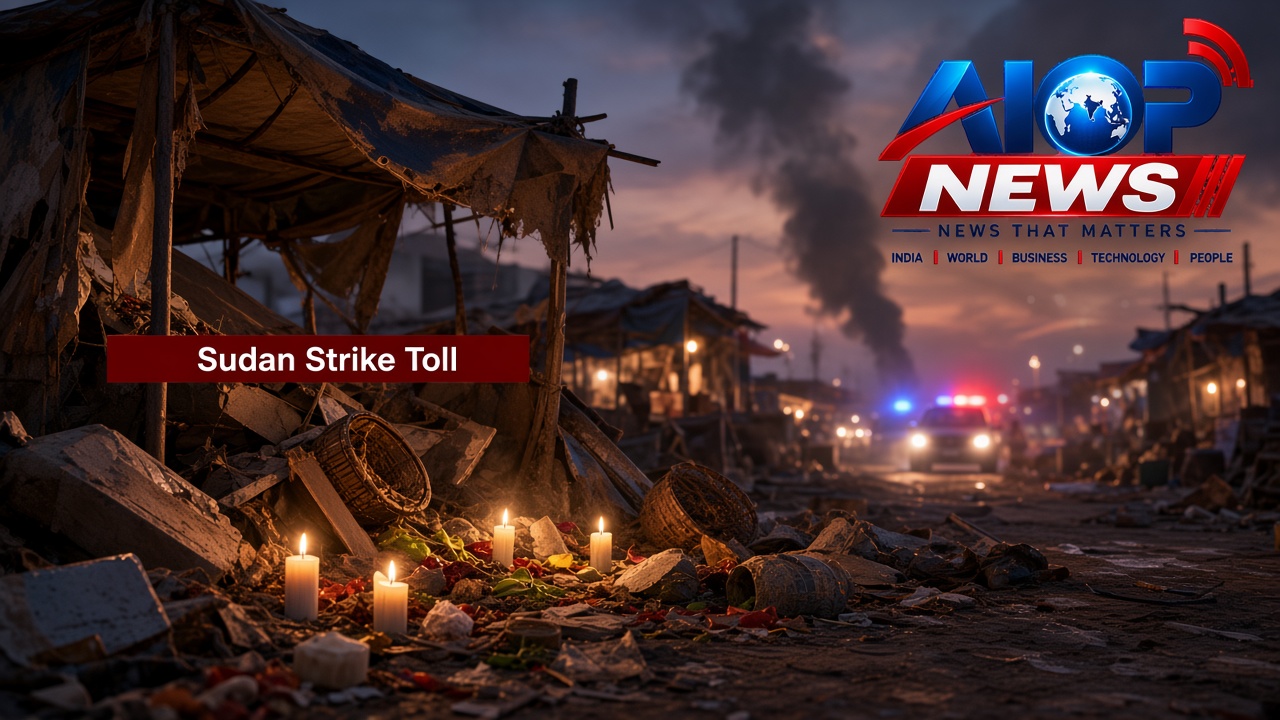
Sudan Drone Strikes Kill Over 200: Mourners and Market Targeted in Devastating Attack
Khartoum, Sudan – October 20, 2026 – In a tragic escalation of the ongoing conflict, Sudan army drones have reportedly carried out strikes that killed more than 200 people, according to sources. The devastating attacks targeted a truck transporting individuals to a funeral and a market alleged to be supplying fuel to the rival Rapid Support Forces (RSF).
The latest development underscores the devastating human cost of the protracted conflict in Sudan, highlighting the extreme dangers faced by civilians caught in the crossfire. Reports indicate that the high casualty count makes this one of the deadliest single incidents in recent months, drawing urgent calls for de-escalation from the international community.
Devastating Toll on Civilians
Details emerging from the affected areas paint a grim picture of widespread destruction and loss of life. Eyewitness accounts, relayed through various sources, describe scenes of chaos and horror following the drone attacks. The targeting of a funeral procession, a deeply sensitive event in Sudanese culture, has sparked particular outrage and concern over the adherence to humanitarian laws governing armed conflict.
While the precise location within Sudan has not been specified, the impact of such indiscriminate violence reverberates across the nation, further destabilizing a region already grappling with a severe humanitarian crisis. The sheer number of fatalities – exceeding 200 – underscores the destructive power of modern warfare, even when conducted remotely by drones. Such incidents compound the immense suffering already endured by the Sudanese population, who face displacement, food insecurity, and a collapse of essential services.
Targets and Allegations
The two primary targets identified were a vehicle transporting mourners and a bustling market. The market, a vital hub for local commerce and daily life, was reportedly hit due to suspicions that it was facilitating the supply of crucial resources, specifically fuel, to the RSF. This allegation, made by military sources, suggests a deliberate strategy to cripple the logistical capabilities of the opposing force.
However, the tragic consequence of such targeting is the profound loss of civilian lives, raising serious questions about proportionality and precision in military operations. The reliance on remote-controlled drones for these strikes complicates the assessment of intent and accountability, a challenge frequently observed in contemporary conflicts globally. The situation remains fluid, with independent verification of specific details proving difficult amidst the ongoing hostilities and restricted access for journalists and aid workers.
Wider Implications for International Relations
The escalating violence in Sudan continues to be a major point of concern for International observers and humanitarian organizations. The conflict, which pits the Sudanese Armed Forces (SAF) against the Rapid Support Forces (RSF), has plunged the country into a deep crisis, displacing millions and exacerbating food insecurity across the region.
This latest incident is expected to intensify existing pressures on both warring factions to adhere to ceasefires and engage in meaningful peace negotiations. Experts in international relations emphasize that attacks resulting in mass civilian casualties not only prolong the conflict but also make future reconciliation efforts significantly more challenging. The international community has repeatedly called for an end to the hostilities and for unimpeded access for humanitarian aid to reach those most affected by the violence.
As the conflict wears on, the mechanisms for reporting and investigating alleged war crimes become increasingly vital. The inability to definitively confirm the number of casualties or the exact circumstances surrounding such incidents in real-time highlights the information vacuum prevalent in active war zones. This latest tragedy adds a grim chapter to the ongoing international concern over the conflict in Sudan, reminding the world of the urgent need for a peaceful resolution that prioritizes civilian protection.
Conclusion: A Crisis Deepens
The reported drone strikes by the Sudan army, resulting in over 200 fatalities among mourners and at a market alleged to be supplying the RSF, represent a severe setback for peace and stability in Sudan. The targeting of civilians and civilian infrastructure, even under allegations of military utility, is a grave concern that demands immediate attention from global bodies and human rights advocates.
As the conflict continues to inflict immense suffering on the Sudanese population, the imperative for a durable peace agreement becomes ever more pressing. The world watches closely as the humanitarian crisis deepens, with renewed calls for all parties to respect international law and prioritize the protection of innocent lives.
For more updates on the crisis in Sudan and other global events, please refer to ongoing international news coverage.