Major Retail Changes Hit Scottish Supermarkets
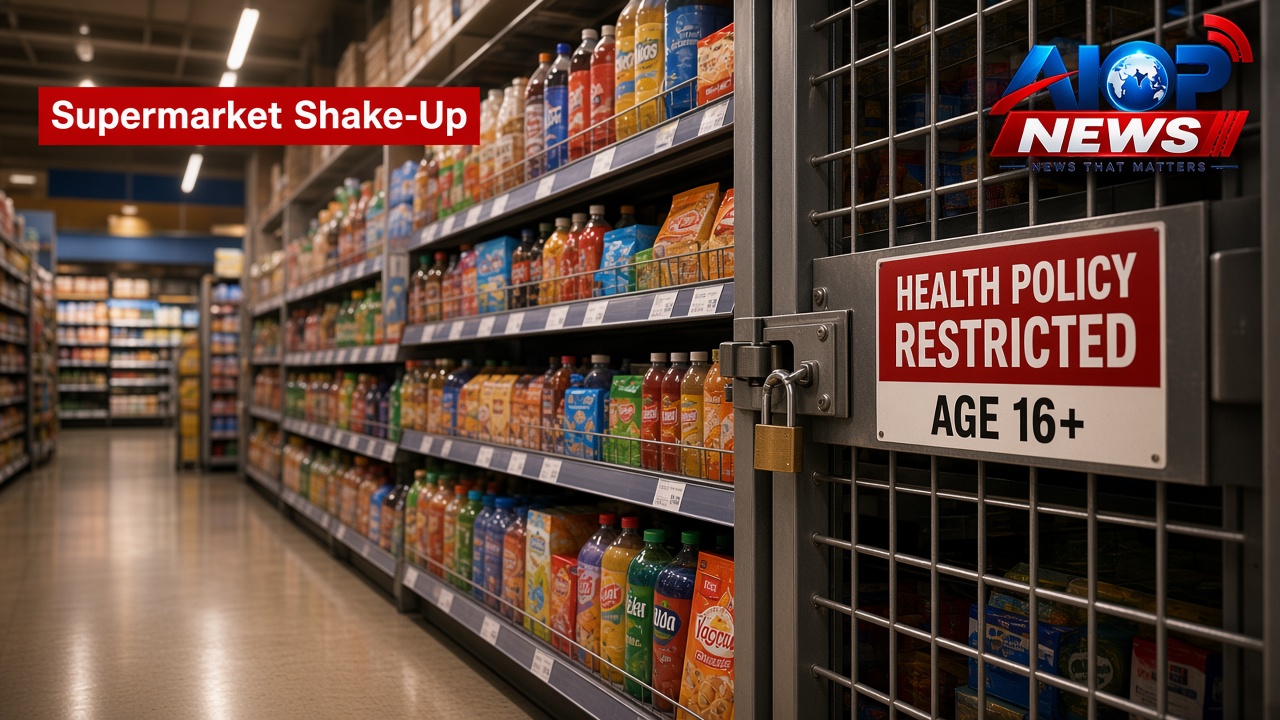
Shoppers walking down the supermarket aisles in Scotland will notice a significant shift in how certain foods are displayed. Under new regulations, restrictions are officially being put in place on products with high sugar, fat, and salt content. These sweeping changes are altering traditional retail layouts across the nation, forcing grocery stores to rethink how they merchandise everyday items.
For decades, sweet treats, salty snacks, and sugary cereals have dominated prime retail real estate, such as checkout areas and aisle ends. Under the updated guidelines, these high-fat, salt, and sugar (HFSS) items are being moved away from prominent promotional spots, aiming to reshape consumer shopping habits.
What Is Changing in the Aisles?
The core of the new policy targets the placement of unhealthy products to curb public health concerns. Cereal and other items high in sugar, fat, and salt will no longer enjoy the visibility of end-of-aisle displays, which are traditionally designed to catch the eye of impulse buyers. Retailers must adapt their floor plans to comply with these fresh mandates, impacting daily business operations and inventory strategies.
According to reports detailing the rollout, these regulatory updates focus strictly on product placement and promotional visibility rather than banning the items outright. For more updates on how regulatory shifts impact commerce, visit our Business section.
The Popular Meal Deal Survives
While the crackdown on high-sugar, fat, and salt goods represents a major pivot for supermarket chains, not everything is changing. Amid anxiety among busy consumers regarding lunchtime staples, confirmation has arrived that the beloved meal deal lives on. Shoppers can continue to enjoy their favorite lunchtime combinations without facing immediate restrictions or alterations to how these packages are assembled and marketed.
The survival of the meal deal provides a small relief to consumers navigating changing grocery landscapes. As supermarkets adapt their business models to align with the Scottish regulations, industry watchers will be closely monitoring how these display bans influence overall sales figures and consumer behavior.
Conclusion
The implementation of Scotland's new supermarket rules marks a notable intersection of retail policy and consumer health. While items high in sugar, fat, and salt face prominent placement restrictions—removing favorites like certain cereals from the end of the aisle—staples like the traditional meal deal remain protected. As noted in coverage by the BBC, these adjustments will permanently alter the shopping experience across Scottish stores.