Tech Life: Inside the World of Supercomputers
In our modern Technology landscape, data processing reaches scales that standard personal computers could never fathom. From complex scientific simulations to massive data analysis, high-performance systems play a critical role in driving innovation forward. But what exactly is a supercomputer, and how do these technological powerhouses function behind the scenes?
What Is a Supercomputer and How Does It Work?
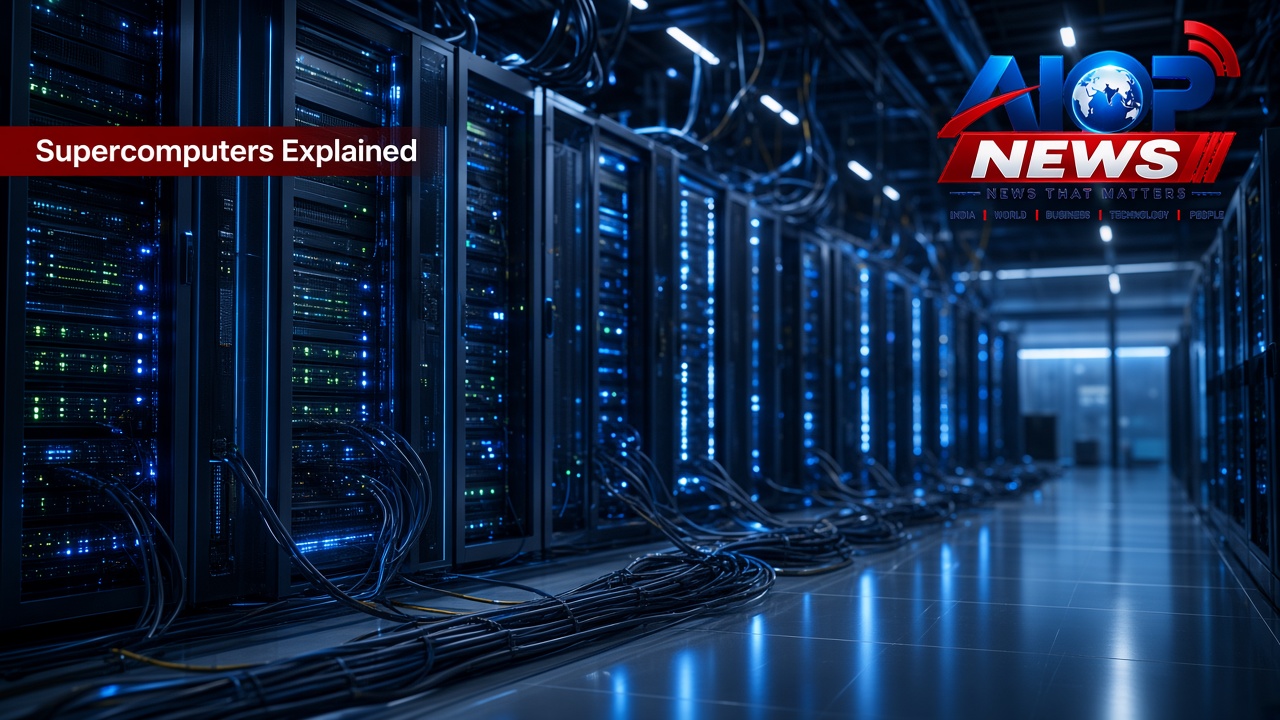
At its core, a supercomputer is designed to perform at or near the currently highest operational rate for computers. Unlike everyday devices, these systems leverage vast arrays of parallel processing, linking thousands of processors together to solve complex computational problems simultaneously. This architecture allows them to process massive datasets in fractions of the time it would take conventional hardware, making them indispensable for tackling heavy workloads.
Who Gets to Use Supercomputers?
Given their immense power and high operational costs, supercomputers are not typically found in standard offices or homes. Instead, access is heavily managed and usually reserved for specialized institutions, government agencies, and major research organizations. Scientists, meteorologists, researchers, and engineers utilize these systems to model climate change, simulate molecular structures for medicine, and conduct aerospace research.
Conclusion
Supercomputers represent the pinnacle of modern computing capability, solving problems that shape our understanding of the universe and push the boundaries of science and engineering. To learn more about how these incredible machines operate and who relies on them, you can listen to the full discussion on BBC Sounds.