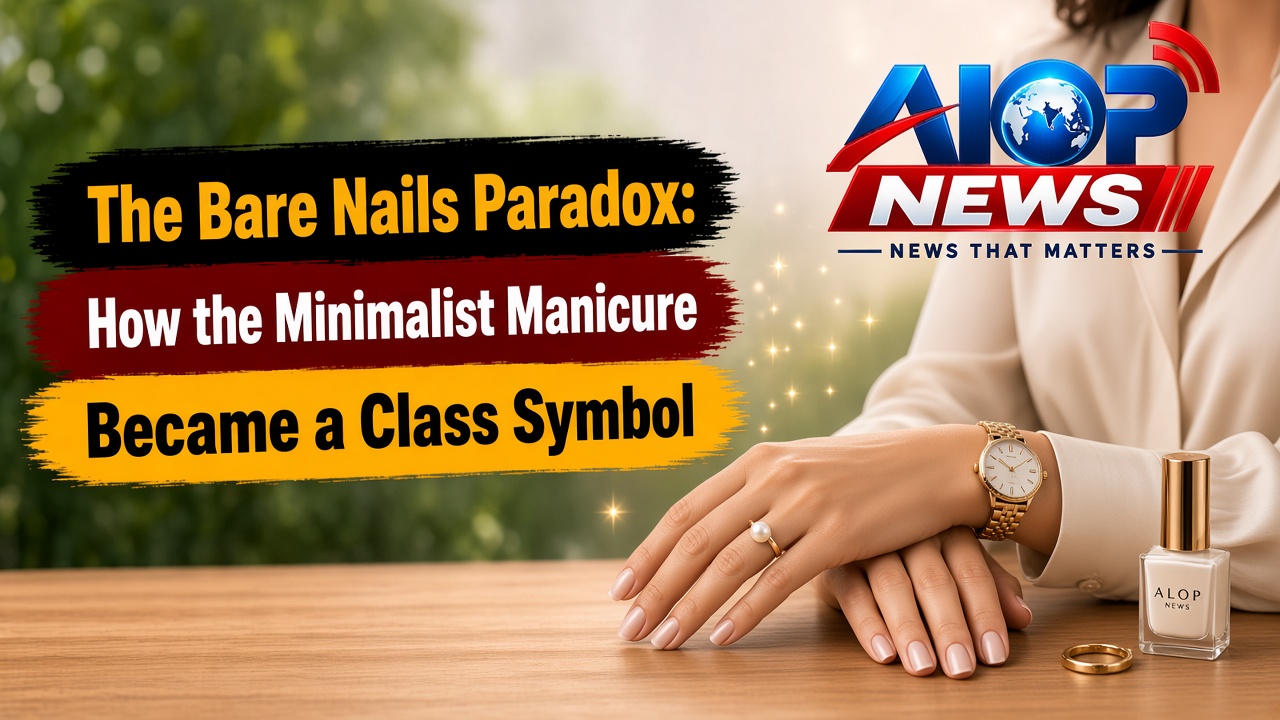
In recent years, the beauty industry has undergone a subtle yet profound shift. The era of ultra-long acrylic extensions, intricate gems, and neon gel art is increasingly sharing the spotlight with a contrasting aesthetic: the "bare nail" or "naked manicure." At first glance, stripping away polish appears to be a triumph of low-maintenance grooming and natural beauty. However, beneath its understated surface, the minimal nail movement has sparked a fierce debate about socio-economic status, privilege, and beauty standards.
The Shift to 'Quiet Luxury' in Beauty
The rise of the bare nail trend aligns seamlessly with the broader "quiet luxury" and "clean girl" aesthetics dominating modern fashion and social media platforms. Rather than displaying overt wealth through eye-catching salon extensions, modern status is increasingly conveyed through subtle perfection. An immaculate, unpolished nail suggests a lifestyle that permits regular upkeep, balanced nutrition, and high-end skin care without needing synthetic overlays to mask underlying damage.
As highlighted in a recent analysis by the BBC, what appears to be an effortless return to basics is often far from accessible. Achieving clean, unblemished natural nails frequently requires frequent professional buffing, expensive cuticle oils, and routine dermatological care. The illusion of effortlessness has effectively redefined wealth signaling in everyday personal care.
Nail Health and the Demographics of Care
From a biological standpoint, stepping away from synthetic enhancements offers clear benefits for overall health and wellness. Years of continuous gel applications, harsh acetone soak-offs, and exposure to ultraviolet curing lamps can weaken the nail plate, causing thinning, brittleness, and severe contact dermatitis. Embracing unpolished nails gives keratin layers a chance to recover and minimizes exposure to potentially harmful chemical sensitizers.
However, the baseline condition of a person's hands is also a direct reflection of their daily physical environment, occupational hazards, and nutrition. Individuals working in high-impact or manual labor fields—such as healthcare, hospitality, sanitation, and agriculture—frequently face nail breakage, discoloration, and severe dehydration from repeated handwashing or exposure to harsh cleaning agents. For these workers, achieving a naturally "flawless" bare nail without protective polish or gels is remarkably difficult, turning pristine natural nails into a biological marker of desk-bound work and leisure.
Class Division: Acrylics vs. Minimalist Elegance
Historically, bold, long acrylic nails were embraced by working-class women as vibrant expressions of creativity, identity, and personal grooming. Yet, as minimalist trends gained cultural dominance among wealthy influencers, elaborate nail designs were unfairly categorized by critics as loud or unrefined, while short, clear-coated nails were elevated as the benchmark of sophistication.
The Hidden Cost of 'Effortless' Nails
This dynamic creates a distinct financial and social double standard: lower-cost acrylics or press-on nails offer an accessible, durable way for anyone to achieve uniform, polished hands for weeks at a time. In contrast, maintaining undamaged, naturally spotless bare nails demands consistent preventative maintenance, professional skin treatments, and protection from intensive labor—privileges that rely on spare time and financial security.
Conclusion: Redefining Beauty and Self-Care
The evolution of the bare nails trend highlights how quickly minimalist aesthetics can transform into quiet markers of socio-economic division. While reducing chemical exposure and prioritizing hand hygiene is undeniably positive for long-term health, idealizing natural perfection risks ignoring the physical realities of manual work. Ultimately, true self-care should center on individual comfort and physical health, whether that involves wearing intricate nail art or embracing unpolished natural hands.