The Pharmacy Counter Dilemma
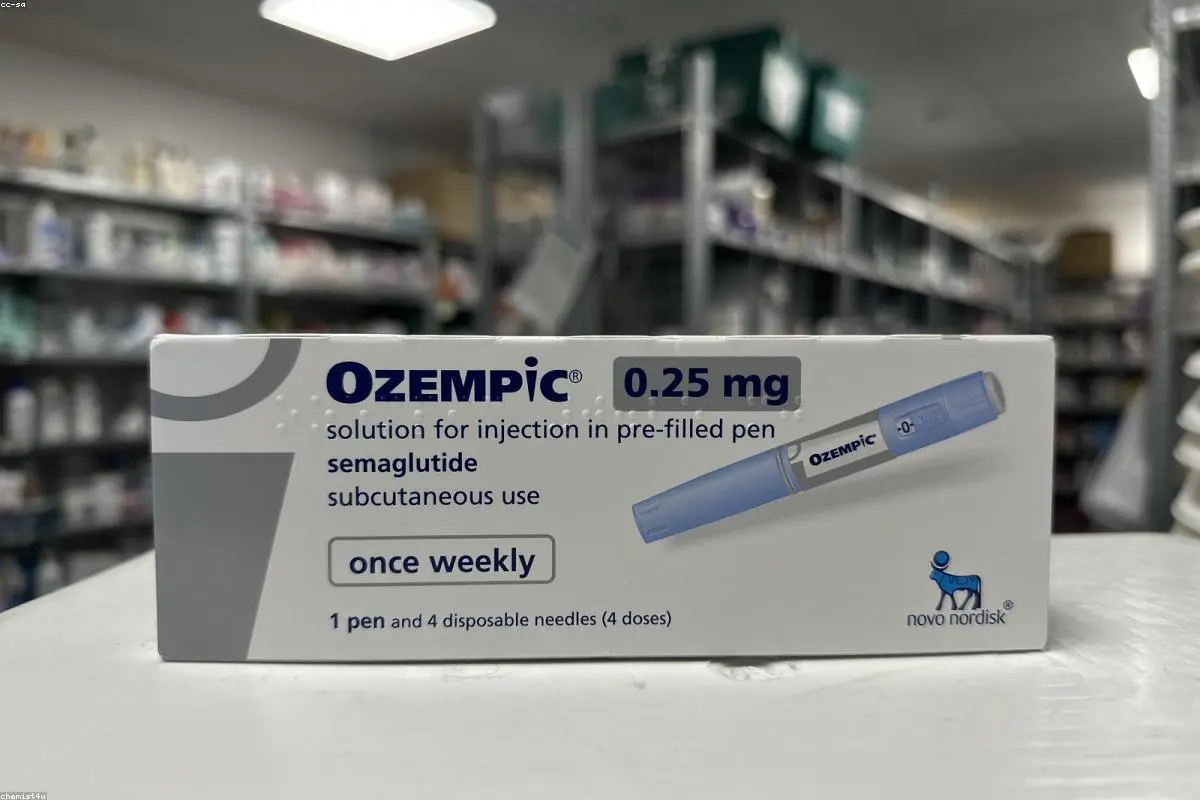
Walking into a pharmacy today is a different experience than it was just three years ago. Across the globe, from the suburbs of London to the high-rises of New York, a specific request is echoing through medical clinics and drugstores: semaglutide. Known by brand names like Ozempic and Wegovy, this class of drugs has transitioned from a specialized treatment for Type 2 diabetes to a cultural phenomenon, fueled by social media buzz and celebrity endorsements.
This surge in popularity isn't just a trend; it represents a seismic shift in how we perceive and treat obesity. However, as investigated in a recent report by the BBC’s Assignment, this 'gold rush' for weight loss solutions has created a complex web of supply chain issues, ethical dilemmas, and a thriving black market that puts patient safety at risk.
Understanding the Metabolic Breakthrough
To understand why everyone is talking about semaglutide, we have to look at the science of the gut-brain connection. Semaglutide mimics a hormone called GLP-1 (glucagon-like peptide-1) that we produce naturally. It targets areas of the brain that regulate appetite and food intake. By making people feel fuller for longer and reducing food cravings, it has proven remarkably effective at helping individuals shed significant weight—often up to 15% or 20% of their body mass.
For those navigating the complexities of chronic conditions, these medications offer more than just a lower number on the scale. Within the broader Health category, the conversation is shifting toward viewing obesity not as a failure of willpower, but as a chronic metabolic disease that requires long-term management. This medicalization of weight loss is a double-edged sword, offering hope to millions while simultaneously straining the infrastructure designed to support them.
The Supply Chain Crisis
The sheer scale of demand has caught manufacturers off guard. When a drug becomes a viral sensation, the standard production cycles can't keep up. This has led to a 'scramble' where those with the greatest medical need—diabetics who rely on the drug to manage their blood sugar—are often competing with those seeking it for purely cosmetic reasons. In many regions, the shortage has forced doctors to ration doses or switch patients to less effective alternatives, causing significant anxiety for those whose health depends on consistency.
This scarcity hasn't just affected legitimate prescriptions; it has opened the door for a shadowy world of unregulated alternatives. Since official supplies are low and prices in some markets are prohibitively high, many people are turning to 'compounded' versions or, worse, counterfeit products purchased through social media channels. These unregulated vials often contain the wrong dosage or entirely different substances, turning a health journey into a dangerous gamble.
The Stigma of the 'Easy Way Out'
Beyond the logistical challenges lies a psychological and societal debate. Critics often dismiss the use of semaglutide as the 'easy way out,' a perspective that ignores the biological hurdles many face when trying to lose weight through diet and exercise alone. For many users, these medications finally 'quiet the food noise'—the constant, intrusive thoughts about eating that define the experience of obesity for many.
However, the rapid adoption of these drugs also raises questions about our societal obsession with thinness. When a medical treatment becomes a lifestyle accessory, the focus shifts away from holistic well-being and toward an aesthetic ideal. Health experts are concerned that the long-term effects of using these drugs solely for cosmetic purposes remain largely unknown, especially for individuals who do not meet the clinical criteria for obesity.
The Economic Ripple Effect
The economic impact of the semaglutide boom is just as significant as its medical impact. Insurance companies are currently grappling with how to cover these expensive, long-term treatments. If a drug must be taken indefinitely to maintain weight loss, the cost to public and private health systems is staggering. Yet, proponents argue that the long-term savings—from reduced rates of heart disease, stroke, and joint replacements—far outweigh the initial investment in the medication.
As we look toward the future, the 'Assignment' remains clear: we must find a way to balance innovation with equitable access. The scramble for semaglutide is a wake-up call for global health systems. It highlights the need for more robust supply chains and a more nuanced understanding of metabolic health that moves beyond the scale and looks at the person behind the prescription.
Ultimately, the story of semaglutide is about more than just a needle or a number. It is a reflection of our modern struggle with health, identity, and the lengths we will go to to reclaim control over our bodies in an environment that often feels designed to make us unhealthy. The challenge now is ensuring that the medicine reaches those who need it most, without leaving the most vulnerable behind in the rush for the next miracle cure.