A New Frontier in the Education Culture War
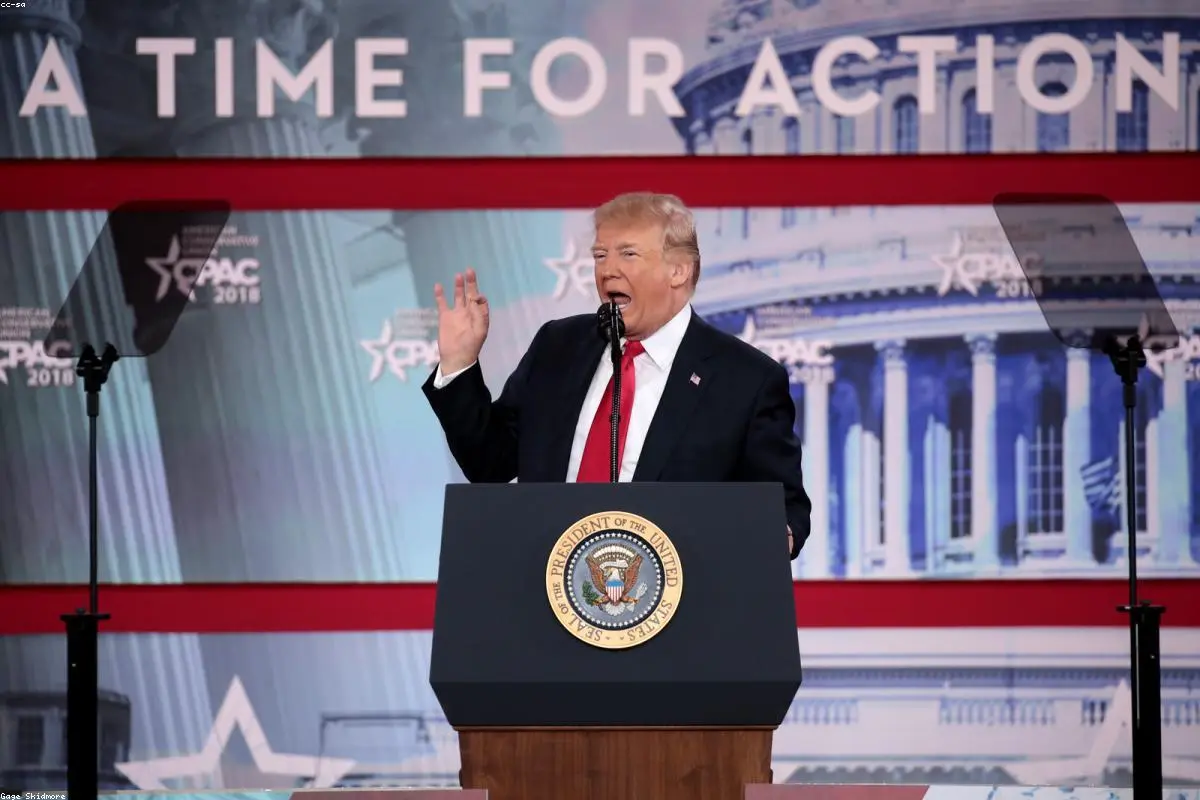
For several years, the national debate over Diversity, Equity, and Inclusion (DEI) has largely been fought on the grounds of public universities and corporate boardrooms. However, the political crosshairs have recently shifted toward a different target: the nation’s private schools. Former President Donald Trump has signaled a major expansion of his anti-DEI agenda, proposing that the federal government should re-evaluate the tax-exempt status of private educational institutions that continue to implement these programs.
This isn't just another stump speech talking point; it is a direct challenge to the financial foundations of some of the country’s most prestigious institutions. By targeting the 501(c)(3) status that allows private schools to operate without paying federal income tax—and allows donors to deduct their contributions—the Trump campaign is looking to turn a cultural grievance into a massive financial lever. According to a recent report from Education Week, this strategy aims to force schools to choose between their progressive social agendas and their bottom lines.
The Power of the IRS Lever
The logic behind this move is as simple as it is controversial. The argument suggests that DEI programs are fundamentally discriminatory in nature, violating the Civil Rights Act by focusing on race and identity. If the federal government were to officially classify these initiatives as a form of illegal discrimination, the Internal Revenue Service (IRS) would have the grounds to revoke a school’s tax-exempt status. For many elite prep schools, losing this status would be a catastrophic financial blow, potentially resulting in millions of dollars in new tax liabilities and a sharp decline in philanthropic giving.
Critics of the plan argue that this is a heavy-handed attempt to infringe upon the autonomy of private institutions. Historically, private schools have enjoyed a wide berth in how they choose to educate their students and foster their internal cultures. By using the tax code as a weapon, the government would be effectively mandating a specific ideological framework, a move that legal scholars suggest could lead to a protracted battle in the Supreme Court.
Impact on the Future of American Education
While the rhetoric is focused on politics, the practical implications for the Education sector are profound. Schools are already beginning to weigh the risks. Some administrators have started quietly rebranding their DEI offices as "Offices of Belonging" or "Community Engagement" to avoid the political heat. Others are doubling down, arguing that diversity is a core component of a modern education and that the threat of tax revocation is a bluff that wouldn't survive a legal challenge.
However, the pressure isn't just coming from Washington. Parents and donors—who often lean more conservative than the faculty at these institutions—are increasingly vocal about where their tuition dollars and donations are going. This creates a pincer movement for school boards: they face a potential federal crackdown on one side and a revolt from their own financial backers on the other. This tension is fundamentally reshaping the governance of private schools across the country.
Legal Hurdles and Precedents
The path to stripping tax exemptions is far from clear. The landmark 1983 Supreme Court case, Bob Jones University v. United States, established that the government can indeed revoke tax-exempt status if an institution’s policies are contrary to "settled public policy," such as racial discrimination. However, the debate here centers on whether DEI programs—intended to increase inclusion—actually constitute the kind of discrimination the Court was referring to decades ago.
- Institutional Autonomy: Private schools have traditionally been shielded from federal oversight that applies to public schools.
- The Definition of Discrimination: The legal definition of "discriminatory practices" is currently a moving target in federal courts.
- Economic Fallout: The loss of tax-exempt status could lead to increased tuition costs, making these schools even more exclusive.
Rather than a quick policy change, this proposal likely marks the beginning of a long-term legal and social conflict. If the executive branch moves to redefine DEI as a violation of civil rights, every private school in the country will have to conduct a rigorous audit of their curriculum and administrative policies. The ripple effects would be felt far beyond the classroom, influencing how the next generation of leaders is taught to view identity and meritocracy.
A Calculated Political Gamble
For Trump, the focus on private schools is a strategic masterstroke for his base. It taps into a deep-seated frustration with "elite" institutions that are seen as out of touch with average Americans. By going after the tax breaks of the wealthy and their children’s schools, the campaign reframes the anti-DEI movement as a populist crusade against the establishment. It’s a narrative that resonates strongly in a polarized political climate.
As the election cycle continues to heat up, the future of these tax exemptions will likely become a central theme in the broader discussion about the role of government in education. Whether or not this plan ever reaches the implementation stage, the mere threat has already changed the conversation, forcing private schools to justify their social programs in the cold, hard language of tax law and fiscal survival.