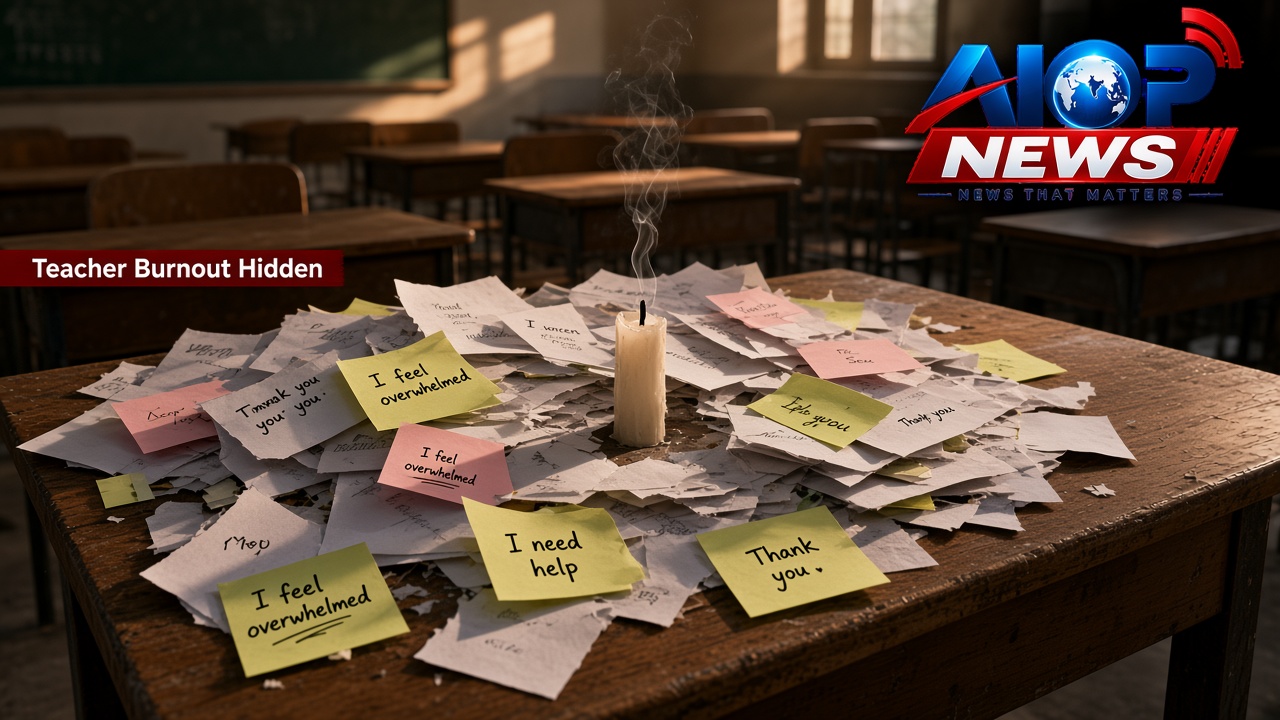
The Invisible Burden on Modern School Leadership
As the academic landscape continues to evolve, those at the helm of our schools are facing unprecedented levels of professional strain. A new study, recently highlighted by Education Week, sheds light on a growing crisis in school leadership: the mental health of principals is suffering, primarily due to the pervasive issue of “work spillage.”
For those interested in the broader landscape of academic administration, you can find more insights in our Category: Education section. As of October 9, 2026, the data suggests that the boundary between professional responsibilities and personal life has eroded, leaving many administrators in a state of chronic stress.
Understanding 'Work Spillage' in Education
What is Work Spillage?
Work spillage refers to the tendency for professional duties, communications, and anxieties to overflow into an individual's personal time and home life. For K-12 principals, this often manifests as answering emails late at night, constant accessibility via mobile devices, and the inability to disconnect from the high-stakes decisions required to run a school.
The study indicates that this phenomenon is a primary driver of burnout. When the school day ends, the psychological weight of the role does not disappear, leading to a diminished capacity for rest and recovery. This ongoing state of alertness is increasingly viewed as a systemic failure rather than a personal inability to manage time.
The Impact on School Culture and Student Outcomes
The implications of this stress extend far beyond the principals themselves. When school leaders are overwhelmed, their ability to mentor staff, foster positive school climates, and implement effective education policy is compromised. Principals are essential to the success of our learning institutions, and their deteriorating mental health presents a significant risk to the stability of the entire educational ecosystem.
Strategies for Mitigation and Support
While the problem of work spillage is systemic, experts suggest that there are ways to begin addressing the plague of stress affecting today’s administrators. Potential solutions focus on creating institutional boundaries that protect personal time. This includes:
- Setting Communication Protocols: Schools are exploring "blackout hours" where administrators are not expected to respond to non-emergency communications.
- Resource Allocation: Distributing leadership tasks more broadly among assistant principals and administrative teams to prevent burnout.
- Prioritizing Wellness: Shifting the culture of education to recognize mental health as a fundamental pillar of professional development.
Concluding Summary
The evidence is clear: the current model of school leadership is pushing many principals toward burnout due to the relentless nature of work spillage. Recognizing this as a significant challenge in K-12 education is the first step toward meaningful change. To ensure the future health of our schools, districts must prioritize policies that allow leaders to disconnect, reset, and maintain their well-being, ultimately fostering a more sustainable environment for both staff and students.