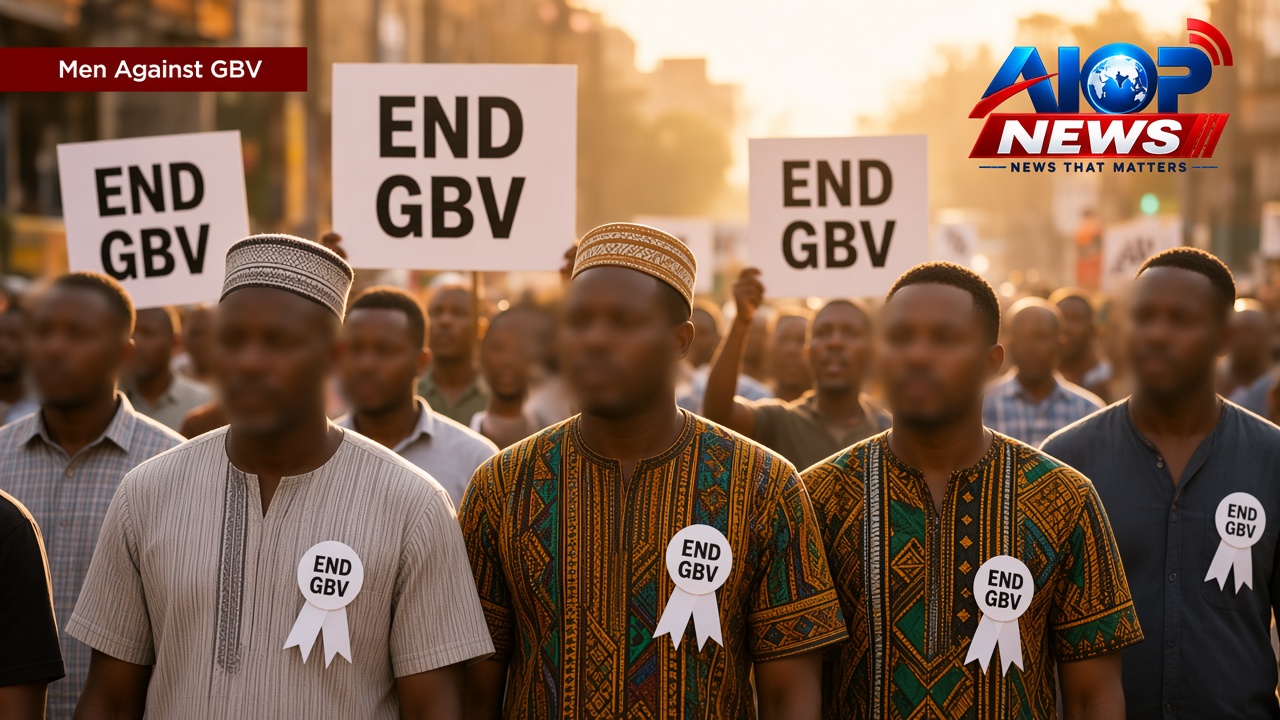
A Grassroots Revolution Against Gender-Based Violence
South Africa continues to grapple with staggering statistics regarding gender-based violence (GBV), a crisis that has long plagued the nation. However, amidst the grim data, a powerful shift is underway at the grassroots level. A growing coalition of South African men is stepping forward to challenge patriarchal norms, actively working to dismantle the culture of abuse and redefine what it means to be a man in modern society.
According to recent reports, including coverage highlighted by the BBC, these male-led initiatives are moving beyond mere rhetoric. They are engaging in difficult conversations, mentoring young boys, and holding their peers accountable. The core message resonating through these communities is clear: ending violence against women is not just a women's issue—it is a collective human rights crisis that requires the active participation of every man.
Challenging Toxic Masculinity at the Community Level
Historically, campaigns against GBV have predominantly relied on women's organizations and survivors for advocacy. While vital, this dynamic often placed the burden of prevention on those most affected. The new wave of male activists in South Africa aims to flip this narrative. By establishing safe spaces for men to discuss mental health, vulnerability, and anger management, these groups are addressing the root causes of violence before they manifest physically.
"Every man needs to play a part if we want to see generational change," says one community organizer working in the townships near Johannesburg. These organizations utilize workshops, school outreach programs, and sports leagues to reach males of all ages. By fostering environments where emotional intelligence is prized over dominance, these programs are proving that behavioral patterns can be unlearned.
Implications for the Global International Community
While the crisis is deeply rooted in South African socio-economic realities, the fight against gender-based violence resonates far beyond its borders. The strategies being deployed by these South African men offer valuable blueprints for international human rights organizations and activists worldwide. Addressing GBV requires localized solutions backed by global solidarity, making these efforts a cornerstone of broader International social justice movements.
Experts note that international cooperation and the sharing of best practices can amplify these grassroots efforts. When global networks recognize and support male-led accountability groups, it legitimizes the work and provides much-needed resources to scale these life-saving interventions.
Conclusion: The Road Ahead
Eradicating violence against women in South Africa will not happen overnight. Decades of systemic inequality, coupled with high rates of unemployment and poverty, create fertile ground for abuse. Yet, the emergence of dedicated male allies signals a profound cultural turning point. By stepping up, taking accountability, and fostering a culture of mutual respect, these South African men are not only changing their local communities but are also inspiring a powerful model for global transformation.