The Invisible Weight of the Modern Classroom
For decades, the role of a teacher was defined by lesson plans, grading, and the pursuit of academic excellence. However, in the current landscape of education, a new, somber reality has taken hold. A growing sense of unease permeates schools across the country as educators grapple with a question that was once unthinkable: Am I brave enough to die for my students?
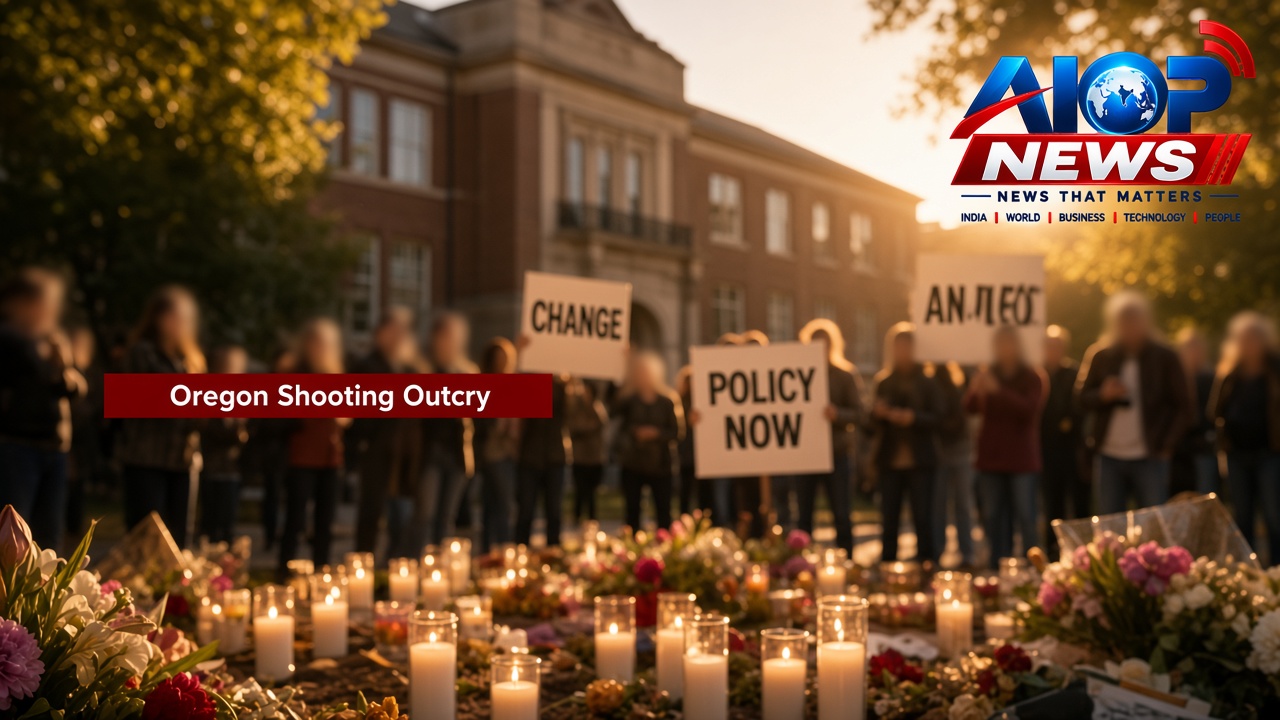
This internal conflict, recently explored in a poignant piece at Education Week, highlights the unspoken fear that haunts classrooms in the modern era of school shootings. As society asks more of its teachers, the psychological toll of balancing pedagogical duties with the mantle of emergency protector has reached a breaking point.
Defining the Limits of Professional Duty
When individuals enter the teaching profession, they prepare to nurture minds and foster critical thinking. They do not typically prepare for active shooter scenarios or life-or-death decision-making. Yet, as school safety concerns remain at the forefront of public discourse, the expectation for educators to act as the first line of defense is becoming increasingly ingrained in the culture of our schools.
Educators are being forced to confront their own mortality while standing in front of whiteboards. This shift in the teacher’s role is not just a policy concern; it is a profound human crisis. The pressure to possess a specific kind of "heroic" bravery—one that supersedes the basic instinct for survival—creates a burden that many teachers carry in silence.
The Necessity of Open Dialogue
Why has this fear remained largely unspoken? Perhaps because acknowledging it feels like an admission of failure in our collective responsibility to keep schools safe. By forcing teachers to bear this weight alone, the educational system risks further burnout and a mass exodus of talent. It is time to bring this conversation into the light.
Addressing this issue requires more than just updated drills or security protocols. It requires an honest examination of the expectations we place on those who work in K-12 education. Teachers should be able to focus on the curriculum, not on their readiness for a worst-case scenario. When the professional requirement for the job shifts from "educator" to "shield," the entire structure of the learning environment is compromised.
Moving Beyond Silence
The conversation regarding school safety and the emotional welfare of teachers is essential. We must shift the focus from asking if teachers are "brave enough" to die, to asking why our schools are not safe enough to ensure they never have to be. Creating a culture where safety is a systemic guarantee rather than an individual burden is the only way to protect the future of the teaching profession.
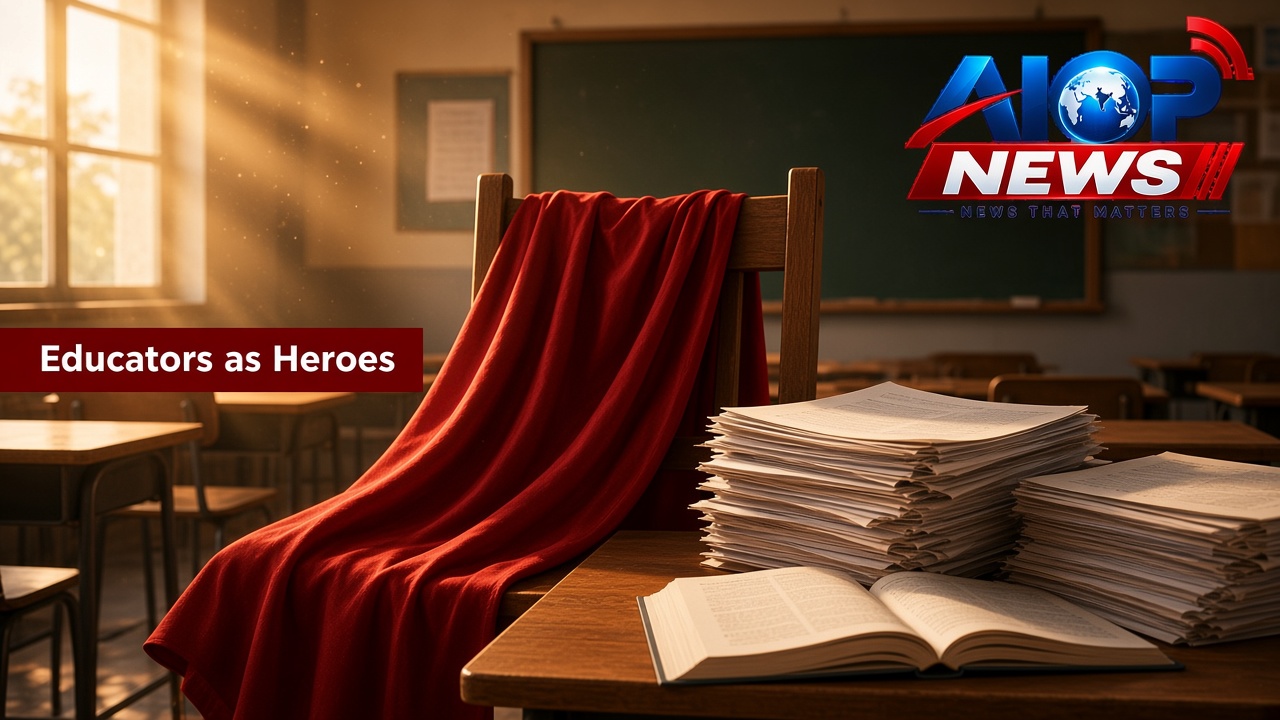
Ultimately, the heroism of an educator should be measured by their ability to inspire, not by their willingness to be a martyr. Until we address the systemic fears that plague our hallways, we are failing both our teachers and the students who look to them for guidance.