Pidcock's Outrage as Tre Valli Varesine Marred by Vehicle Incident
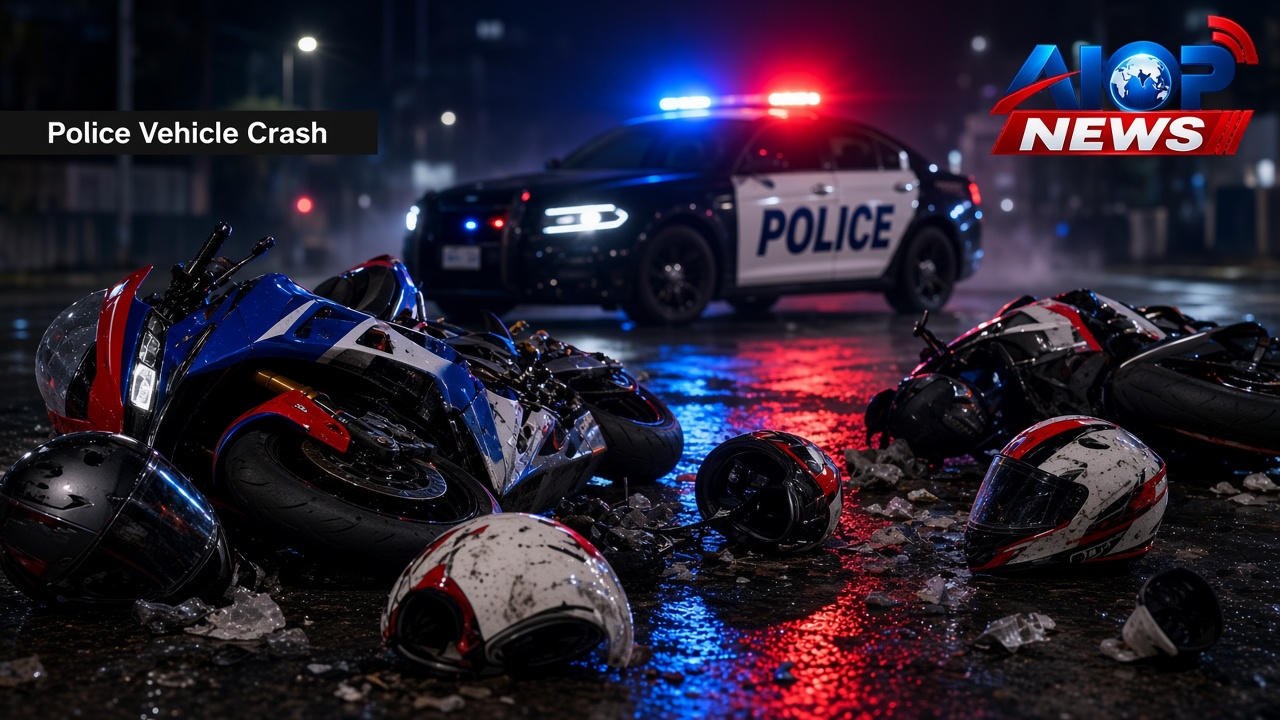
In a shocking incident that cast a shadow over the prestigious Tre Valli Varesine cycling race, British cycling star Tom Pidcock expressed profound anger and frustration after two of his teammates were reportedly hit by a police vehicle. The incident, which occurred on the course, saw the vehicle travelling in the wrong direction, leading to a dangerous collision involving Pidcock's team members.
Pidcock, a prominent figure in professional cycling, was quoted saying he wanted to "stop racing" in the immediate aftermath of the event. His reaction highlights the serious safety concerns that continue to plague competitive road cycling, where rider well-being is paramount.
The Dangerous Encounter on the Course
The incident unfolded during the Tre Valli Varesine, a classic Italian one-day race, known for its challenging parcours and historical significance in the European cycling calendar. According to reports, a police vehicle, intended to manage the race route, was observed travelling against the flow of the race. This critical error led directly to a collision with two of Pidcock's teammates, whose specific conditions or identities were not immediately disclosed. The presence of unauthorized or wrongly directed vehicles on a closed racecourse poses an immediate and severe threat to the safety of riders, who navigate at high speeds with minimal protection.
The sight of his teammates being involved in such a collision understandably sparked a strong reaction from Pidcock. His desire to abandon the race underscores the emotional and psychological toll such incidents can take on athletes, who often put their lives on the line in pursuit of victory. It's a stark reminder that beyond the physical demands, the mental resilience of cyclists is constantly tested by unforeseen dangers.
Mounting Concerns Over Rider Safety in Professional Cycling
This incident at Tre Valli Varesine is unfortunately not an isolated event. Over recent years, the world of professional cycling has grappled with numerous safety incidents involving official and unofficial vehicles, spectators, and poorly managed race routes. These occurrences have intensified calls from riders, teams, and cycling federations for stricter protocols and more rigorous enforcement of safety measures.
The role of support and official vehicles in ensuring a smooth and safe race is critical. They are meant to protect the peloton, not endanger it. When such vehicles deviate from established safety guidelines, the consequences can be catastrophic for the athletes involved. This latest event involving a police vehicle raises serious questions about coordination, communication, and adherence to safety protocols among all parties involved in race organization, from local authorities to event organisers.
Athletes commit years to honing their craft, pushing their physical and mental limits. Ensuring their safety during competition should be the absolute priority for race organisers. Incidents like this undermine confidence in the sport's ability to protect its stars and emerging talents. For more updates on professional cycling and other athletic achievements, visit our Sports section.
Calls for Thorough Investigation and Accountability
Following such a high-profile incident, there will undoubtedly be strong calls for a comprehensive investigation into how a police vehicle was allowed to travel the wrong way on a live racecourse. Identifying the root cause of the error – whether it was a communication breakdown, misdirection, or human error – is crucial to implementing preventative measures. Accountability for such breaches of safety protocol is vital to rebuild trust and prevent future occurrences that could have even more severe consequences.
The professional cycling community will be watching closely for the outcomes of any inquiry, hoping that this incident serves as a catalyst for meaningful improvements in race safety standards globally. The collective voice of riders like Tom Pidcock often proves instrumental in driving necessary changes within the sport.
The Impact on Athletes and the Sport's Reputation
Incidents involving official vehicles not only pose physical threats but also have a significant psychological impact on the athletes. The constant fear of such unexpected dangers can distract riders and potentially affect their performance. Moreover, repeated safety lapses can tarnish the sport's reputation, making it less appealing to both participants and sponsors.
The Tre Valli Varesine, a race typically celebrated for its challenging parcours and exciting finishes, will now carry the unfortunate memory of this incident. The cycling world eagerly awaits further details regarding the conditions of Pidcock's teammates and the subsequent actions taken by the race organizers and relevant authorities. As reported by the BBC on this developing story, safety remains a paramount concern in the dynamic world of professional road racing. (Source: BBC Sport Cycling)
Conclusion: A Stark Reminder for Cycling Safety
Tom Pidcock's visible anger and desire to halt racing following the incident at Tre Valli Varesine serve as a powerful and urgent reminder of the ongoing challenges in ensuring rider safety in professional cycling. While the thrill of the race often captures headlines, the fundamental well-being of the athletes must always take precedence. The cycling community, from riders to organizers and fans, demands continuous vigilance and improvements in safety protocols to prevent such alarming events from recurring, ensuring the integrity and future of this demanding sport.