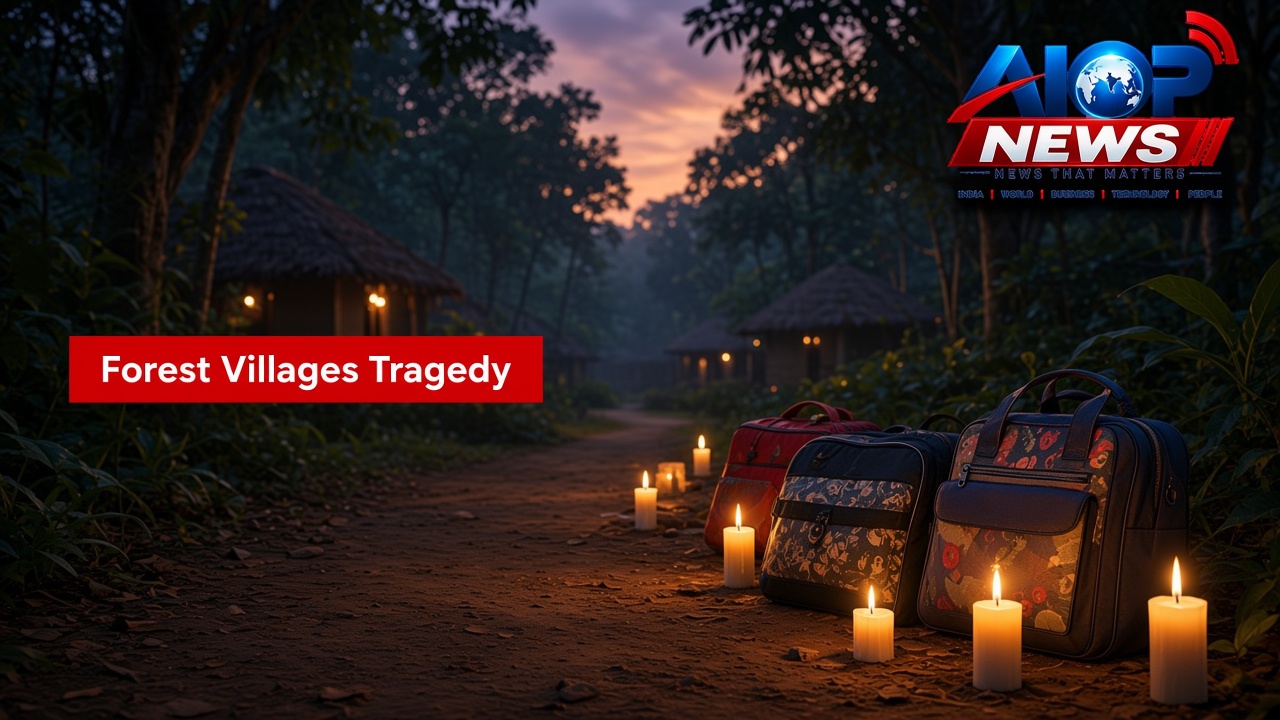
A Silent Crisis Unfolds in India's Remote Woodlands
Deep within India's remote forest settlements, a catastrophic public health emergency has left communities in profound grief. Recent reports have brought to light the heart-wrenching deaths of 32 children, a tragedy born not from a single ailment, but from a lethal combination of overlapping crises. Experts and local advocates point to chronic malnutrition, lack of immediate medical intervention, and seasonal vulnerabilities as the primary drivers of this disaster.
For families living on the margins of these forested regions, accessing basic human necessities remains a daily struggle. The recent surge in child mortality rates underscores an urgent need for comprehensive policy interventions to protect our most vulnerable populations. To understand the broader implications of this situation, public health advocates are closely monitoring developments through dedicated coverage like the initial report by BBC News.
The Root Causes: Malnutrition Meets Healthcare Deserts
At the heart of the catastrophe lies severe, untreated malnutrition. Many families in these forest villages rely heavily on subsistence farming or seasonal labor, leaving them susceptible to extreme food insecurity during off-peak months. Without access to balanced diets, fortified foods, or clean drinking water, children quickly fall prey to wasting and stunted growth, severely compromising their immune systems.
Barriers to Essential Medical Services
Compounding the nutritional crisis is a severe absence of localized healthcare infrastructure. Primary health centers are often located miles away, connected only by rugged terrain and poorly maintained roads. During monsoon seasons, these villages frequently become entirely cut off from the mainland, turning treatable conditions into fatal emergencies. Pediatric healthcare is virtually nonexistent in these pockets, leaving parents with little to no guidance when infectious diseases like malaria, diarrhea, or acute respiratory infections strike.
Furthermore, socioeconomic barriers and a lack of awareness often delay critical hospital admissions. By the time a sick child reaches a well-equipped medical facility, it is frequently too late. Local community health workers are working tirelessly under immense pressure, but their numbers are vastly disproportionate to the sprawling geographic regions they serve.
Systemic Vulnerabilities and Marginalized Communities
The plight of these forest dwellers brings long-standing systemic neglect into sharp focus. Many of these communities belong to marginalized indigenous or tribal groups whose traditional livelihoods have been disrupted by shifting environmental policies and climate change. As local ecosystems degrade, traditional foraging yields drop, stripping families of their safety nets.
Public health experts emphasize that addressing this catastrophe requires much more than temporary relief camps. It demands a robust, multi-sectoral approach integrating sustainable food security programs, year-round mobile medical units, and infrastructure development to bridge the gap between isolated settlements and mainstream governance.
Conclusion: A Call for Urgent Action
The loss of 32 young lives in India's forest villages is a stark reminder of the work still needed to achieve equitable public health standards. Protecting children in remote areas requires proactive governance, targeted nutritional support, and barrier-free access to emergency medical care. As policymakers evaluate current strategies, the overarching priority must be to ensure that no community remains invisible to the state. For ongoing updates on global wellness and medical breakthroughs, explore our comprehensive Category: Health section.