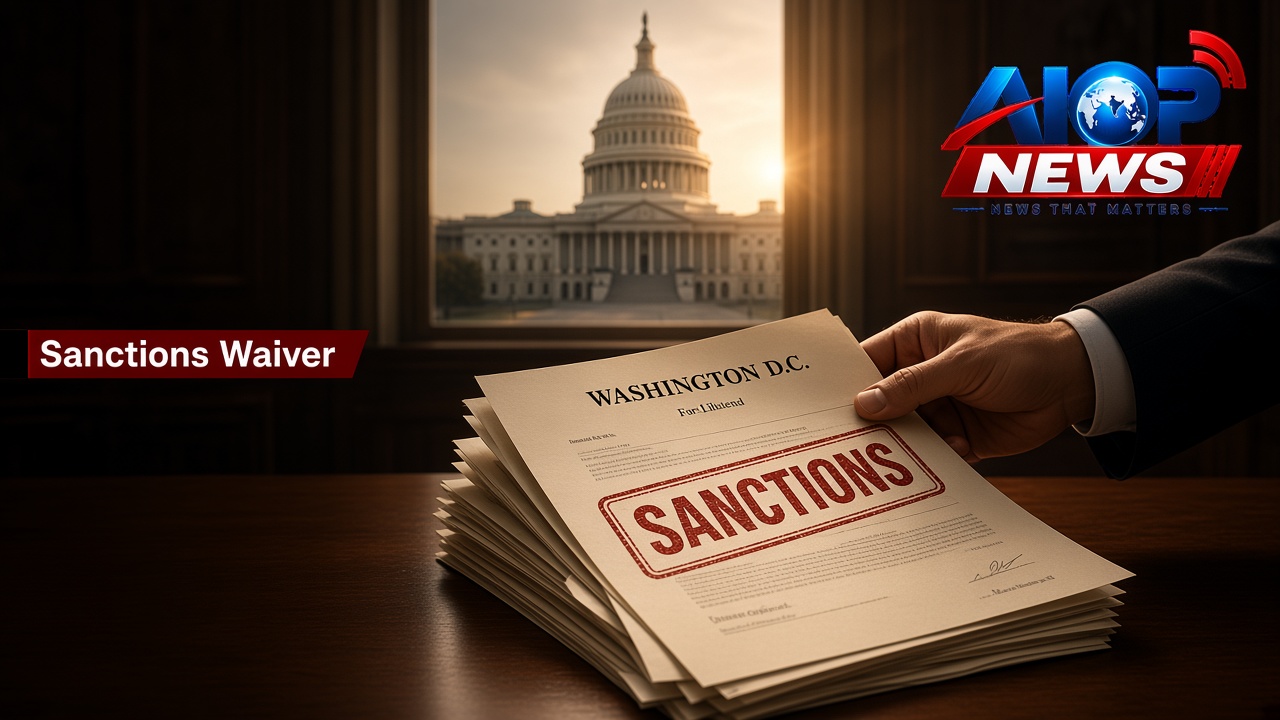
In a significant foreign policy development, Donald Trump has opted to waive several sanctions against Russia as new United States legislation officially takes effect. The newly enacted law includes various provisions intended to punish Moscow for its war against Ukraine. However, executive waivers were exercised after Trump asserted that key elements of the legislation run counter to US national interests.
The decision highlights an ongoing strategic debate over foreign policy, sanctions enforcement, and national economic security. While Congress enacted measures to isolate Moscow and penalize its military actions in Ukraine, the executive branch maintains that flexibility is necessary to protect core national priorities.
Balancing Legislation and National Interests
The implementation of the new US law brings a fresh wave of measures designed to hold Russia accountable for its continued war against Ukraine. The broad legislation contains multiple mechanisms intended to apply pressure on Moscow through targeted economic and diplomatic restrictions.
Despite the intended scope of the law, Donald Trump exercised presidential authority to issue waivers on specific sanction provisions. According to official statements, parts of the new sanctions framework were determined to be contrary to US national interests, leading to the decision to withhold their full application.
This executive intervention reflects a calculated approach to foreign policy, balancing legislative mandates with executive discretion. By waiving selected restrictions, the administration seeks to avoid potential unintended consequences that could impact broader American strategic goals or diplomatic flexibility on the world stage.
Broader Impacts on Foreign Policy
The decision to waive select measures arrives at a delicate moment for global diplomacy. Observers in International news and diplomatic circles closely monitor how US sanctions policies shape international trade, global security, and bilateral relations with both allies and adversaries.
Sanctions have long served as one of the primary non-military mechanisms for exerting pressure on nations involved in international conflicts. However, the application of comprehensive economic penalties often carries complex trade-offs. The decision to waive specific sanctions underscores the challenges policymakers face when trying to penalize foreign adversaries while minimizing disruption to domestic interests and international partnerships.
As reported by BBC News, the presidential position hinges on the argument that enforcing every provision of the newly enacted legislation would ultimately harm US strategic interests rather than advance them.
Reevaluating Sanctions Strategies Against Moscow
The punitive framework enacted by lawmakers was originally formulated to increase economic pressure on Moscow in response to its military actions against Ukraine. The ongoing war in Ukraine has triggered extensive international condemnation, leading to a complex matrix of global sanctions targeting various sectors of Russia's economy.
Yet, the debate over how best to deploy economic leverage remains active. Critics of rigid sanctions often argue that inflexible mandates can reduce administrative maneuverability during diplomatic discussions. On the other hand, proponents of uncompromising enforcement maintain that waiving penalties risks softening the international stance against Moscow's aggression.
By issuing these waivers as the new law takes effect, the administration has signaled that national interest considerations will take precedence in determining how penal measures are carried out in practice.
Conclusion
The enactment of the new US law, accompanied by targeted presidential waivers, illustrates the complex intersection of legislative action and executive authority in foreign policy. While the law officially aims to punish Moscow for its war against Ukraine, the decision to waive key sanctions highlights the ongoing effort to align economic penalties with national strategic priorities. As the situation evolves, international observers will remain focused on how these policy adjustments influence global diplomatic efforts and economic stability moving forward.