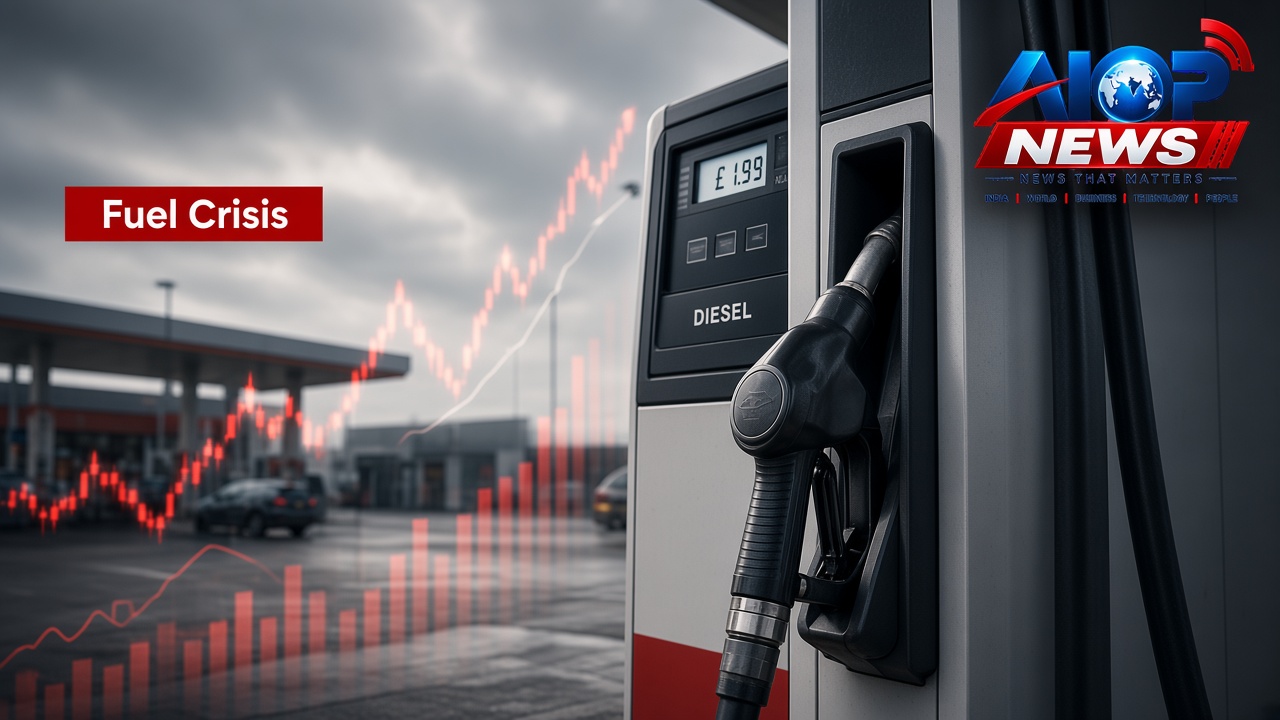
The Unprecedented Surge in UK Diesel Costs
In recent weeks, motorists and logistics companies across the United Kingdom have been met with a sobering reality at the forecourts: diesel prices have officially hit an all-time high. This surge has sent ripples through the national economy, straining household budgets and increasing overheads for industries reliant on heavy transport.
While fuel price fluctuations are common, the current trajectory is historic. According to data from motoring organizations, the average price of a liter of diesel has surpassed previous records set during the 2022 energy crisis. To understand why this is happening now, we must look at a complex intersection of global politics, currency volatility, and supply chain constraints.
The Impact of Geopolitical Instability
One of the primary drivers behind the escalating costs is the continued instability in global energy markets. Historically, Europe—and the UK in particular—relied heavily on refined diesel imports from Russia. Following the geopolitical shifts and subsequent sanctions resulting from the conflict in Ukraine, the supply chain for diesel has had to be entirely rerouted.
Sourcing diesel from alternative suppliers in the Middle East and the United States often involves higher shipping costs and longer transit times. This friction in the energy market naturally pushes the wholesale price upward, which is eventually passed down to the consumer at the pump.
Currency Fluctuations: The Weakness of the Pound
A significant factor that often goes overlooked by the general public is the role of currency exchange. Crude oil and refined petroleum products are traded globally in US Dollars. Therefore, the strength of the British Pound (GBP) against the Dollar (USD) is crucial for domestic pricing.
When the Pound is weak, it becomes more expensive for UK wholesalers to purchase fuel on the international market. Even if global crude oil prices remain relatively stable, a dip in the value of Sterling can cause prices at UK petrol stations to spike. This currency-led inflation has been a persistent challenge for the UK economy over the past fiscal year.
Refining Capacity and Seasonal Demand
It is also important to distinguish why diesel is currently more expensive than petrol. Diesel is not only used for transport but is also a critical component for industrial heating and power generation in many parts of the world. During periods of high industrial demand or when refining capacity is limited, diesel prices tend to decouple from petrol prices.
Global refining capacity has struggled to keep pace with the post-pandemic recovery. Several major refineries in Europe and the US have closed or transitioned to biofuels, leaving the market with less flexibility to handle sudden spikes in demand.
The Ripple Effect on the UK Business Landscape
The record-high diesel prices are doing more than just hurting commuters; they are a major driver of wider inflation. Because the vast majority of goods in the UK are transported by diesel-powered HGVs, the increased cost of fuel is directly reflected in the price of groceries and consumer goods.
For more deep dives into how these trends are affecting corporate strategy and market stability, you can explore our latest reports in the Business section. Companies in the logistics and manufacturing sectors are currently grappling with whether to absorb these costs or pass them on to consumers, further complicating the UK's battle against the cost-of-living crisis.
Concluding Summary
The journey to an all-time high for UK diesel prices is the result of a "perfect storm" of factors. From the necessity of finding new fuel suppliers amidst geopolitical conflict to the persistent pressure of a fluctuating exchange rate, the path to price stabilization remains uncertain. While government interventions and fuel duty freezes offer some relief, the core drivers remain tied to volatile international markets.
As the winter months approach, analysts will be watching the global demand for heating oil closely, as this could place further upward pressure on diesel prices. For now, motorists and businesses alike must navigate a landscape of high costs and economic unpredictability.
Source: BBC News